
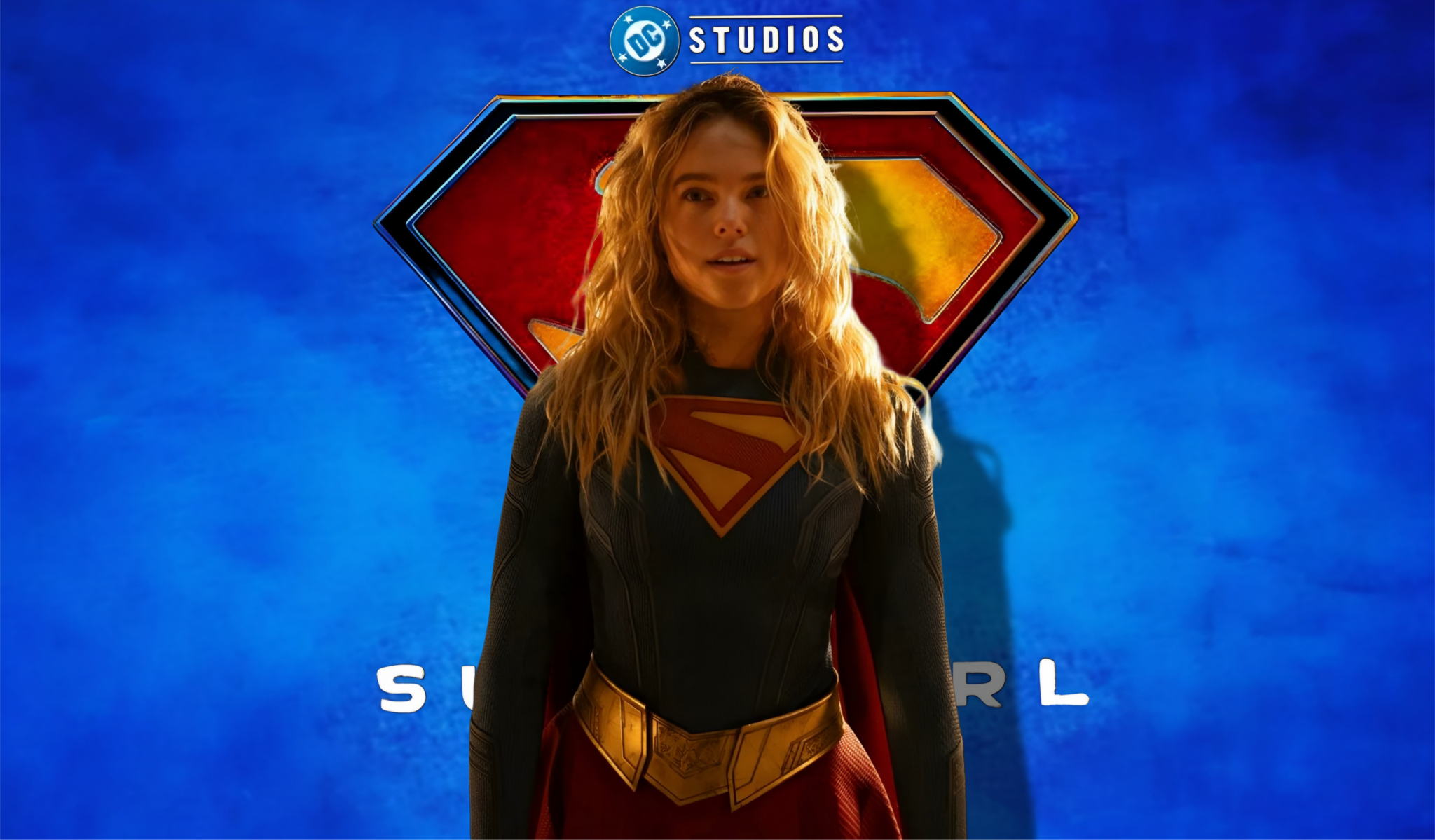
Supergirl Under James Gunn Shaping the Next Era of DCU
James Gunn’s upcoming Supergirl has quickly become one of the most talked‑about projects in the new DCU slate, and the conversation around it is as intense as it is diverse. Across Reddit threads, Twitter debates, Facebook groups, and fan forums, expectations are running high because Gunn’s reputation for reshaping comic book properties precedes him. Fans are eager to see how Supergirl will be positioned in a universe that is being rebuilt from the ground up, and whether she will finally step out of Superman’s shadow to claim her own cinematic identity. The introduction of Milly Alcock in the lead role has only amplified the buzz, with many praising her breakout performances and believing she can bring both vulnerability and strength to a character often caught between hope and trauma. Gunn’s public endorsement of Alcock as one of the best casting decisions he has made has raised anticipation even further, but it has also set a very high bar for delivery.
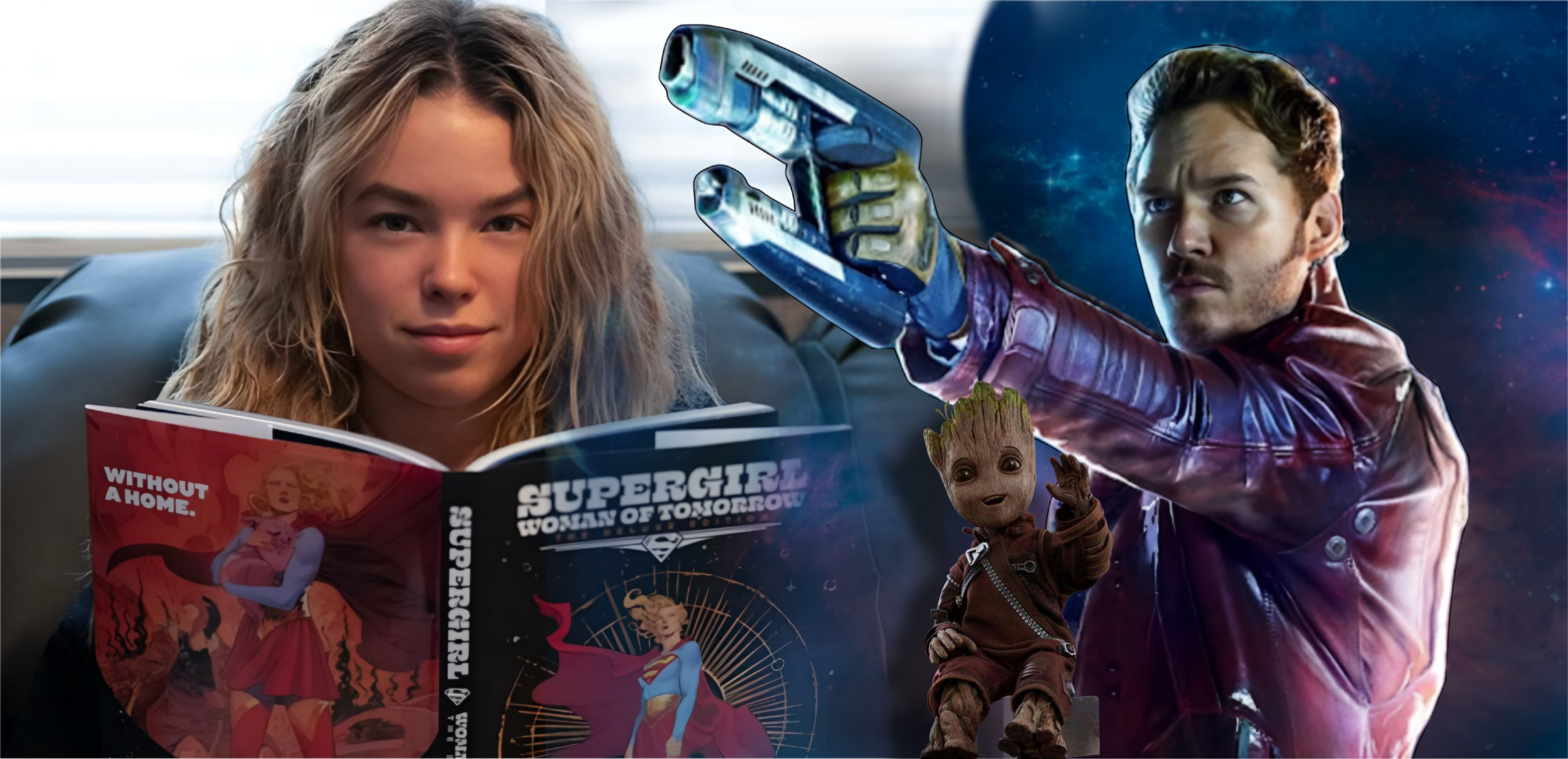
The tone of the film is another lightning rod for discussion. The trailer’s use of Blondie’s “Call Me” alongside cosmic visuals and irreverent humor immediately drew comparisons to Gunn’s Guardians of the Galaxy, sparking debate about whether this represents creative evolution or a recycling of familiar tricks. Supporters argue that Supergirl’s story, rooted in interstellar trauma and the sweeping visuals of Tom King’s Woman of Tomorrow comic, is perfectly suited to a vibrant, space‑fantasy approach.
They see this as a chance to distinguish Supergirl from Superman by giving her a mythic, genre‑blending journey that thrives on boldness and spectacle. However from many critics worry that leaning too heavily into irreverence risks undermining Supergirl’s traditional role as a beacon of hope. Some fans fear a drift toward cynicism and nihilism, concerned that the warmth and optimism associated with the character, especially from the CW series, could be lost in translation.
One of the loudest criticisms is the fear of overreliance on Gunn’s signature style, with detractors worried the movie could feel like a “Guardians of the Galaxy clone” recycling familiar humor, music cues, and ensemble dynamics rather than offering something distinct. This anxiety ties directly into a broader unease about tone, as fans debate whether Supergirl will lose her hopeful spirit and instead be reshaped into a cynical or edgy figure at the expense of inspiration. The inconsistency of tone is another concern, with speculation that the film might swing between irreverent comedy and dark drama, leaving both comic purists and general audiences alienated. Adding to this, some argue that the adaptation of Tom King’s Woman of Tomorrow risks being surface‑level, cherry‑picking plot points while neglecting the comic’s unique visual and thematic identity, which many consider essential to making Supergirl stand apart from Superman’s mythos.
Other concerns focus on the film’s villains, marketing, and box office prospects. Early test screenings have suggested that Krem of the Yellow Hills, the antagonist, may lack the depth or menace needed to elevate the story, raising fears of an underwhelming conflict. Marketing choices have also drawn criticism, particularly the “Truth. Justice. Whatever” tagline, which some interpret as dismissive or try‑hard, undermining the inspirational tone fans expect from Supergirl. The muted color palette seen in promotional material has been labeled visually dull, further fueling skepticism about whether the film will stand out in a crowded superhero market.
Finally, box office risks major concerns, especially in the wake of Superman’s underperformance and the broader fatigue surrounding comic book movies. For many fans, the stakes are clear: Supergirl must deliver a film that balances Gunn’s creative flair with the character’s legacy of hope, or risk becoming another casualty of superhero oversaturation. The conversation reflects both anticipation and apprehension, with audiences waiting to see if Gunn can prove that Supergirl is more than just another cosmic experiment in the DCU.
“It’s been an extraordinary experience so far.” – James Gunn at DCU Press Event 2025
During a DCU press event in early 2025, James Gunn described working on Supergirl: Woman of Tomorrow as “an extraordinary experience”, emphasizing how excited he was about the project’s development. He added, “Yeah, I think we’re midway through production now of Supergirl. It’s so scary every time I say it, but it’s been an extraordinary experience so far.” He also praised screenwriter Ana Nogueira, saying, “Ana turned in a marvelous first script that just kept getting better. She’s been a blessing, and Craig Gillespie was a dream for me.”
Another strongest expectations surrounding Supergirl: Woman of Tomorrow is that the film will remain faithful to the emotional depth of Tom King’s comic. Audiences keep pushing for more character-driven storytelling, that doesn’t shy away from Kara’s trauma, her complicated past, and the moral dilemmas she faces on her journey. The relationship between Kara and Ruthye, the young girl who joins her on a revenge quest, is seen as the emotional core of the narrative. Many believe this dynamic could provide the kind of layered storytelling that distinguishes Supergirl from Superman, offering a more complex and raw exploration of Kryptonian survival. The cosmic settings and mythic scope of the comic are also considered essential, with fans hoping the film will capture both the grandeur of space and the intimate struggles of its heroine. The fear, however, is that the adaptation might dilute these themes, simplifying Kara’s arc into a generic superhero plot or sacrificing her growth for the sake of DCU setup.
The question of DCU connectivity grows bigger, particularly with the anticipated appearance of David Corenswet Superman. Reports suggest he may feature in a Kryptonian‑language scene, and fans are eager to see how this interaction will highlight the cousins’ shared heritage while also underscoring their differences. Kara’s harsher upbringing and more fractured emotional state could serve as a compelling contrast to Superman’s more hopeful persona, creating a dynamic that enriches both characters.
Optimists see this as an opportunity for organic storytelling, where the crossover enhances Kara’s journey rather than detracts from it. Yet skepticism remains strong. Some worry that Superman’s presence could feel forced, a cameo designed to remind audiences of the larger DCU rather than deepen Supergirl’s narrative.
The balance between meaningful character exploration and franchise building is delicate, and fans are wary of Gunn tipping too far toward spectacle at the expense of intimacy.
Ultimately, the anticipation for Supergirl: Woman of Tomorrow reflects the high stakes of the DCU reboot. Fans want a film that honors the comic’s emotional resonance while giving Kara Zor‑El the cinematic spotlight she has long deserved. Concerns about tone, adaptation fidelity, and DCU distractions are real, but they coexist with genuine excitement about Milly Alcock’s casting and Gunn’s creative leadership. If the film can deliver a story that blends cosmic adventure with heartfelt character work, it could redefine Supergirl for a new generation and establish her as a cornerstone of the DCU. The challenge lies in striking that balance—between hope and trauma, spectacle and intimacy, legacy and reinvention. Fans are watching closely, and their expectations make clear that this isn’t just another superhero movie, it’s a test of whether the DCU can truly evolve.
Expectation from previous Supergirl
Looking at how Supergirl has been portrayed in the past helps frame the expectations for Milly Alcock’s upcoming version. Melissa Benoist on the CW series is remembered for its optimism, inclusivity, and the emphasis on found family. Her portrayal leaned heavily into hope and resilience, giving audiences a character who inspired through compassion and perseverance. While some critics felt the show’s optimism became simplistic or uneven in later seasons, Benoist’s Supergirl left a lasting impression as a symbol of light in modern superhero storytelling. That legacy of hope is something fans expect to see carried forward, even as the new film explores darker and more complex themes.
By contrast, Sasha Calle brief appearance in The Flash offered a very different take. Her darker costume and storyline rooted in sacrifice gave her a powerful presence, but the limited screen time left audiences wanting more. Calle’s version was praised for intensity and grit, yet criticized for being overshadowed by the chaotic narrative of the film.
Helen Slater 1984 Supergirl sits in another category altogether, remembered with nostalgia but often dismissed as campy and lacking depth. Each of these portrayals has contributed something to the character’s cultural identity, but none have fully captured the balance of trauma, resilience, and hope that fans believe Alcock’s version could achieve.
Milly Alcock’s Supergirl is being positioned as a synthesis of these past interpretations, combining Calle’s grit and trauma with Benoist’s legacy of hope, while filtered through a modern, cosmic lens. Early reports suggest a return to the classic skirt and boots, a choice seen as both homage and reinvention.
This design, paired with a narrative that emphasizes emotional complexity and a survivor’s perspective, could finally give Kara Zor‑El the cinematic depth she deserves.
Fans are watching closely to see if Alcock can embody a Supergirl who feels both mythic and human, a character who honors the past while carving out a bold new future in the DCU.