
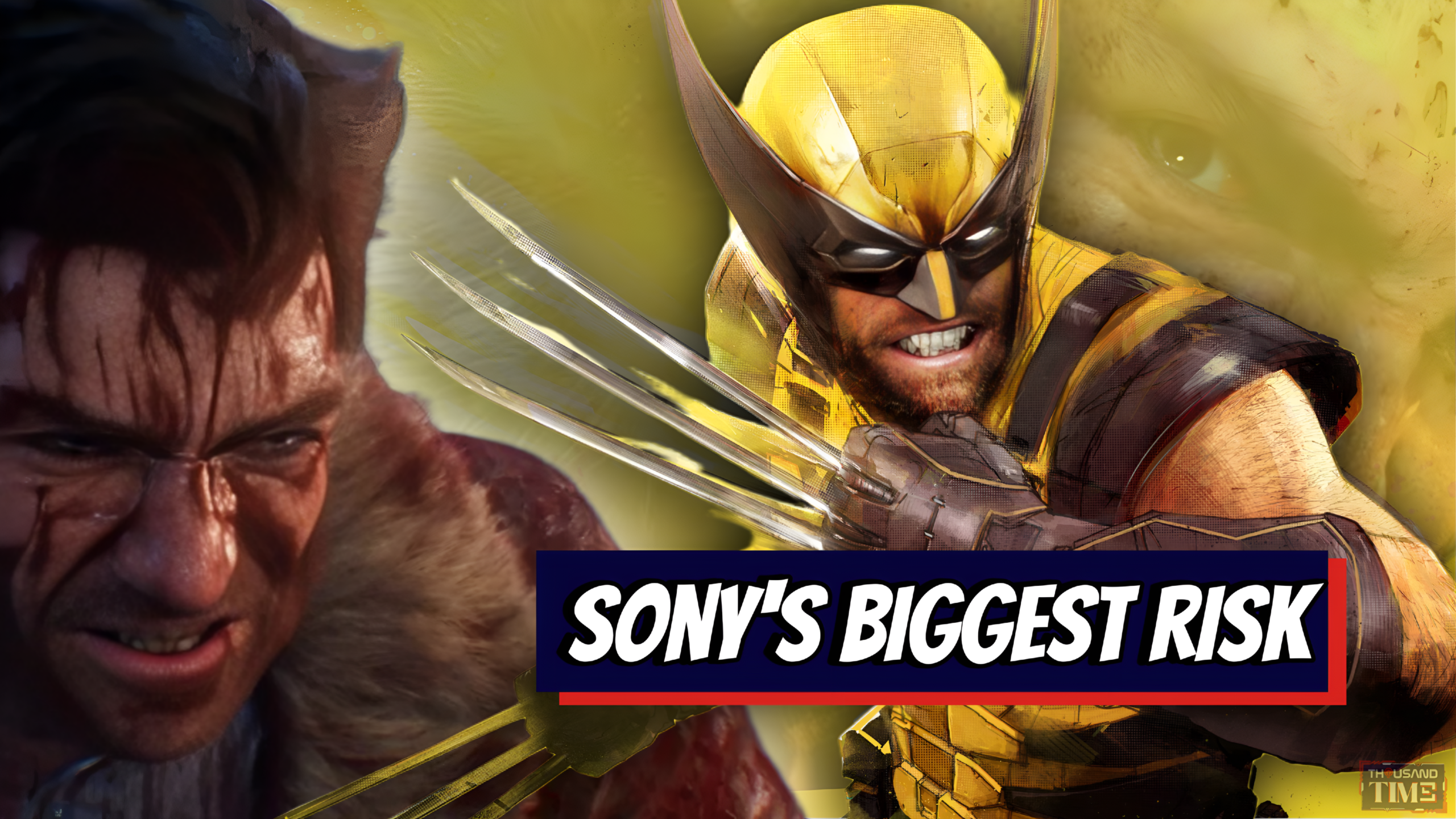
PlayStation’s $300 Million Gamble: Why Marvel’s Wolverine Changes Everything
Right now, the internet discourse surrounding superhero media sits at a fascinating tipping point. Previously, unchecked box office dominance ruled pop culture for more than a decade. However, widespread superhero fatigue heavily impacts the current theatrical release slate. As a result, consumers feel completely exhausted by the endless homework required to understand interconnected cinematic universes. Therefore, the interactive gaming industry has unexpectedly evolved into the primary frontier for comic book redemption. Fans hyper-focus on Insomniac Games’ next monumental move. Furthermore, they have turned away from the silver screen. Consequently, audience expectations have elevated to an absolute fever pitch.
Scheduled for release on September 15, 2026, Marvel’s Wolverine represents a definitive stress test. Specifically, it challenges PlayStation’s biggest and most reliable first-party studio on multiple layers. This project operates as a high-stakes gamble under unprecedented pressure. Meanwhile, the pop culture ecosystem shifts rapidly around it.
Stepping Into the Dark Arena
Historically, Insomniac Games built a reputation on colorful, kinetic adventures. For example, the studio created the family-friendly Ratchet & Clank series. In addition, they developed the universally beloved, T-rated Marvel’s Spider-Man franchise. However, the developer actively steps into a darker, bloodier, and infinitely more scrutinizing arena with this new title.
The underlying danger facing PlayStation and Insomniac is deeply layered. First, audiences fiercely demand an unapologetically brutal, Mature-rated interpretation of Logan. Secondly, the development team operates in the suffocating shadow of a massive 2023 studio data breach. Finally, the developers must navigate the treacherous “reskinned trap”.
Therefore, to truly understand this title’s weight, we must exhaustively dissect several intersecting forces. Specifically, market economics and community sentiment play massive roles in this narrative. Similarly, the psychology of modern fandom dictates financial strategies. Ultimately, this specific title carries the weight of an entire console generation.
Shattering the Financial Blockbuster Ceiling
The modern video game industry relies entirely on astronomical, ballooning budgets. Consequently, publishers face a relentless, unforgiving demand for massive returns on investment. The financial realities of modern AAA game development look staggering. Because of this, the numbers surrounding Marvel’s Wolverine paint a picture of extraordinary risk.
Leaked internal documents project the development budget for Marvel’s Wolverine at an estimated $305 million. To contextualize this enormous figure, we can look at the original Fox Wolverine movie trilogy. Specifically, those three theatrical films cost approximately $370 million combined. Therefore, recouping this massive initial investment requires moving millions of units at full retail price.
Historically, superhero video games rely heavily on an “Everyone 10+” or “Teen” rating. This strategy maximizes their addressable market perfectly. Furthermore, a safer rating ensures the widest possible consumer adoption. For instance, Insomniac’s own Marvel’s Spider-Man achieved over 9 million copies sold with profound speed. This success happened because younger demographics could easily access the game.
The Danger of the Mature Rating
However, the character of Wolverine possesses a fundamentally violent, blood-soaked mythology. As a result, a sanitized, family-friendly rating cannot authentically capture his core identity. The tension between creative authenticity and financial viability forms a major danger. Therefore, fully embracing an M-rating fundamentally tests the absolute ceiling of PlayStation’s mainstream blockbuster profitability.
PlayStation’s first-party lineup proves that M-rated games can achieve stratospheric commercial success. For example, franchises like God of War and The Last of Us moved tens of millions of units. Also, historical data shows M-rated games captured up to 27% of total industry revenues in certain windows. However, licensed superhero genres operate under entirely different traditional constraints.
If the studio pulls its punches to capture a safer T-rated demographic, they risk severe fandom backlash. Meanwhile, passionate fan communities demand a genuinely brutal combat experience. Across active platforms, discussions consistently point back to a specific 2009 title. Specifically, the X-Men Origins: Wolverine game remains the absolute gold standard for digital violence.
Proving the R-Rated Concept
The “Uncaged Edition” of that 2009 game featured graphic dismemberment and decapitations. In addition, it showcased a groundbreaking real-time flesh regeneration system. Despite tying into a critically panned film, the game became highly successful. Consequently, it serves as the explicit benchmark for Insomniac’s upcoming effort.
Furthermore, the recent theatrical success of Deadpool & Wolverine illustrates the financial complexities perfectly. Disney and Marvel Studios spent a staggering $533.7 million on the film’s production. However, the film grossed over $1.33 billion globally. As a result, it proved that mature comic book content can shatter financial ceilings.
Insomniac and Sony undoubtedly look at these cinematic figures closely. They view this massive movie success as proof of concept for their interactive investment. Meanwhile, the highly literate consumer base refuses to accept a compromised, PG-13 vision. Ultimately, fans consider a bloody, uncompromising game a non-negotiable requirement for their purchase.
A Catastrophic Studio Breach
No comprehensive analysis of this game feels complete without addressing December 2023. During this time, the Rhysida ransomware attack inflicted massive public relations damage. Specifically, the hacker group released over a terabyte of highly confidential data. Therefore, the psychological and operational impact on the studio cannot be overstated.
This breach prematurely exposed early builds and deeply guarded narrative secrets. For example, the hack revealed raw vertical gameplay slices and unpolished animation tests. Furthermore, character models for iconic X-Men figures like Mystique and Omega Red leaked publicly. Because of this, the studio faced immense psychological pressure.
In an entertainment industry fueled by carefully orchestrated hype cycles, Insomniac lost control. Hackers brutally robbed the studio of the ability to control their critical first impressions. Consequently, the development team must pivot and polish the game significantly. They must deliver a product that renders the 2023 footage completely unrecognizable.
The Decade-Long Exclusivity Deal
More critically, the hack unveiled a highly confidential, long-term licensing agreement. This explosive deal revealed that Wolverine acts as the first installment in an X-Men trilogy. Furthermore, the terms grant Sony exclusive rights to produce X-Men video games until 2035. As a result, Marvel’s Wolverine represents the foundational bedrock of Sony’s corporate narrative strategy.
If the dark narrative falls flat, excitement for subsequent X-Men titles will instantly evaporate. This failure would leave Sony tethered to a damaged franchise for another ten years. Therefore, the studio must deliver an experience that validates the intense pre-release hype. Ultimately, they must turn a catastrophic cybersecurity failure into a triumph of artistic resilience.
Following the leak, Insomniac released a stoic, emotionally resonant public statement. They adopted a resilient, “Logan-like” posture in the face of adversity. However, significant leadership shifts occurred within the project’s hierarchy shortly after. By October 2024, original creative director Brian Horton departed Insomniac entirely.
The Decade-Long Exclusivity Deal
Consequently, the core gameplay loop must radically shift away from the “Spider-Man formula”. Community feedback indicates a strong desire for a complete departure from traditional open-world maps. Instead, players explicitly ask for a focused “wide-linear” approach. They frequently cite the recent God of War reboots as the ideal structural template.
Fans want dense, highly detailed hub worlds where exploration feels deliberate and atmospheric. Furthermore, they demand meticulously curated combat encounters rather than dynamically generated street crimes. Wolverine traverses vastly different environments compared to Peter Parker. For example, the game features the neon-lit, criminal-infested streets of Madripoor.
In addition, players will explore the frozen, isolating Canadian wilderness and narrow Tokyo alleys. This environmental shift provides an unprecedented opportunity for the developers. Specifically, it allows them to showcase the PS5’s lighting and spatial audio in tight spaces. Ultimately, the game’s success hinges entirely on proving Insomniac is a versatile action studio.
Competing in a New Genre
By placing Logan in the seedy criminal underworld, the game taps into a demographic shift. Insomniac delivers a game that functions primarily as an M-rated action-thriller. Consequently, they completely bypass the traditional pitfalls of superhero fatigue. They are not competing directly with the latest struggling cinematic film.
Instead, they compete directly with prestige, narrative-heavy action games. They stand shoulder-to-shoulder with titans like Ghost of Tsushima and The Last of Us. If Sony succeeds here, they will prove the superhero genre isn’t dying at all. Rather, it simply migrates to an interactive medium that allows for unapologetic maturity.
This climate presents an unparalleled, potentially historic opportunity for PlayStation. The traditional film industry falters under the immense weight of interconnected ambitions. Therefore, Sony can aggressively position its console as the premium home for high-end Marvel experiences. Ultimately, they can rewire the economic expectations of licensed games forever.