Front Rows, Framerates, and Ambient AI: How the Galaxy S26 Ultra Became the Ultimate “Everything” Device
We’ve been living in the smartphone doldrums for a while now. You know the exact feeling: the annual autumn or spring keynotes roll around, a well-rehearsed executive stands in front of a massive LED screen to announce a slightly faster processor and a marginally brighter display, and the collective internet lets out a resounding, “Meh.” We are holding onto our glass rectangles longer than ever—often three or four years—because the upgrade cycle stopped feeling like a generational leap and started feeling like an expensive, mandatory subscription fee just to stay relevant.
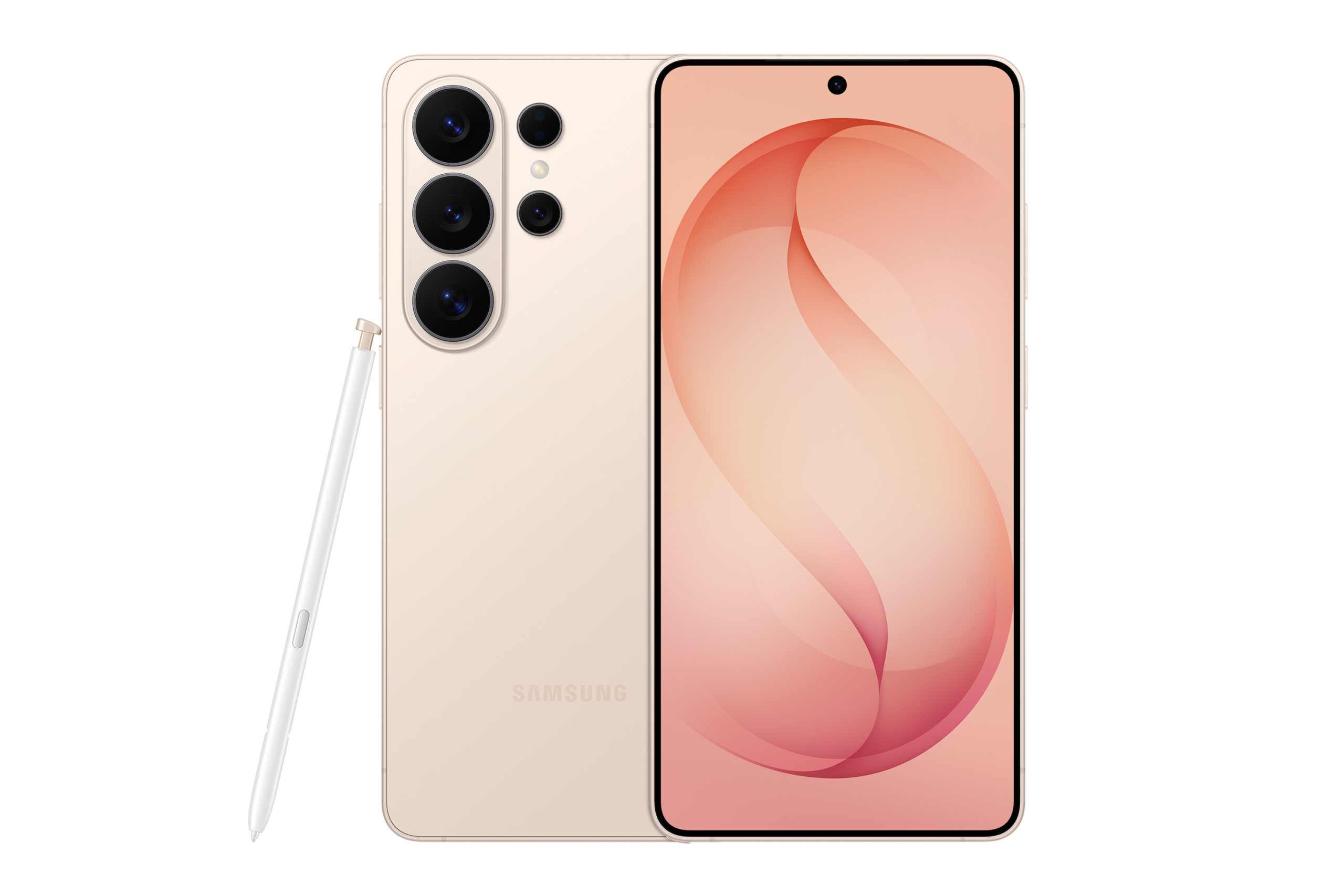
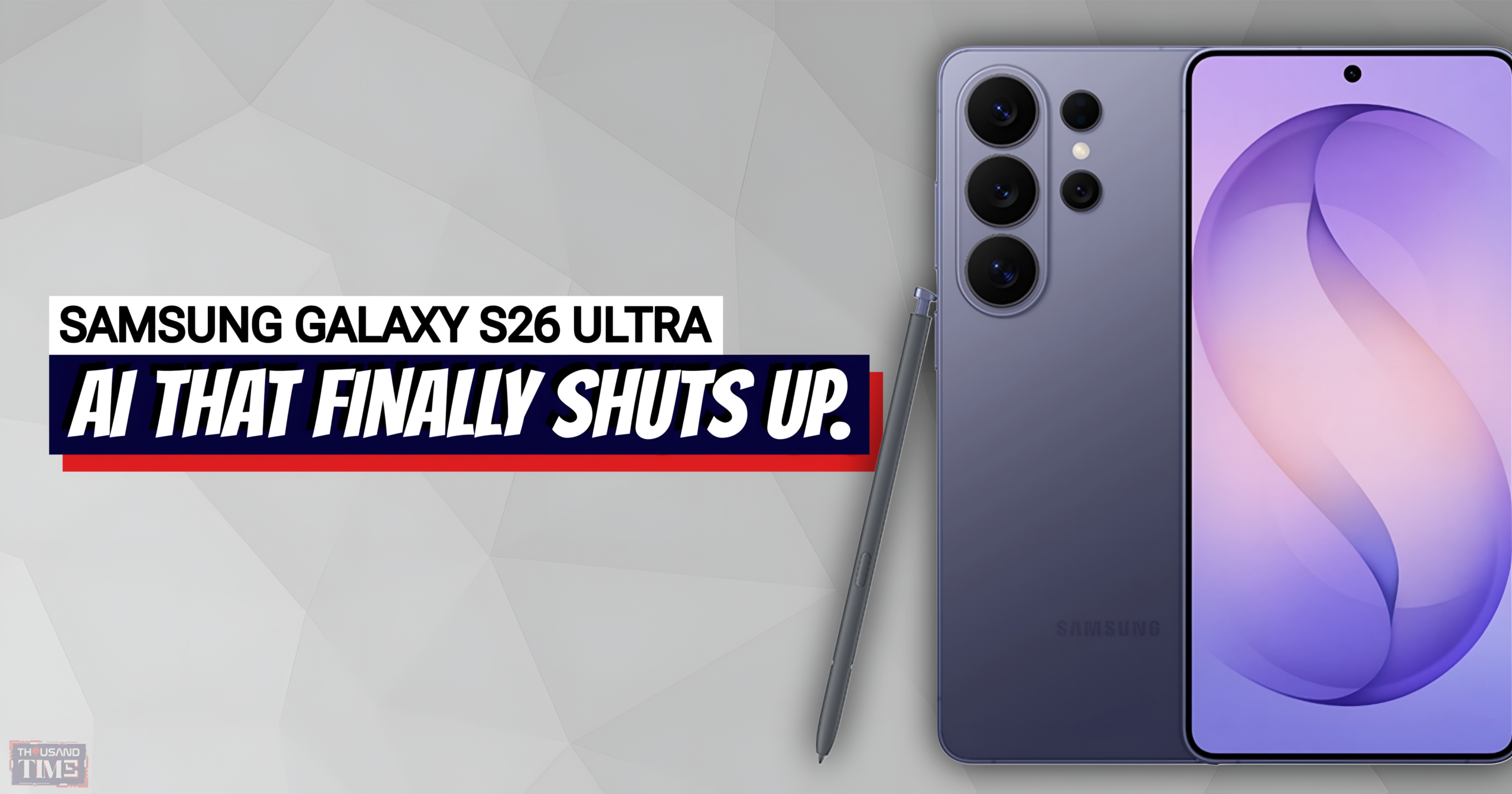
Enter the Samsung Galaxy S26 Ultra. It arrives not just with a laundry list of upgraded internals, but with a sharp, almost eerie understanding of what we actually do with these devices in 2026. Samsung seems to have realized that the average consumer doesn’t care about benchmark scores or floating-point operations anymore. We care about culture. We care about participation.
The S26 Ultra is built specifically for the three pillars of modern digital existence: the booming live entertainment economy, the normalization of high-end handheld gaming, and an AI experience that finally shuts up and just does its job.
Over the last few years, attending a massive live concert has mutated from an ephemeral, personal experience into a global broadcast event. Whether you’re standing in the pit at a global pop sensation’s world tour or packed into a massive K-pop arena show, the currency of the night isn’t just being there. It’s proving you were there, and doing it with a crystal-clear, envy-inducing POV video.
If you scroll through TikTok or X on any given weekend, you’ll immediately see that optical zoom has become literal social currency.
This is where the S26 Ultra transitions from a premium smartphone into the ultimate ‘stan’ weapon. Samsung has historically pushed the envelope on zoom lenses, but the S26 Ultra’s AI-stabilized super-telephoto setup fundamentally changes the math of concertgoing. It takes the shaky, blown-out, pixelated footage traditionally associated with section 400 and turns it into main-feed material. You can be sitting in the absolute highest nosebleeds, hundreds of feet away from the main stage, and still capture the reflection in a guitarist’s sunglasses
What this actually does is democratize the front-row experience. Historically, the best memories—and consequently, the best digital content—were gatekept by whoever had the disposable income to afford VIP tickets. By putting broadcast-quality, ultra-stabilized zoom in a pocketable device, Samsung is essentially collapsing the physical distance between the cheapest seats in the house and the stage. It changes how fans participate in the culture of live music, making every single ticket a potential front-row proxy.
The Handheld Console Killer
The line between a “mobile game” and a “real game” has been completely erased. We aren’t just swiping at brightly colored candy on the subway anymore; we are running massive, sprawling AAA titles and hyper-competitive esports natively on devices that fit in our front pockets.
Until very recently, if you wanted that uncompromised experience on the go, you needed a dedicated handheld PC. Those machines are undeniably great, but they are heavy, expensive, and require carrying a separate bag just to get them out of the house. The S26 Ultra makes a very aggressive, very intentional play to kill that secondary handheld market entirely.
The secret isn’t just the raw power of its silicon—though the hardware is absurdly capable, pushing mobile ray-tracing to a point where in-game reflections, shadows, and lighting rival what you would expect to see on a dedicated home console sitting beneath your television. The real hero here is the thermal architecture. Samsung has integrated an advanced vapor chamber cooling system that frankly defies physics for a device this thin.
Why does this matter? Because all the processing power in the world is entirely useless if the phone melts in your hands and begins stuttering after twenty minutes of play. The S26 Ultra can sustain peak graphical performance without aggressive thermal throttling. It lowers the barrier to entry for high-end gaming in a profound way. You no longer need to justify dropping hundreds of dollars on a bulky handheld console when your primary communication device can render the exact same heavy-duty digital environments without breaking a sweat. It fundamentally shifts where, when, and how we expect to play.
The “Invisible” AI Era
Let’s be completely honest with ourselves, the internet is suffering from a massive case of AI fatigue. For the past two years, every app, service, and operating system has forcefully jammed a chat-bot into our faces. We don’t necessarily want to have a philosophical conversation with our search engine, and we certainly don’t need a glowing orb interrupting our text threads to suggest a “more professional” way to tell our friends we are running late.
This is perhaps the S26 Ultra’s most brilliant cultural read: it makes AI invisible.
Instead of acting like a needy virtual assistant constantly begging for your attention and input, the AI on this device operates as a silent concierge. It is entirely ambient. When you are shooting that massive 8K fancam at a concert, or pushing the GPU to its absolute limits in a ray-traced boss fight, the battery should logically drain in less than an hour. But it doesn’t.
The phone’s AI is constantly working in the deep background, micromanaging power distribution across the cores, optimizing thermal loads, and processing complex image stabilization without ever once asking you for a prompt or popping up a chat window. This is what the actual maturity of AI looks like. It’s no longer a flashy parlor trick or an unpredictable text generator; it is the invisible glue holding the extreme capabilities of the device together. It’s a massive relief, really. We finally have a smartphone that is smart enough to just stay out of our way.
Should you consider buying it?
This device is entirely necessary if you are an active participant in modern digital culture rather than just a passive observer. If you regularly spend your weekends at stadium tours and want your digital memories to look like broadcast-quality footage, the AI-stabilized telephoto lens alone justifies the upgrade. It is also an absolute necessity for the mobile power-gamer. If you are tired of carrying a heavy, dedicated handheld PC in your backpack just to run AAA titles on a commute, the thermal vapor chamber and ray-tracing capabilities make the S26 Ultra a legitimate console replacement. Ultimately, it’s for the user who demands extreme performance but is deeply fatigued by the constant, intrusive prompts of early-era AI. If you want technology that does the heavy lifting silently, this is your machine.
However, this device is dramatic overkill for the casual scroller. If your daily digital diet consists mostly of swiping through video feeds on the couch, checking the weather, and answering the occasional group text, do not buy this phone. You simply do not need a liquid-cooled, ambient AI-driven, high-aperture culture engine just to read emails or snap a quick photo of your morning coffee. The massive performance overhead and advanced thermal management systems will be completely wasted on someone who never pushes their device past fifty percent of its capability. If you aren’t living in the extremes of mobile gaming or live-event documentation, a standard, mid-tier smartphone will serve you perfectly fine—and leave a lot more cash in your pocket.
Thousandtime Thoughts
For a long time, the tech industry was obsessed with telling us how a new phone could change our lives. The Galaxy S26 Ultra feels like the first time a company looked at how we already live and built a machine to simply keep up. It’s a subtle but massive shift in philosophy. We are a culture currently obsessed with capturing the fleeting moments of live events, sinking into deep, immersive digital worlds, and—crucially—doing it all without friction.
By mastering the stadium telephoto, eliminating the need for a secondary gaming console, and shoving AI into the background where it actually belongs, Samsung hasn’t just created a powerful piece of hardware. They’ve built an engine for modern digital culture. It proves that the most revolutionary technology isn’t the kind that forces you to learn a completely new behavior; it’s the kind that flawlessly amplifies the behaviors you already have.
PRODUCT IN THIS POST