
Tired of waiting for developers to fix unoptimized PC ports? Intel’s Core Ultra 200S Plus just took matters into its own hands by rewriting game code live in memory.
We have all been there. You drop seventy dollars on the latest blockbuster game, boot it up on a rig that costs more than your first car, and watch in quiet horror as the frame rate stutters during the opening cinematic. The era of the broken PC port has been agonizing, defined by a simple, infuriating reality: modern games are built for consoles first, and PC gamers are left to deal with the unoptimized wreckage. But with the release of the Core Ultra 200S Plus line, Intel has decided it is finally done waiting for developers to care.
While the aggressively low $299 price tag of the Core Ultra 7 270K Plus is understandably grabbing the breathless hardware headlines, the real story is buried entirely in the software. It is called the Binary Optimization Tool. Frame this not as a simple driver update or a background utility, but as a rogue, brute-force solution to an industry-wide crisis. Intel is essentially allowing your CPU to hack your games in real-time so they actually run the way they were supposed to.
Ghost in the Machine: How “Hot Rewriting” Actually Works
In a perfect world, a game sends a clean set of instructions to the CPU, which executes them flawlessly. But in the messy reality of modern PC gaming, code is often tangled, inefficient, and utterly confused by Intel’s hybrid architecture. Intel’s split between P-cores (performance) and E-cores (efficiency) is brilliant for multitasking, but games are notoriously single-minded. When a poorly optimized game engine accidentally hands a heavy physics calculation to a low-power E-core, the processor ends up waiting around for the instructions to untangle themselves. The result is that dreaded, immersive-breaking micro-stutter. The Binary Optimization Tool intercepts this failure before you even notice it.
Think of it as a real-time translator sitting between the game and the processor. It watches the incoming code. When it spots an instruction path that is going to choke on Intel’s specific architecture, it performs a “hot rewrite”—literally altering the game’s binary code in active memory to create a hyper-optimized pathway.
Because the tool caches these newly rewritten pathways, the heavy lifting only happens once. When the game asks for that same process a few milliseconds later, the optimized path is already waiting. Consequently, subsequent frame generation becomes significantly faster. The stuttering simply disappears. It is an incredibly aggressive approach to optimization: if the code is bad, the processor just writes better code on the fly.
The AMD Supremacy and Intel’s Breaking Point
Why take such a radical, highly complex step? Because Intel was losing the war of developer attention, and they knew it.
Look under the hood of a PlayStation 5 or an Xbox Series X, and you will find AMD architecture. This creates a massive gravitational pull for the entire gaming industry. The current consoles set the baseline for what a modern game looks and feels like. When a studio is crunching to meet an impossible holiday deadline, they naturally optimize their game engine for the hardware that dominates the console market first. PC optimization—and specifically, optimization for Intel’s unique hybrid architecture—becomes a secondary objective. Sometimes, it becomes an afterthought entirely.
For years, Intel tried to play nice. They pleaded with developers to utilize their Thread Director, a hardware scheduler designed to properly route game tasks to the correct cores. But developers, stretched thin and burned out, rarely had the time or resources to oblige. The Binary Optimization Tool is Intel’s breaking point.
Instead of begging software engineers to accommodate their hardware, Intel engineered a hardware solution that forces the software to comply. It is a massive, philosophical shift in the balance of power and how hardware manufacturers interact with software. Hardware manufacturers typically build the road and expect developers to build the cars. Intel just decided to start ripping out the engines and replacing them while the car is moving.
Anti-Cheat Panic and Latency Fears
Naturally, when a multinational corporation releases a tool that actively injects and alters game code in memory, the internet has some thoughts. The discourse across Reddit, X, and enthusiast forums has been a volatile mix of genuine awe and deep-seated paranoia. The loudest concern revolves around competitive gaming. Massive anti-cheat engines like Riot’s Vanguard or Epic’s Easy Anti-Cheat sit at the kernel level, fundamentally designed to detect exactly what the Binary Optimization Tool is doing: unauthorized memory manipulation. If a background tool is rewriting binaries while you hold an angle in Valorant, are you going to wake up to a permanent hardware ban?
Intel insists the tool operates safely at a system level that anti-cheat software understands, but trust in the PC community is earned, not given in a press release. Many players are keeping the tool firmly switched off until someone else takes the risk of being the canary in the coal mine. Then there is the persistent question of input lag. Surely, intercepting and translating code adds a penalty to system latency?
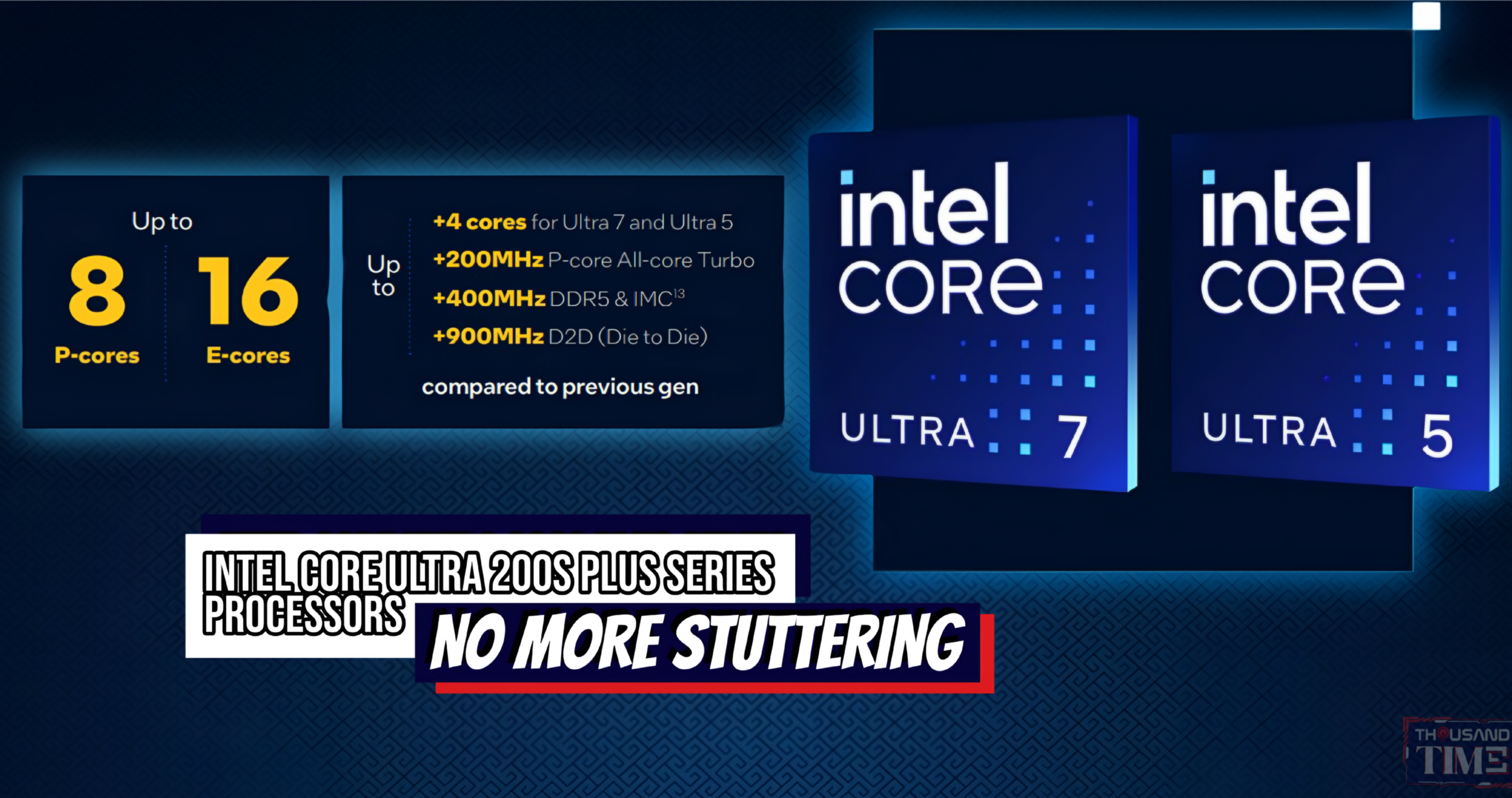
Early findings from tech-tubers and beta testers suggest this fear is largely overblown, thanks to a very deliberate hardware safety net. The Core Ultra 200S Plus features a massive 900MHz bump to its die-to-die interconnect. This dramatically speeds up communication between the CPU and memory controller, essentially offsetting any microscopic delay caused by the binary translation. The community remains split. Half view it as technological magic that finally justifies the price of a high-end rig. The other half view it as a dystopian disaster waiting to happen. But nobody is ignoring it.