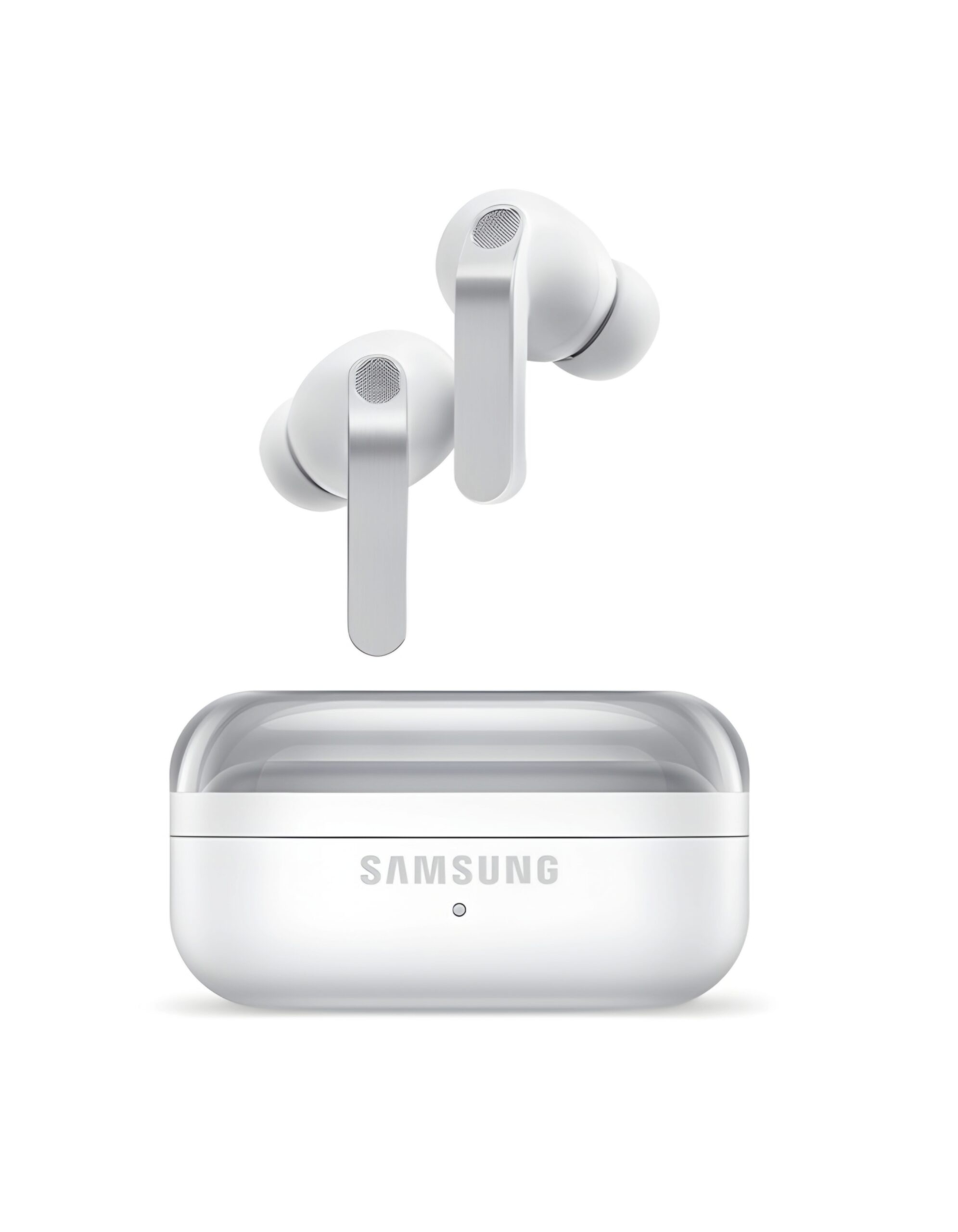
Samsung’s newest $249 earbuds sound incredible, but if you’re rocking a Pixel or Other phone, you’re quietly locked out of the features you actually paid for.
Historically, buying into Android meant buying into an open ecosystem. You picked the hardware you liked, the software you preferred, and you trusted that they would talk to each other. You didn’t expect your accessories to interrogate your phone’s brand before deciding how well they wanted to work.
But trying to use the galaxy buds 4 pro without a samsung phone reveals just how thoroughly that illusion has shattered.
Make no mistake, these are objectively remarkable pieces of hardware. Samsung has packed a 20% larger woofer, a dedicated tweeter, and bone-conduction mics into an incredibly comfortable, sleek stem design. They sound fantastic and fit beautifully. But buying premium earbuds in 2026 feels less like purchasing a consumer electronic and more like picking a corporate faction.
Samsung is aggressively, unapologetically following the Apple playbook. They built a fantastic $249 product, but they have soft-paywalled the most compelling features behind their own ecosystem. If you don’t own a Galaxy S26—or at least something running a modern version of One UI—you are essentially buying a sports car with a speed limiter installed at the factory.
Here is what you actually get, and what you quietly lose, when you cross ecosystem lines.
The Paywalled Audio: Missing the Samsung Seamless Codec
The primary selling point of the Galaxy Buds 4 Pro is their ability to deliver 24-bit/96kHz high-resolution audio. It is a massive technical achievement that pushes wireless listening remarkably close to studio-quality sound. it only works if you are using the Samsung Seamless Codec (SSC). And SSC only exists on Samsung devices.
If you pair the Buds 4 Pro with a Google Pixel 9, a OnePlus, or a Nothing Phone, they default to standard AAC or SBC Bluetooth codecs. The high-res audio pipeline is immediately bottlenecked.
For many users, this degradation exists strictly on paper. If you stream your music exclusively through Spotify on a crowded subway commute, you are not going to notice the absence of 24-bit audio. The ambient noise of the city and the compression of the streaming service will mask any lost fidelity. The hardware alone—those dual amplifiers and excellent 2-way speakers—still delivers a warm, punchy, and controlled sound profile.
But if you are a Tidal subscriber or an Apple Music user paying for lossless tracks, the hardware nerf is palpable. You simply cannot push the data required for high-res audio through a standard AAC connection.
The issue here is not just acoustic; it is philosophical. The principle of nerfing a $249 product for buyers outside your immediate ecosystem is what actually stings. You are paying the premium price tag for the hardware, but you are not allowed to use the software that makes it special.
Quality of Life Sacrifices: Auto Switch, Auracast, and Spatial Audio
The audio codec is just the beginning. The deeper you go into the spec sheet, the more you realize that the “smart” features of the Buds 4 Pro are explicitly designed to keep you inside the Galaxy walls.
Take Auto Switch, for example. In the Samsung ecosystem, this feature feels like magic. You can be watching a video on your Galaxy Tab, receive a phone call on your Galaxy S26, and the earbuds will instantly route the audio to the phone without you touching a single setting. It is frictionless.
Try to replicate that experience between a Pixel phone and a Windows PC, and the magic evaporates. You are reduced to manually disconnecting and reconnecting through Bluetooth menus like it is 2018. The same isolation applies to 360 Audio with head tracking. The spatial audio feature, which anchors the soundstage to the position of your screen, is entirely walled off as a Samsung exclusive.
Advanced Auracast broadcasting—a feature meant to universally share audio streams with people around you—is similarly restricted in its full functionality unless initiated from a Galaxy device.
To be fair, Samsung does not lock you out completely. Basic Active Noise Cancellation (ANC) and transparency modes still work beautifully via the Galaxy Wearable app on Android. You can customize your EQ, update the firmware, and tweak the touch controls.
But the connective tissue—the quality-of-life features that separate a good pair of earbuds from a truly modern smart accessory—is severed the second you leave One UI.
Who Should Actually Buy Them?
Evaluating the Galaxy Buds 4 Pro requires a cold, hard look at the device currently sitting in your pocket. If you own a modern Samsung Galaxy phone, these are a definitive, easy “Yes.” They are the best earbuds the company has ever made, and the integration with One UI is virtually flawless. The 24-bit audio is stunning, the ANC is top-tier, and the ecosystem cohesion rivals AirPods.
If you own a Google Pixel, a Nothing Phone, or a OnePlus, they are a “Pass.” It is difficult to recommend spending $249 on a product that actively restricts its own capabilities based on your phone’s logo. Your money is vastly better spent on brand-agnostic audio hardware that treats all Android phones equally. The Sony WF-1000XM5 remains the gold standard for universal Android compatibility, offering LDAC high-res audio that works flawlessly across the platform. The Nothing Ear is a brilliant, slightly cheaper alternative that also plays nice with everyone.
And if you own an iPhone? It is an “Absolute No.” There is no iOS companion app for the Buds 4 Pro whatsoever. You cannot even adjust the basic settings or update the firmware. We have reached a point where the hardware is no longer the product. The ecosystem is.
Thousandtime Thoughts
The concept of “Android vs. Apple” is dead. We are no longer living in a binary tech world. We are living in an era of micro-monopolies: it is iOS vs. Samsung vs. Google vs. everyone else.
The fragmentation of the Android audio market is the quietest, most successful enclosure of a walled garden in recent tech history. The open standards that once defined the platform are being replaced by proprietary codecs and exclusive software handshakes. Companies are realizing that the easiest way to ensure brand loyalty isn’t necessarily to build a better phone, but to make leaving the ecosystem too annoying to consider.
When you buy brand-specific earbuds today, you aren’t just buying audio gear. You are signing a subtle contract that dictates your next smartphone upgrade. It forces a difficult question for consumers: Are we entering an era where buying third-party, brand-agnostic audio from companies like Sony or Sennheiser is the only way to actually own your tech?
PRODUCT IN THIS POST