

Why 2026 Is the Year of Emotional Gut Punches? Griefcore in anime Explained.
Anime has always had room for sadness. We’ve cried with Clannad, felt the weight of Your Lie in April, and wrestled with the existential dread of Evangelion. But 2026 feels somewhat different. This year’s lineup isn’t just sad, it’s heavy and raw. It’s what fans are starting to call Griefcore, that anime doesn’t just tug at your heartstrings, it could rip them out and ask you to sit with the pain.
Griefcore isn’t about melodrama or cheap tears. It’s about stories that feel awkwardly real, even when wrapped in a fantasy theme. These shows don’t just let you escape grief , they make you confront the griefs.
What makes Griefcore different?
There is Mortality front and center that explains Death isnt just a plot twist, thus it is the core of narrative, there also Emotional Realism, that explains Characters process loss in ways that feel true to life, it is slow, messy, unresolved.
This isn’t about asking how strong the character is. It’s about asking how much loss and burden they can carry.
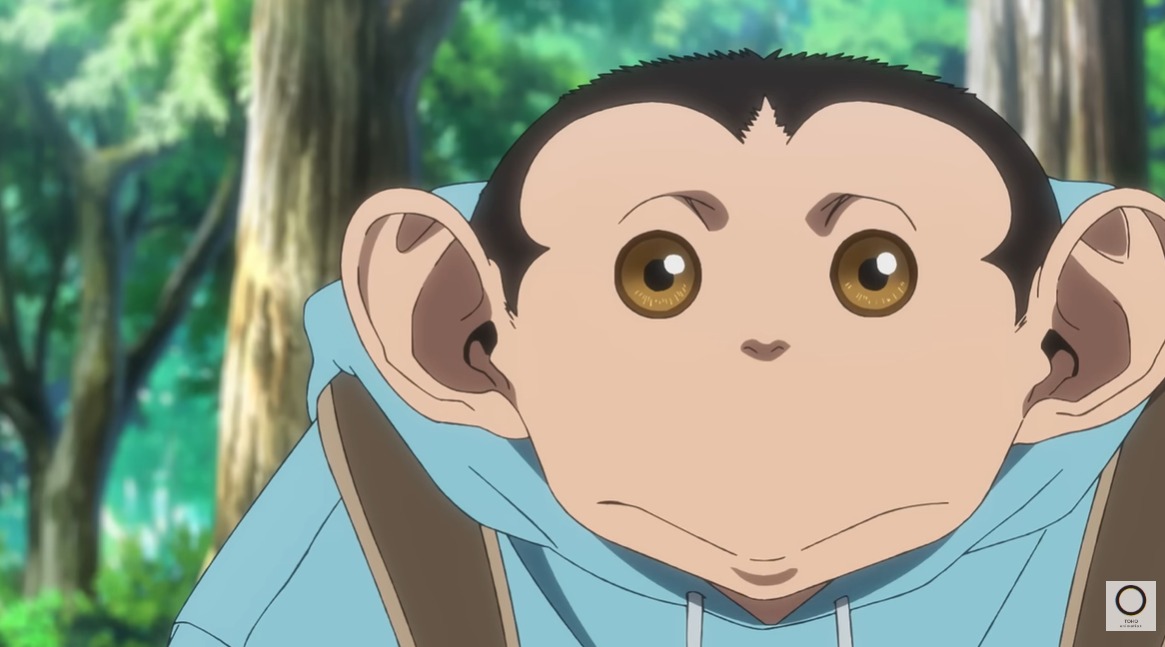
Take Darwin Incident , The story about a hybrid outsider that caught between activism and alienation. But beneath the surface, It’s about the pain of feeling like you don’t fit in anywhere, “Why im even exists anyway?” The series doesn’t just show us a character fighting for survival, it will forces us to sit with the loneliness of being different in a world that doesn’t want you. That’s the essence of Griefcore, it’s all about emotional realism.
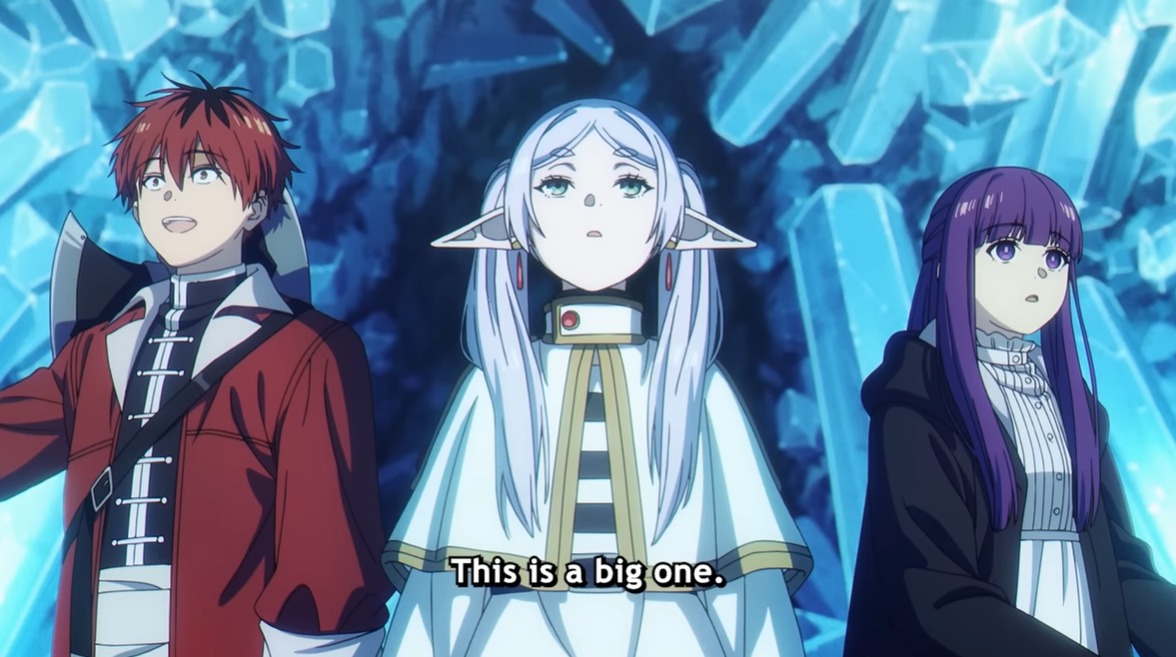
This goes the same with Frieren: Beyond Journey’s End. Frieren’s journey isn’t only about defeating monsters or saving kingdoms. It’s about the crushing loneliness of outliving everyone she loves. Watching her walk through centuries of memories, carrying grief that never fades, felt less like fantasy and more like a reflection of our own struggles with loss.
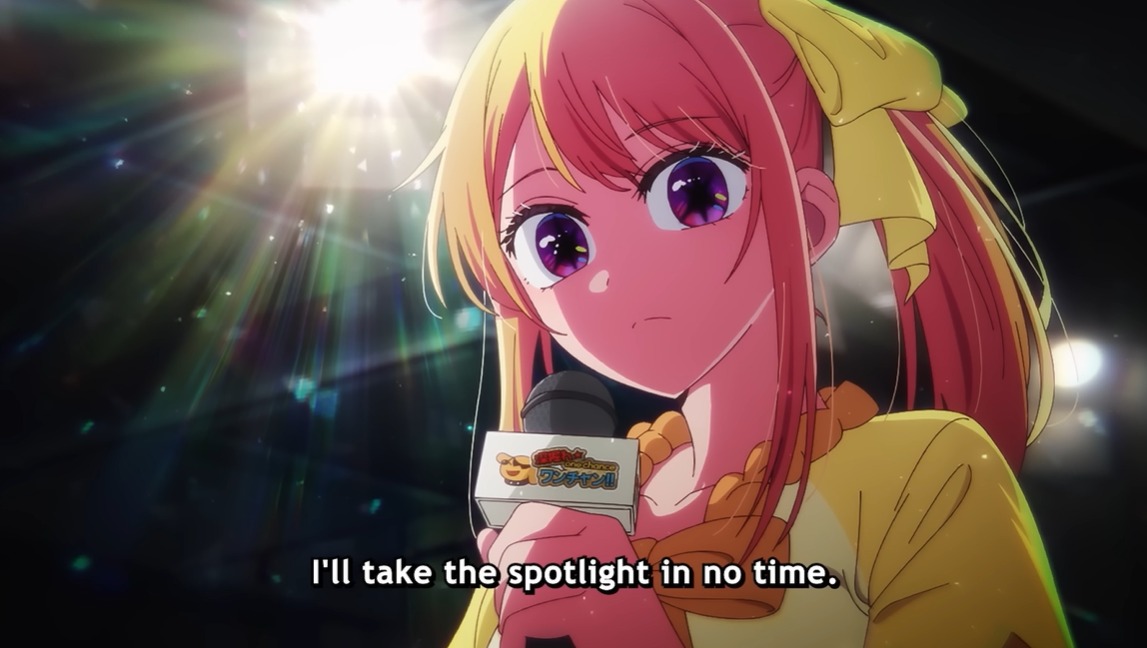
Then there’s Oshi no Ko, which continues to peel back the glittering surface of the idol industry. Fame and trauma collide in ways that feel brutally honest. The show doesn’t shy away from showing how exploitation leaves scars, and how chasing dreams in a system built to consume you can be devastating. It’s entertainment, yes, but it’s also a mirror held up to the darker side of ambition.
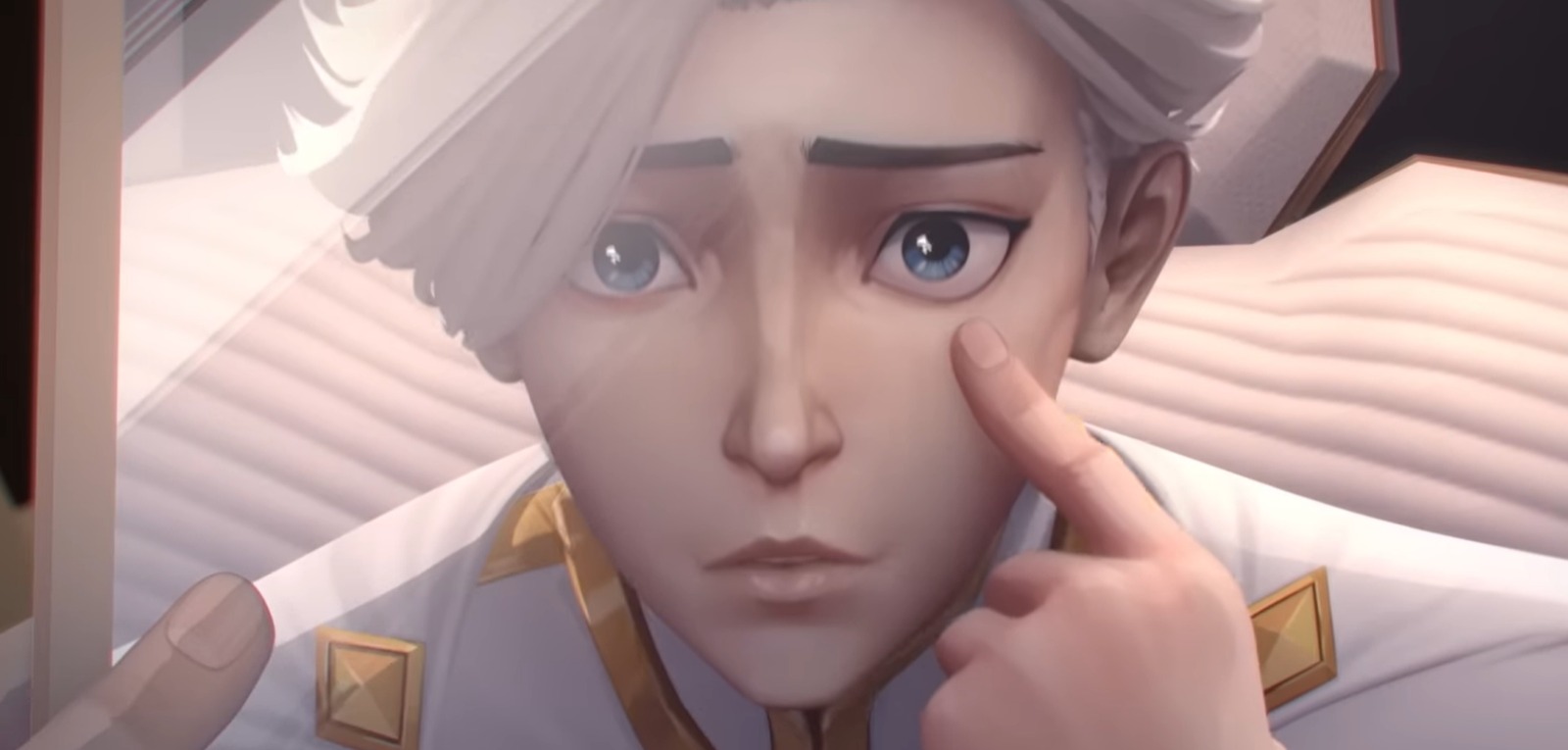
Even To Be Hero X, which disguises itself as absurdist comedy, ends up spiraling into existential dread. The laughter feels uneasy, the jokes sting, and before long you realize the humor is just a mask for despair. It’s grief disguised as comedy, and it hits harder than expected.
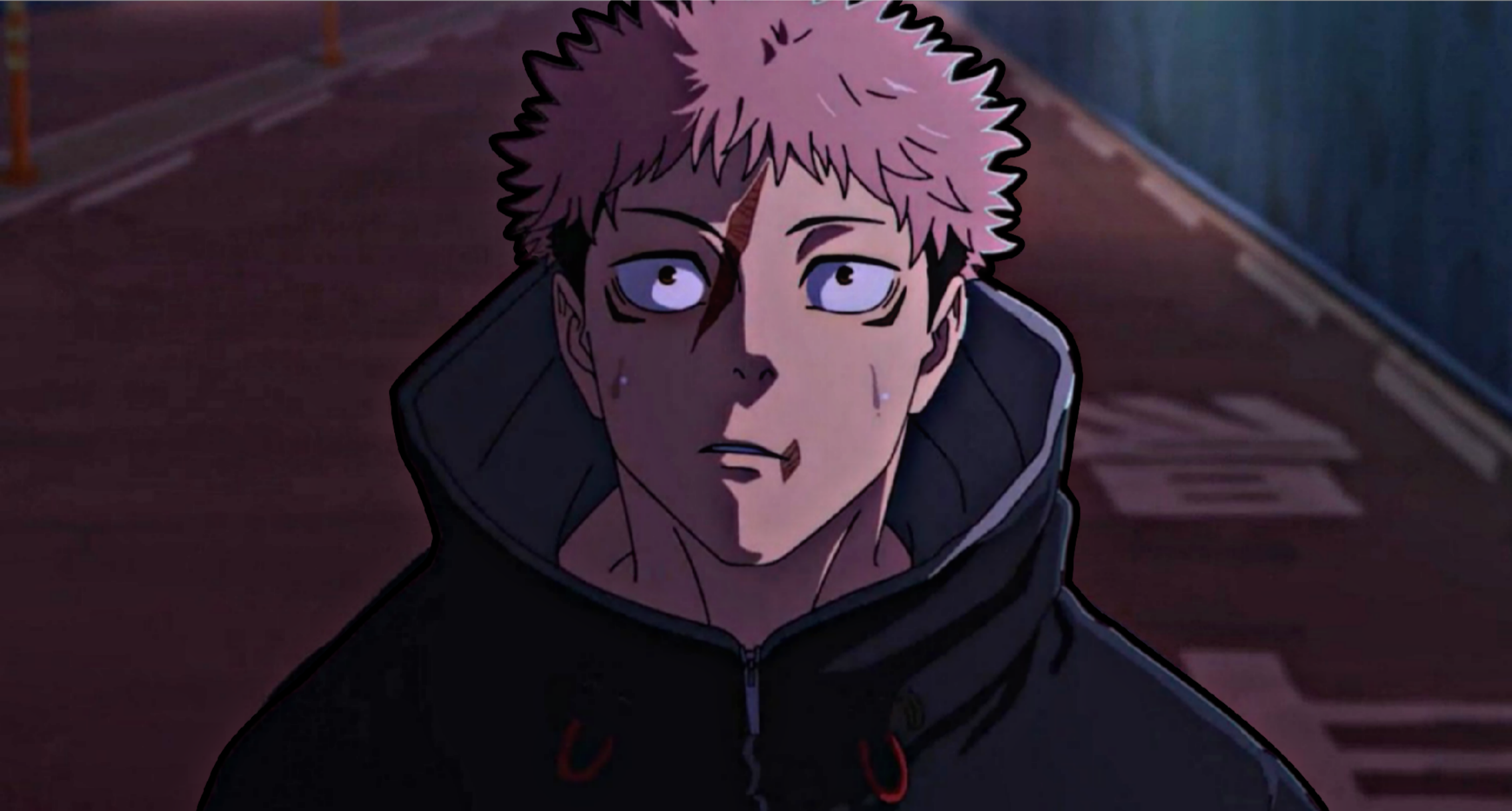
Ah also — we need to talk about Jujutsu Kaisen Season 3. Because if there’s one show that’s fully embraced the horror of grief, it’s this one. The Culling Game arc doesn’t just raise the stakes — it buries them. Yuji is still unraveling, walking through with guilt and grief, Megumi is spiraling, and Yuta come back with colder and more lethal than ever.
The violence is brutal and straightforward, but it’s the emotional fallout that lingers. Every fight feels like a funeral and also every victory feels like a loss. It’s not about who wins anymore. It’s about who’s still standing — and what they’ve had to give up to get there. Umm… yeah. That’s the kind of year it’s been.