
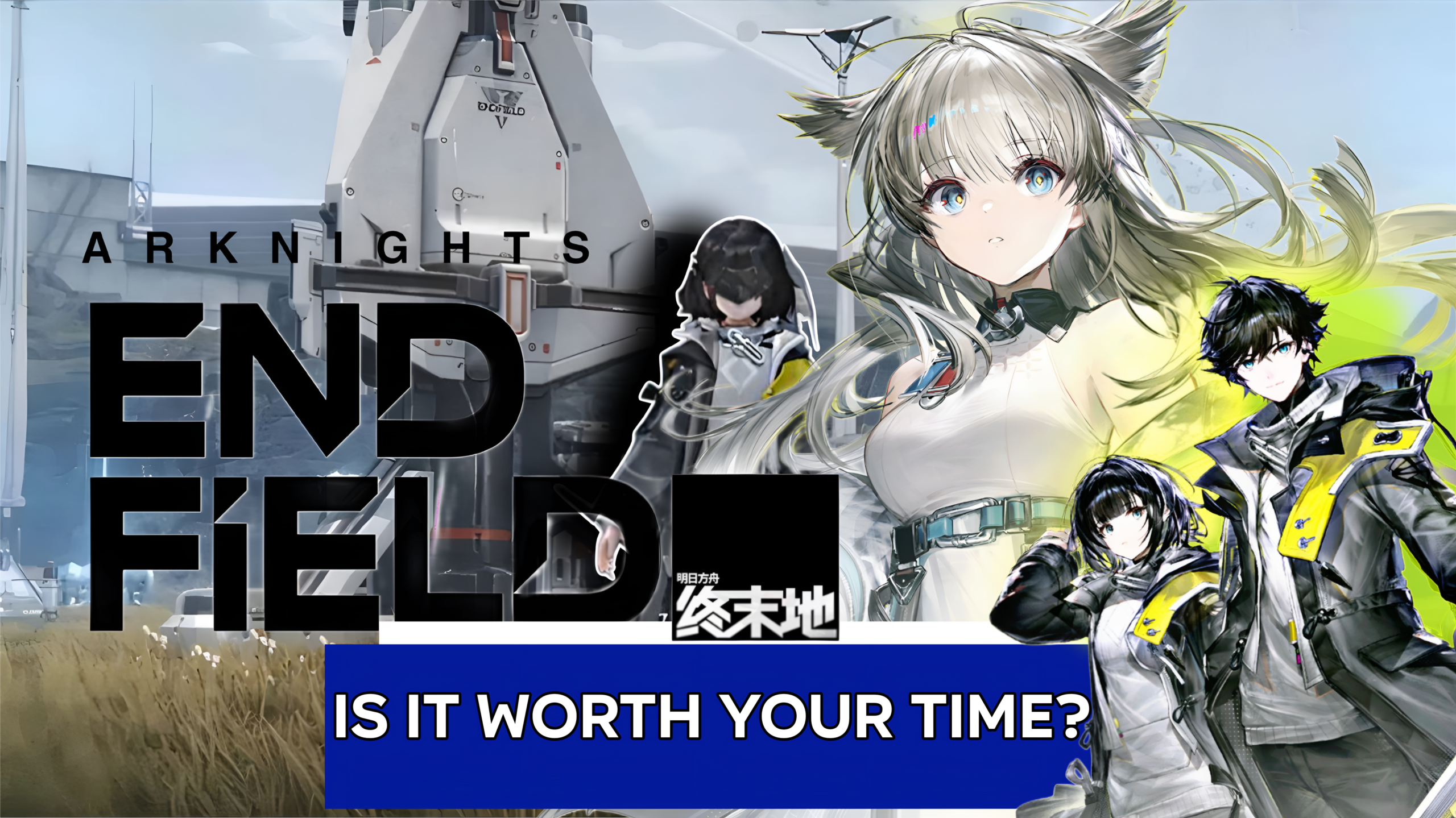
Arknights: Endfield is Here: This is the Future of Cross-Platform RPG
The anticipation surrounding Arknights: Endfield is unlike most mobile spin‑offs. Across Reddit, Twitter, Instagram, and fandom communities, the mood is best described as cautious optimism. Fans are excited about the promise of fresh gameplay, high production values, and seamless cross‑platform compatibility, yet they remain wary of pitfalls such as predatory monetization and excessive grind. This blend of hope and skepticism sets the stage for why Endfield might become 2026’s first truly great mobile‑console crossover.
Story and Worldbuilding
Narrative Structure and Pacing
Endfield’s story is set 200 years after the original Arknights, on the moon Talos-II. Players assume the role of the Endministrator, an amnesiac hero tasked with rebuilding civilization amid existential threats from Aggeloi creatures, Landbreakers, and the mysterious Blight. The narrative blends space opera, corporate intrigue, and themes of survival and colonization.
The story’s structure is more linear and cinematic than the episodic, crisis-driven arcs of mainline Arknights. Early chapters are heavily expository, with lengthy tutorials and dialogue sequences that introduce the world, factions, and AIC systems. Many reviewers and players criticize the slow pacing and lack of a strong early hook, noting that the story “becomes much more engaging once Wuling and the deeper conflicts around Nefarith, the Foundation, and the Endministrator’s past come into focus”
Worldbuilding and Lore
Worldbuilding in Endfield is ambitious, with detailed lore, multiple factions, and a rich history that ties back to the original Arknights universe. The game explores the ethics of colonization, the dangers of unchecked technological progress, and the moral ambiguity of its organizations. Environmental storytelling, in-game documents, and side quests flesh out the setting, though some players find the abundance of jargon and exposition overwhelming.
The cyberpunk-industrial aesthetic is consistently praised for its cohesion and depth. However, some players feel that the stakes and antagonists are underdeveloped in the early game, with the Aggeloi threat feeling more abstract than immediate.
Character Development
Character design and development are standout elements in Endfield. Each operator features unique visual design, personality, and voice acting. The cast includes both new faces and returning characters from Rhodes Island, with distinct roles in the narrative and gameplay. Community feedback highlights the emotional range and expressiveness of the characters, as well as the diversity of backgrounds and motivations.
However, the protagonist—the Endministrator—is criticized for being a generic, amnesiac hero who is universally revered from the outset. This lack of initial tension or distrust reduces narrative stakes and player investment. As one reviewer noted, “You are the hero because they say you are the hero, nothing more”.
Emotional Impact and Voice Acting
The emotional impact of Endfield’s story is mixed. While certain character moments and cutscenes are praised for their poignancy and humor, the overall narrative is often described as “serviceable but lacking a strong hook.” The story gains momentum in later chapters, with more complex conflicts and moral dilemmas, but some players may not have the patience to reach these payoffs.
Voice acting is a major strength, with high-quality performances across English, Japanese, Chinese, and Korean dubs. The English cast, in particular, is lauded for its regional accents and emotional delivery, enhancing immersion and character depth.
Community Consensus and Division
The community is divided on the story’s effectiveness. Fans of the Arknights universe appreciate the expanded lore and character interactions, while newcomers and action-focused players find the pacing and exposition-heavy opening off-putting. There is broad agreement that character design and voice acting elevate the narrative, even if the plot itself is slow to develop.
The Gameplay
Factory Simulation (AIC System)
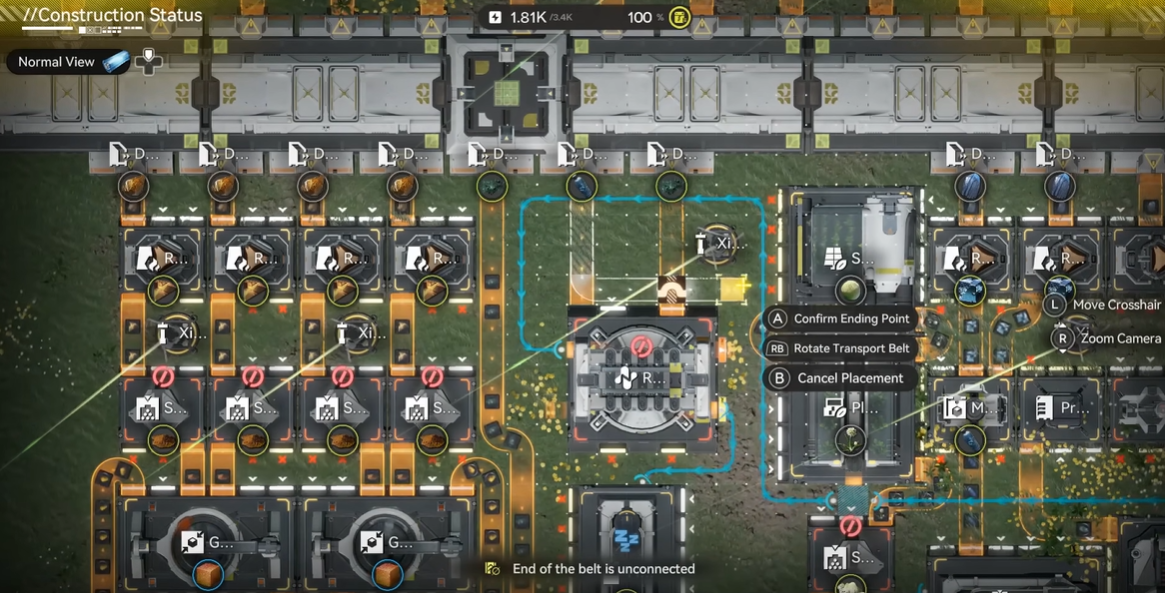
The Automated Industry Complex anchors Endfield’s progression loop through a system that invites players to think like engineers. Conveyor belts, processors, and modular units form a dynamic grid where each connection influences the next. Layouts evolve through iteration, with every adjustment shaping the tempo of production. Players begin by solving for efficiency, then gradually shift toward expression—tuning flow, layering logic, and refining their designs into something that feels both mechanical and personal. As blueprints circulate through the community, the factory becomes a shared language, where creativity and optimization intersect.
This simulation doesn’t operate in isolation. Exploration introduces new materials, combat unlocks defensive modules, and narrative milestones expand the range of available systems. Each layer contributes to the factory’s evolution, reinforcing a loop that grows more intricate as players deepen their understanding. The AIC becomes a reflection of progress, not through imposed milestones, but through the visible impact of player-driven design. That sense of authorship—of watching a system respond to your decisions—gives Endfield a rhythm that feels earned and immersive. The result is a simulation that respects time, encourages curiosity, and delivers a kind of satisfaction that lingers long after the machines are running smoothly.
Battle System
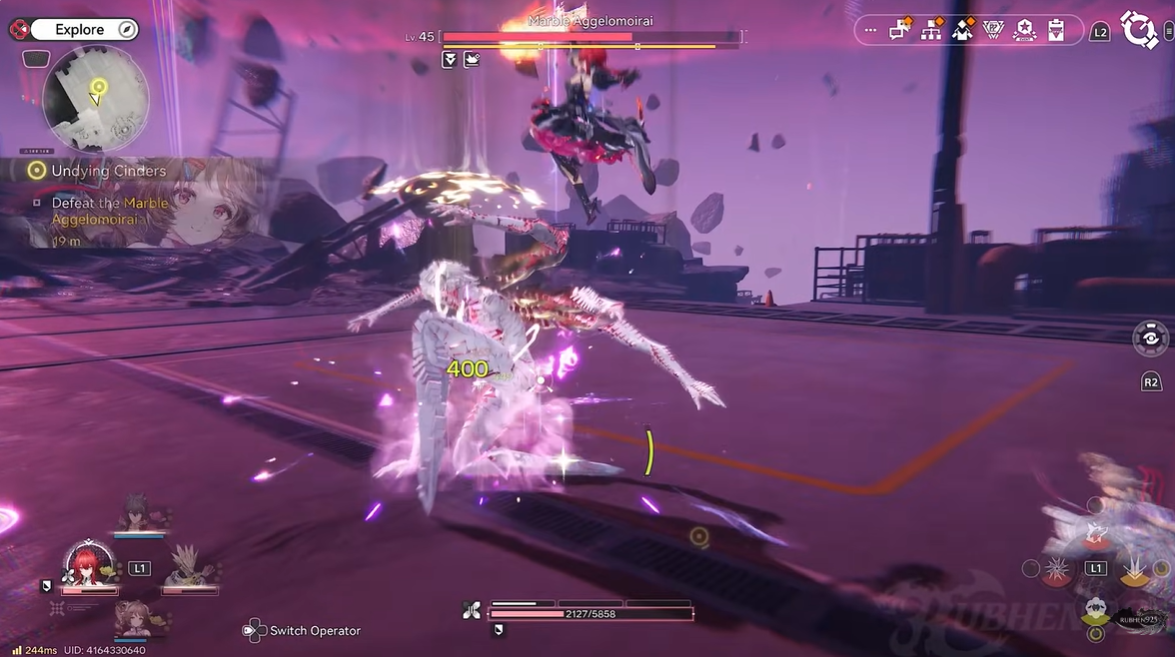
Combat in Endfield unfolds through a four-operator squad, each bringing distinct skills, elemental affinities, and battlefield roles. Players manage cooldowns, positioning, and ability chains in real time, creating a rhythm that feels both reactive and strategic. The interface supports this flow with clean inputs across platforms, allowing for quick swaps and precise execution. Operators aren’t just units to deploy—they’re instruments in a tactical composition. When their abilities align, the screen lights up with synergy, not spectacle. The system encourages foresight, but leaves room for improvisation, especially when enemy patterns shift mid-encounter.
As players push deeper into Talos-II, enemy density increases and encounter design becomes more layered. Mob waves introduce pressure through flanking routes, terrain hazards, and elemental resistances that demand flexible team builds. Each skirmish becomes a test of spatial awareness and resource management, especially when multiple objectives compete for attention. The game doesn’t escalate through raw numbers alone. It introduces new enemy archetypes that disrupt familiar strategies, prompting players to rethink their approach without resetting their progress. This keeps the learning curve active while preserving momentum.
Boss battles serve as the culmination of these systems. Each one arrives with its own mechanics—phase transitions, area denial, and scripted behaviors that evolve over time. Some bosses manipulate terrain. Others force players to split their team or rotate roles mid-fight. These encounters reward preparation, but they also highlight adaptability. A well-timed ultimate or a last-second reposition can shift the outcome, not through luck, but through understanding. The game’s design supports this with clear telegraphs and generous recovery windows, allowing players to read, react, and refine. Victory feels earned through execution, not brute force.
Together, these layers form a combat loop that remains engaging across sessions. It’s a system that respects player agency, scales with skill, and delivers tension without relying on punishment. The result is a battlefield that feels alive—one where every decision leaves a mark, and every encounter adds something to the rhythm of play.
World Exploration
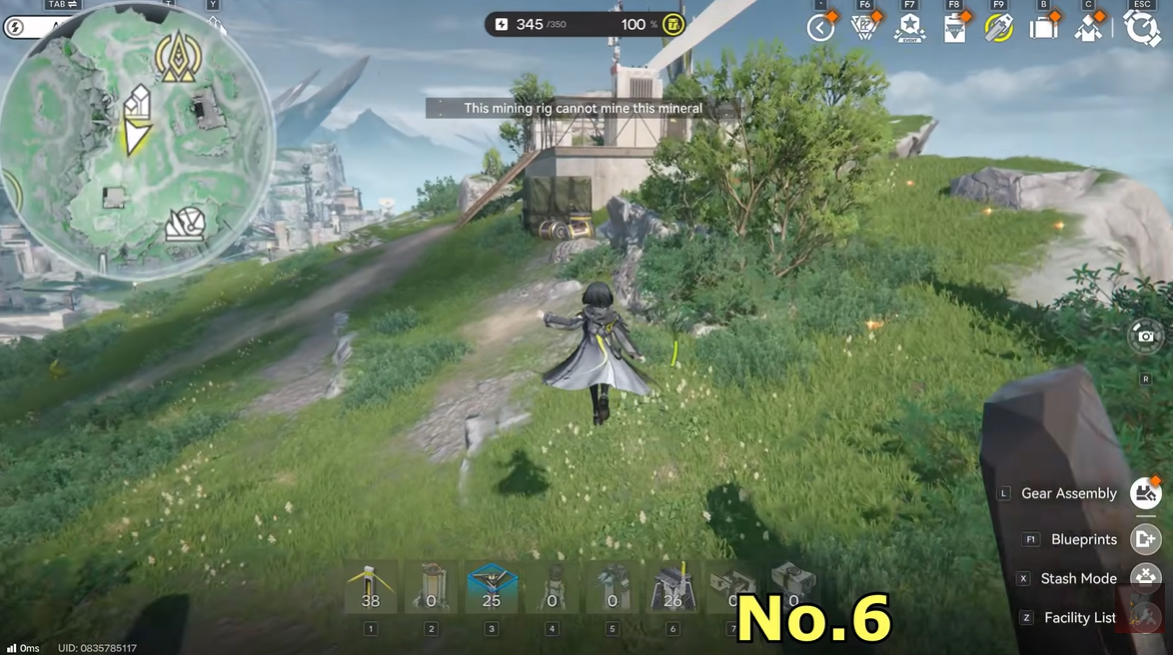
Talos-II unfolds through layered zones that invite players to move with purpose. Each region offers a blend of environmental storytelling, resource discovery, and tactical friction. The terrain isn’t just backdrop—it shapes movement, influences combat positioning, and hides materials essential to factory expansion. As players traverse these spaces, they encounter puzzles, hazards, and lore fragments that deepen their understanding of the world’s fractured history. The design encourages curiosity without overwhelming the map with distractions. Every detour has the potential to unlock something meaningful, whether it’s a rare blueprint, a new operator interaction, or a shortcut that reshapes how a zone is approached.
Progression through the world mirrors the growth of the factory. New areas introduce fresh materials, enemy types, and environmental mechanics that ripple back into production logic. Exploration becomes part of the loop, not a break from it. Players gather, adapt, and return with more than just loot—they return with options. The pacing supports this rhythm by spacing out discoveries in a way that feels earned rather than staged.
Visual cues, ambient audio, and subtle narrative threads guide players forward without relying on heavy exposition. The result is a world that feels constructed with intent, where each step contributes to a broader sense of authorship. Talos-II doesn’t demand constant attention. It rewards presence. And in doing so, it transforms traversal into something more than movement—it becomes a form of engagement that supports the game’s core systems without ever pulling focus from them.
Music and Sound Design
Composition and Music Quality
Endfield’s soundtrack is a highlight, blending orchestral themes with electronic elements to create a dynamic and immersive audio landscape. The music adapts to different environments, combat scenarios, and narrative moments, enhancing the emotional tone and atmosphere of the game. Collaborations with bands like Starset (“We Are Empire”) and One Republic (“Give Me Something”) add mainstream appeal and thematic resonance.
Community feedback consistently praises the soundtrack for its quality and variety. Tracks such as “Main Menu,” “Base Combat,” and “Valley Combat” are cited as favorites, with many players noting that the music contributes significantly to the game’s sense of scale and immersion.
Sound design in Endfield is detailed and impactful. Combat effects, environmental sounds, and UI feedback are all finely tuned to enhance player immersion. The use of spatial audio and dynamic mixing ensures that important cues—such as enemy attacks or factory alerts—are clear and distinct, even during chaotic battles.
Some players note that the abundance of sound effects during large-scale combat can become overwhelming, but the overall consensus is that the audio design is high quality polished
Voice Acting Quality
As previously mentioned, voice acting is a major strength in Endfield. The game supports multiple language tracks, with English and Japanese dubs being the most popular among the community. The English cast is praised for its thoughtful casting, regional accents, and emotional range, while the Japanese dub appeals to fans of anime and gacha traditions. Players can freely switch between voice and text languages, allowing for personalized combinations that maximize enjoyment and accessibility. Subtitles are always available, ensuring that no dialogue is missed during gameplay.
The combination of high-quality music, sound design, and voice acting creates a deeply immersive experience. Players frequently cite the audio as a key factor in their emotional engagement with the story and characters.
User Experience (Accessibility)
UI/UX Design
Endfield’s user interface is modern and visually appealing, with clear icons, intuitive menus, and responsive controls. The game supports extensive customization of keybinds and control schemes across PC, mobile, and console platforms. The UI is designed to accommodate the complexity of the AIC factory system, with dedicated menus for production chains, power management, and resource tracking.
However, the sheer volume of menus, currencies, and subsystems can be overwhelming, especially for new players. Multiple reviewers and community members report feeling “bombarded with menus and systems,” particularly during the early game. The UI for currency management is singled out as confusing, with many different types of currency, some with expiration dates, and unclear labeling.
Onboarding and Tutorial Clarity
The onboarding process in Endfield is thorough but lengthy. Tutorials cover every aspect of gameplay, from combat mechanics to factory automation, often through a combination of dialogue, interactive missions, and VR simulations. While this ensures that players are well-informed, the pacing is slow and can feel like “learning how to work instead of how to play”.
Community feedback is mixed on the effectiveness of the tutorials. Some appreciate the detailed explanations and gradual introduction of systems, while others find the process tedious and a barrier to early enjoyment. The ability to import community blueprints and access in-game guides helps mitigate some of the complexity, but there is a clear call for streamlined tutorials and better onboarding in future updates.
Control Schemes Across Platforms
Endfield supports a wide range of control options:
PC: Full keyboard and mouse support, with customizable keybinds for movement, combat, and factory management. Mouse-driven menus and drag-and-drop interfaces are intuitive for most users.
Mobile: Touchscreen controls are context-sensitive, adapting to combat, exploration, and factory modes. Mobile controller support is available via Bluetooth, though with some limitations depending on device and controller model.
Console (PS5): Native controller support with adaptive triggers and haptic feedback. The control scheme is optimized for exploration and combat, but some players find factory management less intuitive on console compared to PC.
Remapping options are available, though currently limited to a subset of buttons on controllers. The community generally agrees that keyboard and mouse offer the most flexibility, especially for complex factory layouts
Accessibility Features
Endfield includes several accessibility features, such as adjustable font sizes, colorblind modes, and customizable audio levels. Subtitles are always available, and players can switch between voice and text languages at any time. However, there is room for improvement in areas such as menu navigation for visually impaired players and expanded controller remapping options.
Community Consensus
The consensus is that Endfield’s UI/UX is polished and visually appealing but suffers from complexity and information overload. The onboarding process is comprehensive but slow, with many players calling for more streamlined tutorials and clearer currency management. Control schemes are generally well-received, with PC offering the best experience for factory management.
Localization Quality
Accuracy and Consistency
Endfield supports multiple languages for both text and voice, including English, Japanese, Chinese, and Korean. The localization is generally praised for its accuracy, consistency, and attention to detail. Key terminology, character names, and lore are translated faithfully, preserving the tone and intent of the original script.
Community feedback highlights the quality of the English localization, with regional accents and idiomatic expressions that give factions and characters distinct personalities. The Japanese dub is also popular, especially among fans of anime and other gacha games.
Cultural Adaptation
Cultural adaptation in Endfield is handled thoughtfully, with references, jokes, and metaphors adjusted to suit different audiences. Localization teams avoid literal translations of idioms and ensure that context is preserved. For example, units of measurement are converted appropriately, and culturally sensitive content is adapted or omitted as needed. However, as with any large-scale localization effort, minor bugs and inconsistencies occasionally slip through. Players have reported occasional mistranslations, missing voice lines, or formatting issues, but these are generally rare and quickly addressed in patches.
Quality Assurance and LQA
Endfield employs a robust localization quality assurance (LQA) process, including in-game testing, proofreading, and editing. LQA testers review the text in its final context, ensuring that translations fit within UI elements, voice lines are synchronized, and cultural references are appropriate. This multi-layered approach minimizes errors and enhances the overall player experience.
The community is largely satisfied with Endfield’s localization quality. Players appreciate the ability to mix and match voice and text languages, as well as the availability of subtitles and audio balancing options. The consensus is that Endfield sets a high standard for localization in the gacha genre, though ongoing vigilance is needed to maintain quality as new content is added.
Money-Time Value
Gacha System Fairness
Endfield’s gacha system is a central point of contention within the community. The game features separate banners for characters (Operators) and weapons, each with their own pity mechanics. The base rates for 6-star Operators are 0.8%, with soft pity starting at 65 pulls (+5% per pull), hard pity at 80 pulls (guaranteed 6-star), and a 120-pull guarantee for the featured limited character. Weapon banners have a 4% 6-star rate, with a guaranteed featured weapon after 80 pulls.
While these pity ceilings are more generous than some competitors, the lack of pity carryover between banners and the high number of required pulls for duplicates (up to 240 for a second copy) are widely criticized. The abundance of currencies, some with expiration dates, adds to the confusion and perceived predatory nature of the system.
Community sentiment is sharply divided. Some players appreciate the predictability of the 120-pull guarantee and the ability to plan for specific banners. Others feel that the system is “oppressively predatory,” especially for competitive players or those seeking to fully max out characters. Free-to-play (F2P) players can progress, but at a significantly slower pace and with limited access to top-tier units.
In-Game Purchase Value
Endfield offers a range of in-game purchases, including monthly cards, battle passes, cosmetics, and currency packs. The monthly card is widely regarded as the best value for low spenders, providing a steady stream of premium currency and stamina boosters for a modest monthly fee. The battle pass offers additional rewards, including materials and weapons, with a free track available for all players.
Cosmetic items and optional passes are the primary monetization drivers, rather than hard paywalls or exclusive content. This approach is generally well-received, with players noting that spending is optional and primarily accelerates progression rather than gating content.
Monetization Transparency
Endfield offers a range of in-game purchases, including monthly cards, battle passes, cosmetics, and currency packs. The monthly card is widely regarded as the best value for low spenders, providing a steady stream of premium currency and stamina boosters for a modest monthly fee. The battle pass offers additional rewards, including materials and weapons, with a free track available for all players.
Cosmetic items and optional passes are the primary monetization drivers, rather than hard paywalls or exclusive content. This approach is generally well-received, with players noting that spending is optional and primarily accelerates progression rather than gating content.
Respect for Player Time
Endfield’s design respects player time to a degree, with daily and weekly routines that can be completed in 30–45 minutes. The factory system allows for passive resource generation, reducing the need for constant grinding. Stamina (Sanity) limits the amount of farming that can be done in a single session, encouraging regular but not excessive play.
However, the reliance on daily tasks, event participation, and resource management can create a sense of obligation or “fear of missing out” (FOMO). Players with busy schedules may struggle to keep up with all available content, and the pressure to log in daily is a common complaint.
Supporting Elements
Game Size: Current and Projected
Endfield is a large game by gacha standards, with file sizes ranging from 25–28 GB on mobile devices to 50–60 GB on PC and PlayStation 5. The game requires additional free space for installation and unpacking, with SSDs strongly recommended for optimal performance.
As with most live-service games, the file size is expected to grow with future updates, new regions, and additional content. Players are advised to maintain extra storage space and to anticipate regular downloads as the game evolves.
Device Requirements: Minimum and Recommended Specs
PC Requirements
Spec | Minimum | Recommended |
|---|---|---|
CPU | Intel Core i5-9400F | Intel Core i7-10700K |
GPU | NVIDIA GTX 1060 6GB | NVIDIA RTX 2060 |
RAM | 16 GB | 16 GB or higher |
Storage | Intel Core i5-50–60 GB SSD (+40 GB unpacking) | 50–60 GB SSD (NVMe preferred) |
OS | Windows 10/11 (64-bit) | Windows 11 (64-bit) |
Mobile Requirements
Platform | Minimum Device / OS | Recommended Device / OS | RAM | Storage |
|---|---|---|---|---|
Android | Snapdragon 855 / Android 10.0 | Snapdragon 8+ Gen 1 / Android 11 | 6 GB | 25–28GB |
IOS | iPhone 11 / iOS 15.0 | iPhone 13 Pro / iOS 15.0 | 4–6GB | 25–28GB |
Console versions, especially on PlayStation 5, will have benefit from hardware-specific enhancements. The game runs in true 4K resolution, with ray tracing for improved shadows and reflections. Adaptive triggers and haptic feedback on the PS5 controller add tactile immersion to combat. Load times are nearly instantaneous thanks to the fast SSD, and the overall experience is smooth and visually impressive. However, some players note that complex factory management can be less intuitive with a controller compared to mouse input.
Healthy Playing Time: Scientific and Logical Recommendation
Recent studies indicate that up to 10 hours of gaming per week is generally safe for young adults, with no significant negative impact on BMI, diet, or sleep quality. Exceeding this threshold is associated with increased health risks, including higher BMI, poorer diet, and sleep disturbances. Esports players and gamers who engage in 20–25 hours per week report higher rates of sedentary behavior, anxiety, and burnout.
For Arknights: Endfield, a daily routine of 30–45 minutes is sufficient to complete core tasks, manage the factory, and participate in events. Factory automation allows for passive progression, reducing the need for extended play sessions. Players are encouraged to:
1. Log in daily to spend Sanity (stamina) and collect rewards
2. Focus on meaningful upgrades and avoid over-farming low-value materials
3. Take regular breaks, engage in physical activity, and maintain a balanced lifestyle
Endfield incorporates several systems to promote healthy play habits:
Stamina (Sanity) System: Limits the amount of farming and grinding that can be done in a single session, encouraging regular but moderate play.
Passive Resource Generation: The AIC factory continues to produce resources while the player is offline, reducing the need for constant engagement.
Content Pacing: Daily and weekly objectives can be completed in under an hour, with additional content available for those who wish to play more.
Event Structure: Limited-time events and login rewards incentivize regular check-ins without requiring marathon sessions.
These systems align with scientific recommendations for healthy gaming, supporting both casual and dedicated players in maintaining balance.
“We want Endfield to be a good entry point for new players.” – Hypergryph
When the developers said it, they acknowledged a crucial challenge. The original Arknights built a loyal fanbase through tower defense mechanics and layered lore, but it also intimidated newcomers with its complexity. Endfield aims to change that. By designing systems that feel approachable without losing depth, the team hopes to welcome players who may have never touched the franchise before. This ambition matters because crossover success depends on accessibility. A game cannot thrive across mobile and console if it only caters to veterans.
The Automated Industry Complex(AIC) system and tactical combat loop are ambitious, but they risk overwhelming first‑time players. Developers recognize this and have promised clearer onboarding, smoother tutorials, and gradual progression. The goal is to make the early hours engaging rather than confusing. Console audiences often embrace steep learning curves, but mobile players expect immediate clarity. By balancing these expectations, Endfield can create a unified experience that respects both play styles. This balance is what transforms the game from a niche experiment into a true crossover candidate.
If the developers could deliver cinematic storytelling with emotional stakes, Endfield will not only expand the franchise but also redefine how gacha‑born titles welcome new audiences. That is why the quote about accessibility is more than a promise—it is the foundation of crossover success.