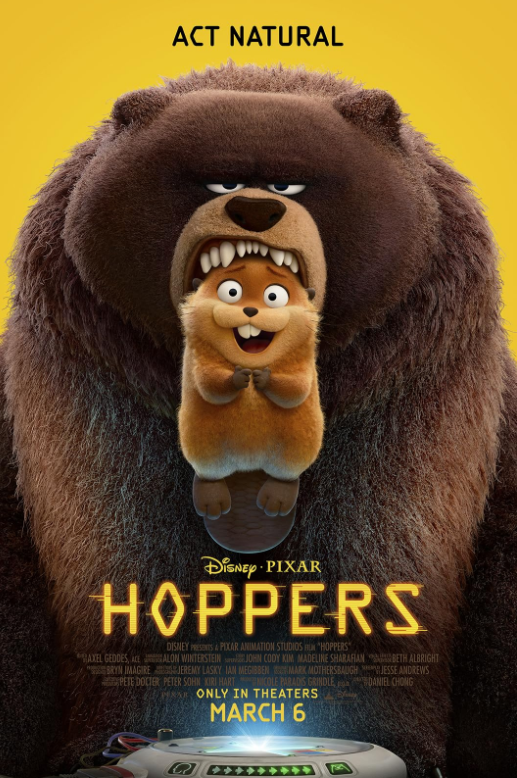
Pixar’s mind-swapping beaver adventure brings a delightfully weird concept to life, but the real question keeping audiences in their seats is what happens after the screen goes black.
Pitching a movie where a human girl’s consciousness is uploaded into a synthetic, animatronic beaver to infiltrate the animal kingdom requires a certain kind of audacity. On paper, it sounds like a fever dream. It skirts dangerously close to sci-fi body horror, filtered through a family-friendly lens. Yet, here we are in March 2026, and Pixar has somehow transformed this bizarre premise into one of their most emotionally resonant films in years.
If you’re sitting in a darkened theater right now, furiously searching for a definitive Pixar Hoppers movie review and post credits guide before the lights come up, you are in the right place. We will get to the credits. But first, we need to talk about the sheer, magnificent weirdness of what Pixar just pulled off.
The Review — A Beautifully Bizarre Beaver Tale
The magic of Hoppers lies in how quickly it normalizes its own absurdity. We are introduced to Mabel, a deeply relatable, screen-addicted teenager who becomes the test subject for a highly experimental piece of technology. Watching the mechanics of the Hoppers robot beaver explained on screen is a visual treat. Mabel’s consciousness is beamed into a synthetic, furry Trojan horse, dropping her straight into the muddy, untamed wilderness.
The visual contrast between the two worlds is staggering. The human world Mabel leaves behind is rendered in muted, sterile tones—a hyper-digital landscape that feels eerily similar to our own reality. The animal kingdom, however, is a masterpiece of ground-level cinematography. The lush greens, the chaotic rush of river water, and the hyper-tactile mud feel so real you can almost smell the damp earth. Pixar has always excelled at environmental design, but down here, at a beaver’s eye level, the animation achieves a new kind of visceral beauty.
But a pretty environment is nothing without a compelling conflict, and that is where the human element crashes the party.
Enter the Mayor, a man so arrogantly obsessed with urban development that he views a wetland ecosystem merely as unpoured concrete. Voicing the Jon Hamm Hoppers villain was a stroke of casting genius. Hamm brings his signature velvet-toned charisma to the role, but coats it in a deliciously pompous, unchecked corporate smarminess. He isn’t a terrifying monster; he is a recognizable, mundane evil—a guy who thinks destroying a habitat is simply a necessary footnote to a lucrative real estate deal. He is the perfect cartoonish foil to the film’s naturalistic setting.
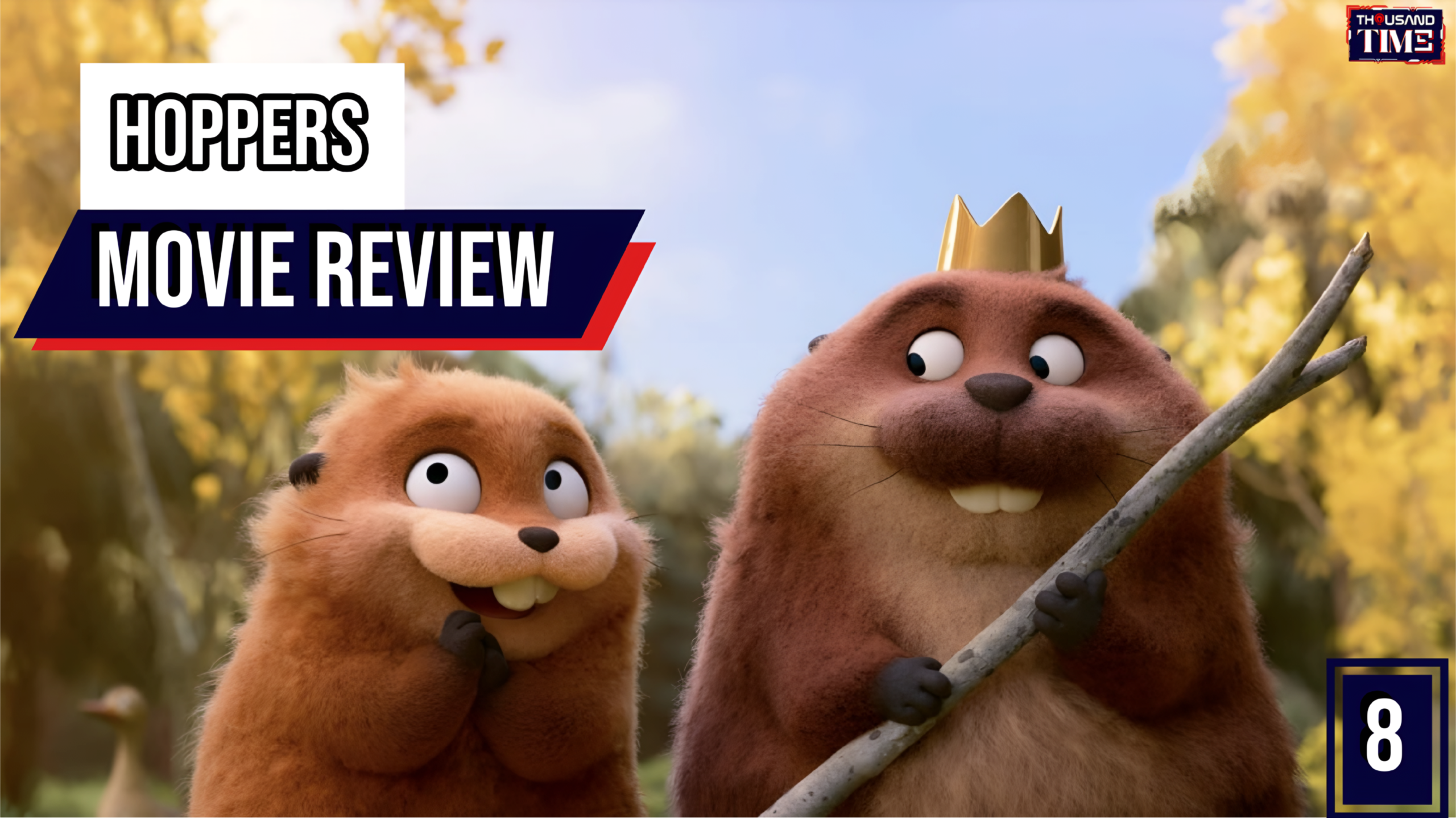
Down in the muck, the narrative is anchored by the buddy-comedy dynamic between Mabel—trapped in her robotic beaver body—and King George, a highly regal, easily bewildered real beaver. Their friction drives the emotional core of the film. Mabel is entirely disconnected from nature, a kid who understands the world through screens and algorithms. King George operates on pure instinct and community survival. Their journey from mutual suspicion to genuine understanding is where the film’s true heart beats.
So, is Hoppers worth watching? Absolutely. It is Pixar’s boldest conceptual swing since Inside Out. In an era where our daily lives are mediated by glass screens and digital avatars, a movie that literally forces its protagonist to log off, inhabit another creature, and feel the cold rush of a river is incredibly poignant. It asks us to consider what empathy really looks like when you are stripped of your human privilege.
It is weird. It is wild. And it works.
Does Pixar’s Hoppers Have a Post-Credit Scene?
You loved the movie, the screen has gone black, and the usher is lingering in the aisle with a broom. Now comes the highly transactional question that every modern moviegoer asks: does Hoppers have a post credit scene?
Yes, it does. You will want to stick around. There are two distinct moments to watch out for as the credits roll, and neither of them takes itself too seriously.
Mild Spoiler Warning Below
1. The Mid-Credits Scene About halfway through the stylized main credits, the film delivers a hilarious continuation of one of its weirdest running jokes. If you found yourself laughing at the unnervingly realistic silicon mask of Mayor Jerry’s face earlier in the film, you are in luck. We find characters Loaf, Ellen, and Tom deep in the woods, taking turns wearing the bizarre replica. Naturally, nature intervenes. A passing bird swoops down and steals the mask away, carrying the Mayor’s rubbery likeness off into the canopy. It is a perfect, low-stakes visual gag.
2. The Post-Credits Stinger Wait until the absolute end of the crawl. Right after the final production logos, Pixar delivers a masterclass in the long-game callback. Remember the elderly man from the beginning of the movie who completely misunderstood Mabel’s environmental petition and instead used it to write down his grocery list?
The final scene pays off those requested items—eggs, milk, and bread—in spectacular, absurd fashion. An army of ants, proudly directed by the newly crowned Insect Queen, is shown diligently delivering those exact groceries right to the old man’s house. It doesn’t tease a sequel, nor does it set up a larger cinematic universe. It is purely a brilliantly timed punchline designed to send you out of the theater with a smile.
You are officially safe to leave once the screen goes dark the second time.
MOVIE IN THIS POST