
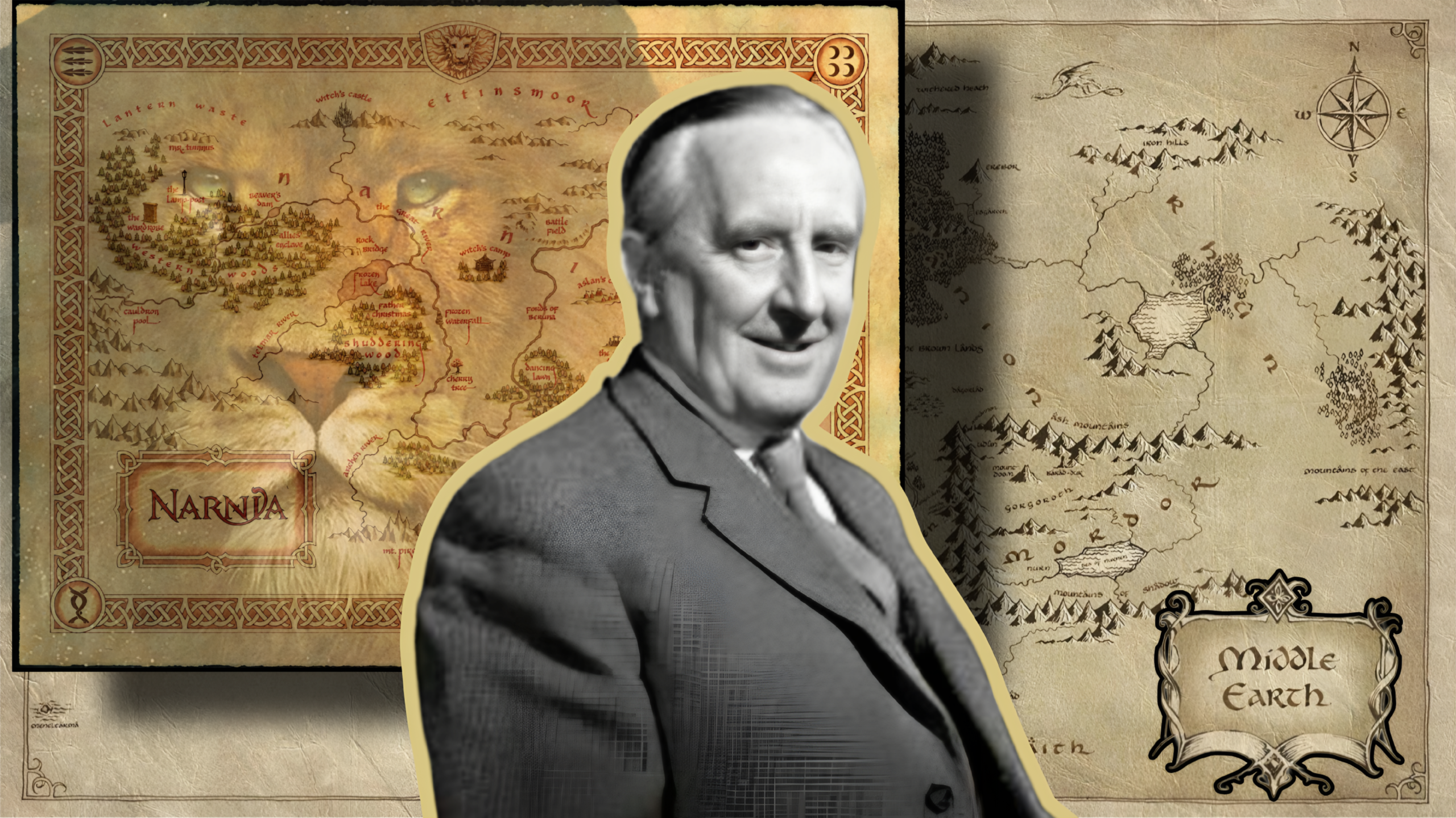
Greta Gerwig’s Narnia reboot faces an uphill climb to outshine Middle-earth because fan expectations could favor Tolkien’s cinematic legacy
I remember the first time Peter Jackson’s Lord of the Rings trilogy hit theaters — it felt like stepping into a myth that had been waiting centuries to be told. Middle-earth became the gold standard for fantasy cinema, with its sweeping landscapes, obsessive detail, and a tone that made every battle feel like history unfolding. And yeah by the way, that’s the shadow Greta Gerwig’s upcoming Narnia adaptation has to walk under.
Greta Gerwig as the Upcoming Narnia movie Director has admitted she feels “slightly in the place of terror” when approaching Narnia, acknowledging the weight of Lewis’s legacy. Audience expectations are equally heavy. Fans want nostalgia honored while also craving a fresh cinematic voice. That balance is hard to strike, especially when the inevitable comparisons to Tolkien’s adaptations loom large.
When the first time I watched The Lion, the Witch and the Wardrobe — it felt less like reading and more like stepping through the wardrobe myself. That’s the thing about C.S. Lewis: his imagination wasn’t about constructing a flawless mythos, it was about reaching the reader’s heart.
Lewis never pretended Narnia was a perfectly consistent universe. He pulled from fairy tales, Christian allegory, and childhood wonder, stitching them together into something that felt alive precisely because it was unpredictable. For Lewis, the magic wasn’t in the rules but in the intimacy — the sense that these stories were written for someone specific, a child who needed them at that moment. That personal touch is what makes Narnia unforgettable, and it’s why his words still resonate decades later. It connects us to one of his most emotional reflections.
“I wrote this story for you, but when I began it I had not realized that girls grow quicker than books.” – C.S. Lewis
That line captures the intimate, child-centered heart of Narnia. The saga thrives on allegory and wonder rather than the relentless continuity Tolkien demanded. That difference is exactly why comparisons feel unfair but inevitable. J.R.R. Tolkien himself wasn’t fond of Narnia’s approach. He disliked the way Lewis blended mythologies and allegories,calling the mix inconsistent. Tolkien valued internally coherent worlds with their own languages, histories, and rules. Lewis leaned into moral fable and collage-like storytelling. That philosophical split explains why Middle-earth translated into sweeping cinematic epics, while Narnia adaptations leaned toward fairytale spectacle. Tolkien felt Narnia was too much of a patchwork, pulling in fauns, Father Christmas, talking animals, and classical myth all at once. For Tolkien, that kind of mash‑up broke the illusion of a believable secondary world. That difference in philosophy shaped how their works landed on screen decades later.
Middle‑earth translated into sweeping cinematic epics because its foundation was built on deep lore and unified myth. Narnia, on the other hand, carried the charm of a fairytale, more episodic and symbolic, which made adaptations lean toward spectacle and moral allegory rather than immersive realism. That split explains why audiences often see Middle‑earth as the heavyweight of fantasy cinema, while Narnia feels more like a beloved storybook brought to life.
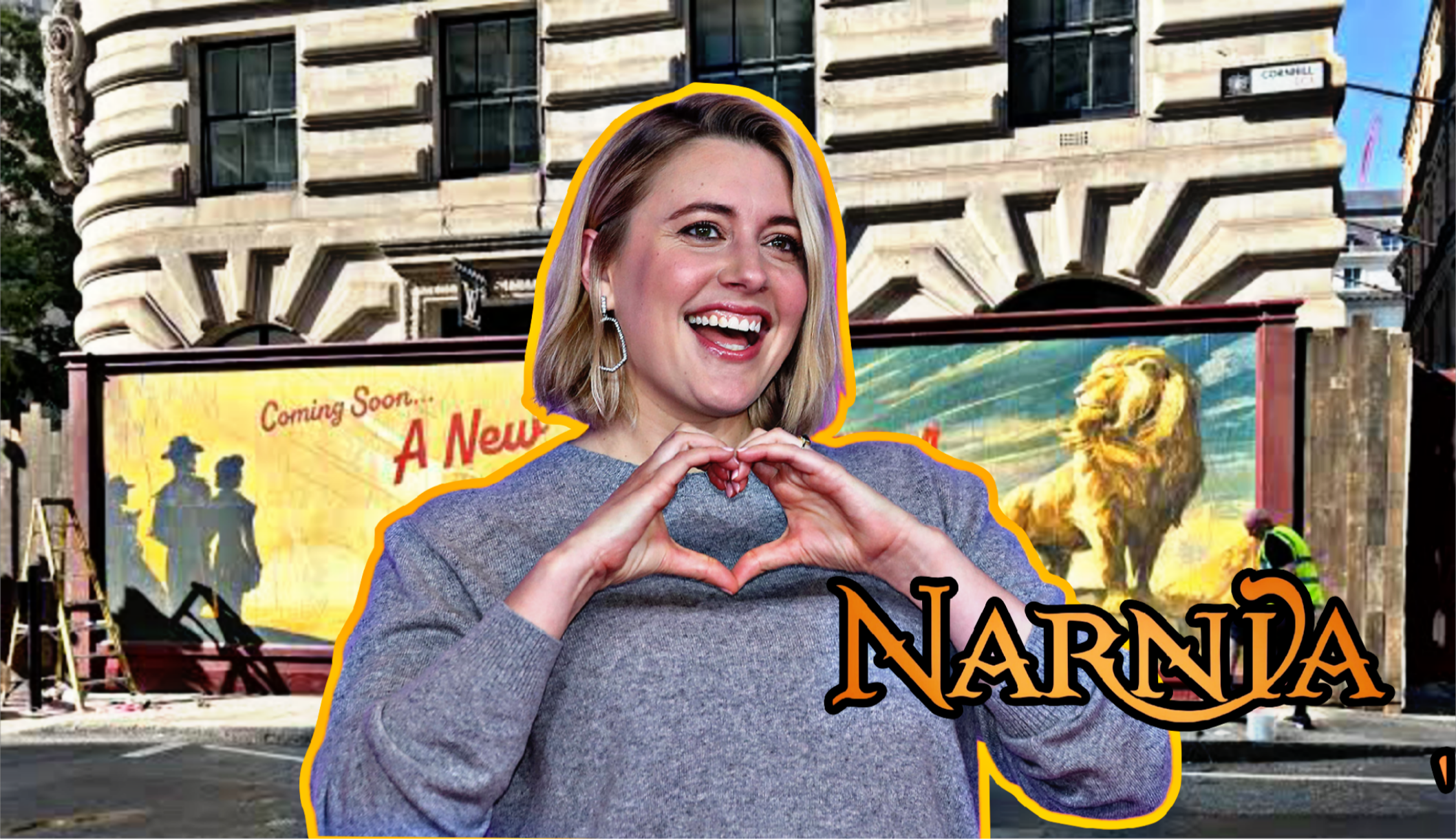
In terms of competition, surpassing Middle-earth is nearly impossible because Jackson’s films, along with later projects like J.A. Bayona’s and other directors on Amazon’s Rings of Power series, built a visual and tonal consistency that audiences now expect from fantasy. Gerwig’s Narnia can at least meet the standard set by Andrew Adamson and Michael Apted’s earlier adaptations, which delivered lush visuals and memorable set pieces. But matching Tolkien’s cinematic sweep is another matter entirely.
One controversial decision already stirring conversation is the idea of casting a female actor to voice Aslan. Aslan has long been interpreted as a Christ-like figure, and altering the traditional vocal identity challenges theological symbolism and fan expectations. That choice could spark heated debate, overshadowing the film’s artistic merits. Still, Gerwig has never been one to shy away from bold choices. If she moves forward with that casting, it’ll likely be because she sees something in the story that demands it — a new angle, a new energy, something that speaks to this moment. Whether that lands or not will depend on how well the rest of the film earns that trust.
And that’s where her “rock and roll” comment comes crashing in like a cymbal hit. When producer Amy Pascal described Gerwig’s vision for The Magician’s Nephew as “all about rock and roll” it raised eyebrows — but it also hinted at something more than just style. It suggested a kind of creative rebellion, a willingness to shake up the tone and rhythm of Narnia without losing its soul.
Gerwig’s version might not be about electric guitars or leather jackets, but about momentum, boldness, and emotional voltage. If she can channel that energy into the storytelling — if the pacing, visuals, and character arcs feel like they’re pulsing with something alive
then this reboot might not need to mimic Middle-earth at all.