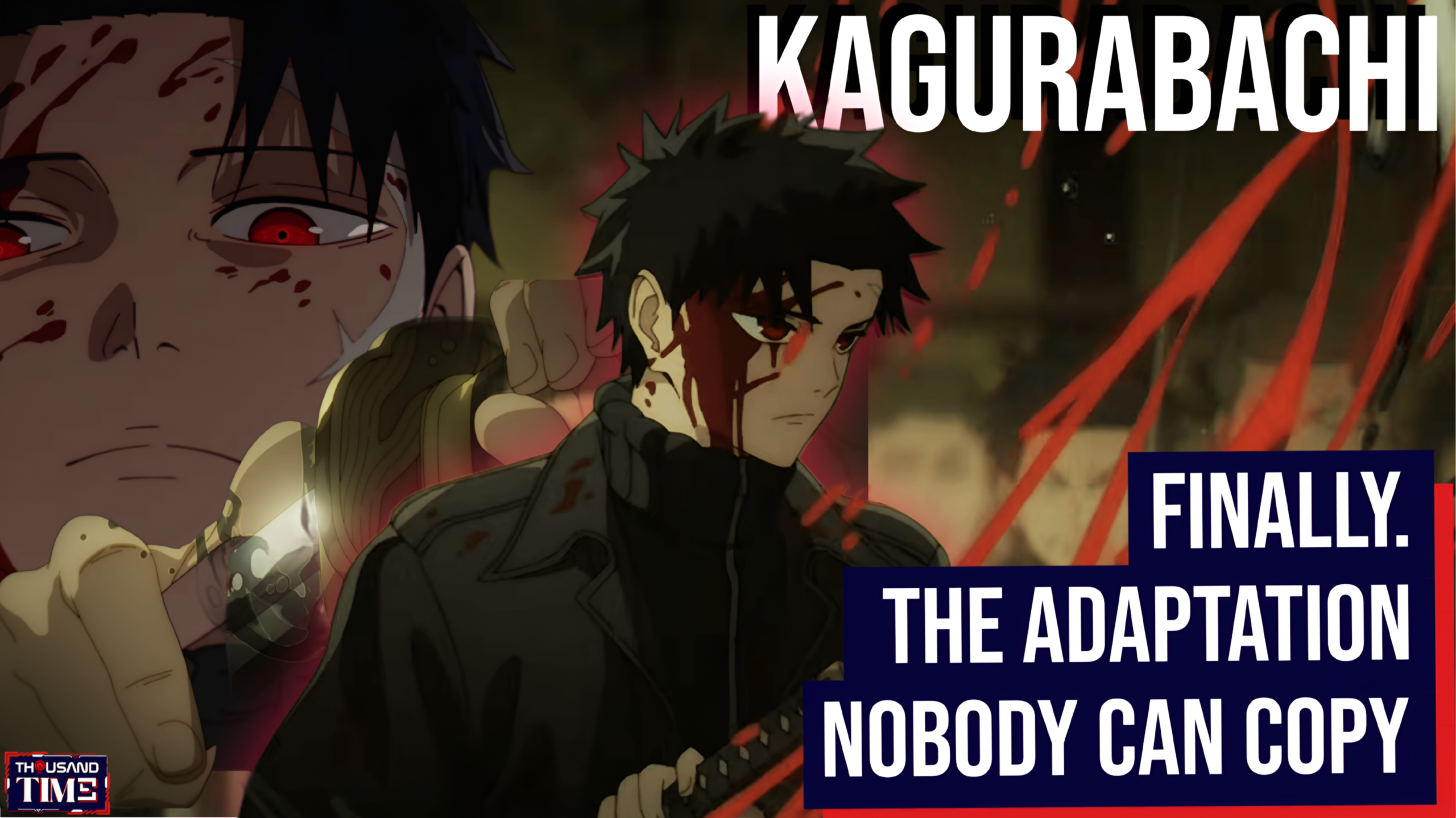
With Studio Cypic taking the reins for April 2027, the biggest challenge isn’t animating sword fights — it’s capturing Takeru Hokazono’s signature film-noir stillness.
There is a particular kind of embarrassment that comes with being an early internet joke that turns out to be right. When Kagurabachi debuted in Weekly Shōnen Jump in late 2023, it arrived with the kind of hyperbolic online enthusiasm that normally signals a fad — “peak fiction,” the memes declared, after barely three chapters existed. The discourse was loud, slightly chaotic, and easy to dismiss. The manga, though, quietly kept going. It kept getting better. And then, gradually, the irony curdled into something that looked a lot like genuine critical respect.
Now, with the April 2027 anime adaptation officially announced — produced by Studio Cypic under director Tetsuya Takeuchi — the conversation has shifted. The question of how Kagurabachi anime will adapt Takeru Hokazono’s cinematic paneling is no longer theoretical. It is the most important creative problem the production team will face. Not the action choreography. Not the soundtrack. The panels. The silence. The weight.
Getting that right is harder than it sounds.
The Manga That Shoots Like a Film Director
Open almost any chapter of Kagurabachi and you will notice something that is genuinely uncommon in the Weekly Shōnen Jump catalog: Hokazono composes his pages like a cinematographer, not an illustrator.
The vocabulary is different. Where most shonen manga leans into dynamic close-ups, speed lines, and reaction shots designed to accelerate the reader’s pulse, Hokazono tends to pull back. He favors extreme wide shots that dwarf his protagonist Chihiro against architecture, landscape, or empty space. He uses low angles that make threats feel looming and oppressive rather than exciting. He chooses negative space the way a film noir director chooses shadow — not because the page needs filling, but because the emptiness is the point.
The violence in the manga is perhaps the clearest expression of this. Hokazono does not draw fights to look cool in the conventional shonen sense. The sword doesn’t sing through the air with trails of golden light and a character shouting its name. It moves fast, it lands hard, and then it is over — and the panel that follows is often very still. Clinical, almost. The aftermath carries more visual weight than the act itself. It is the grammar of a crime thriller, not a tournament arc.
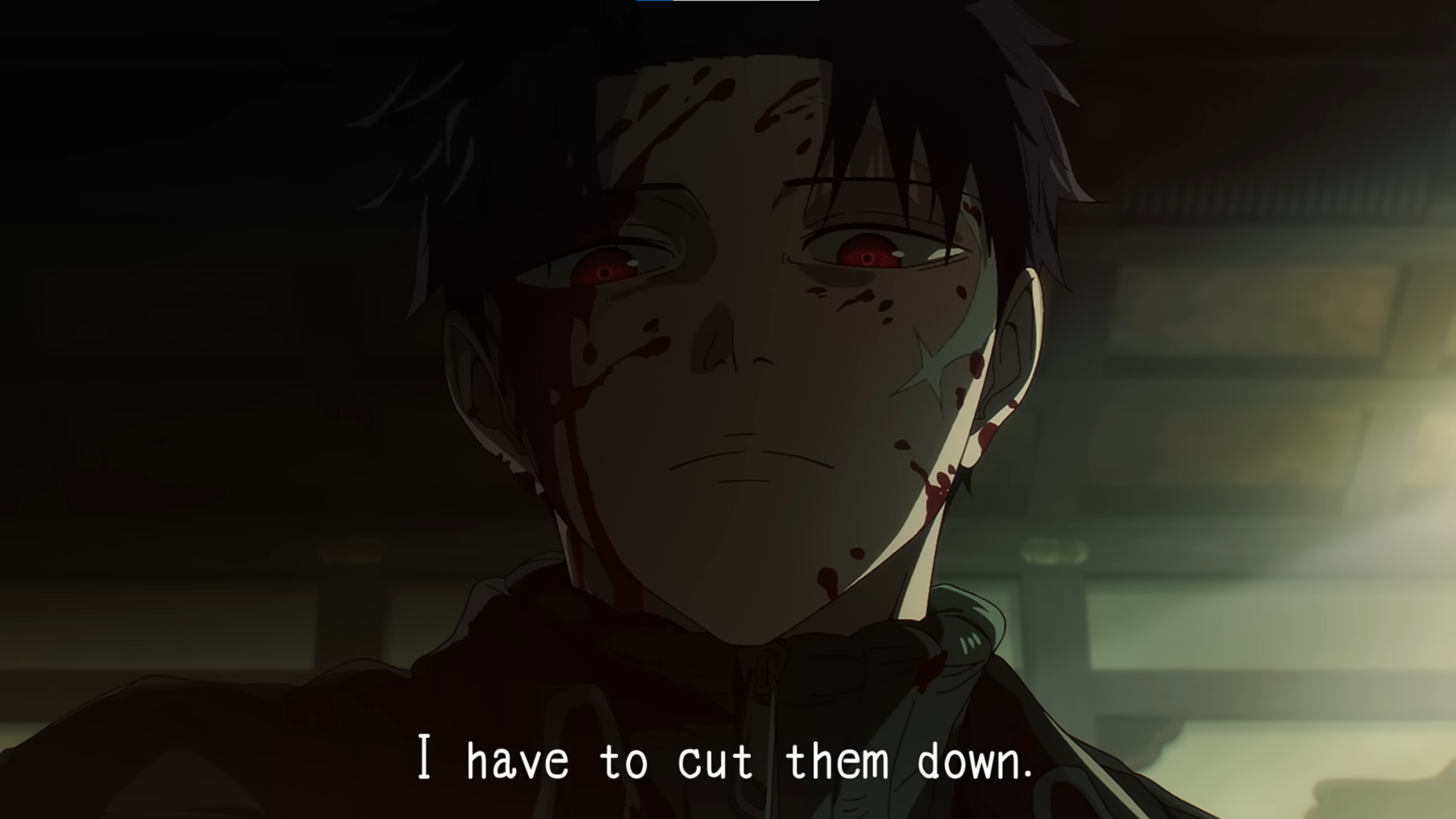
This is what the Kagurabachi art style, when explained honestly, actually comes down to: a mangaka who absorbed film language — neo-noir, specifically — and applied it to a revenge story about a boy with an enchanted blade. The result is a manga that feels like it belongs on a different shelf than its neighbors, even when it is technically sitting right between them.
Can Studio Cypic Carry the Grit?
The choice of Studio Cypic — rebranded from CygamesPictures in recent years — is an interesting one, and not without its detractors. The studio has built a reputation for precision and visual polish, the kind of output that looks expensive and considered even when the budget isn’t astronomical. They are not a juggernaut. They are not MAPPA, churning out productions at a pace that has become, charitably, a topic of industry concern. They are a smaller, more deliberate outfit that takes on fewer projects and tends to finish them looking intentional.
That distinction matters more here than it might for a different adaptation. A manga like Kagurabachi does not need the most technically overwhelming studio in the industry. It needs one that understands restraint as a virtue — that can look at an ink-heavy, quiet panel of Chihiro standing alone in a burned-out room and figure out how to hold that feeling for three seconds of runtime without reaching instinctively for ambient particle effects and a swelling orchestral cue.
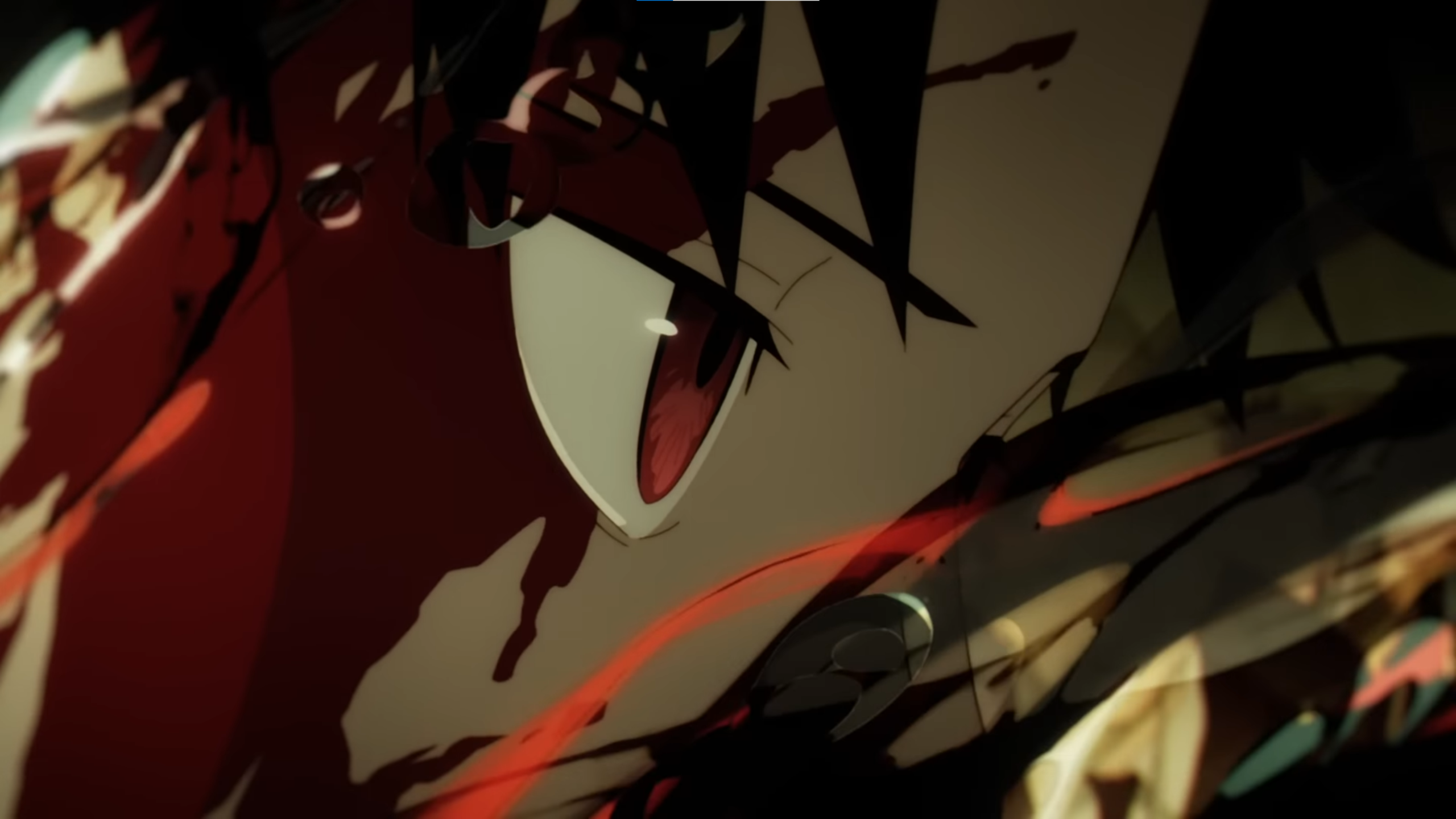
Whether Cypic can do that is the genuinely open question. Their portfolio suggests an eye for craft and detail. But the Kagurabachi aesthetic — gritty, heavy, borrowed from crime cinema rather than fantasy — is a departure from what most contemporary anime studios, including Cypic, are best known for producing. There is real talent there. The open question is whether that talent has been directed, specifically, toward understanding what Hokazono’s work is actually doing visually.
Shueisha’s reasoning for the pairing, while unconfirmed publicly, seems legible from the outside: a studio that works carefully and small, rather than one that works fast and overwhelmed. Given how many high-profile shonen adaptations have visibly buckled under production strain in recent years, that bet may be the more pragmatic one.
What Restraint Actually Looks Like
Cautious optimism feels like the right register here, for now. Studio Cypic’s selection signals at least an awareness that this property isn’t interchangeable with everything else on the seasonal calendar. Takeuchi’s involvement is too recent to fully assess, but the choice of director for a project like this tends to reveal the production’s intentions. A studio that wanted a loud, commercially safe shonen adaptation would not have picked a team assembled around craft and quiet.
What Kagurabachi needs — and what April 2027 will eventually prove or disprove — is an adaptation willing to look like nothing else airing that season. Willing to go slow when everything around it is going fast. Willing to let Chihiro be the quiet, mournful killer he is on the page, rather than the hype-coded protagonist the algorithm prefers.
The true test isn’t how the anime animates the swinging of the sword. It’s how it directs the silence before it.
Thousandtime Thoughts
There’s a version of the Kagurabachi anime that gets made for TikTok. You know the one — three-second sakuga clips of Chihiro moving impossibly fast, the kind of animation that gets a million views before the episode has finished airing, completely divorced from the stillness and sorrow that gave the moment meaning in the first place. That version would perform well. It might even be called a success.
The thing worth sitting with is that this tension isn’t really about Kagurabachi at all. It’s about what the modern anime industry has decided “a great adaptation” means. When virality becomes the primary metric, the things that made the source material extraordinary are often the first casualties — because restraint doesn’t clip well. Atmosphere doesn’t trend. Silence doesn’t get saved.
If the Kagurabachi anime commits to its source material and succeeds on its own terms, it won’t just be a good adaptation. It will be an argument. A small, well-made argument that audiences are still capable of responding to something that asks them to slow down.
That’s the adaptation worth making. And the one that feels, still, genuinely uncertain.
ANIME IN THIS POST
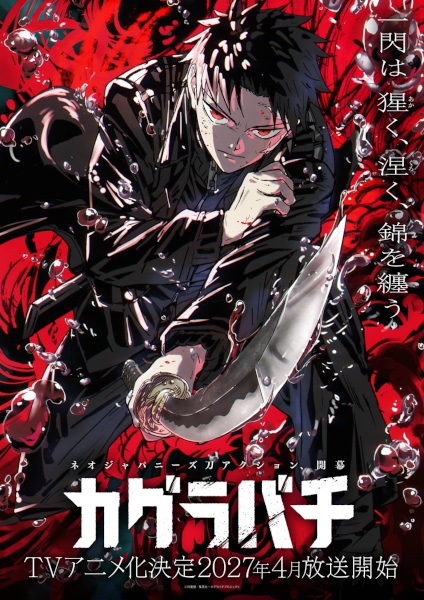
KAGURABACHI
Content you might like after reading this
One Piece Elbaf Arc Anime:…
THE ONE PIECE Remake: How…
The Blue Lock “Number 2”…