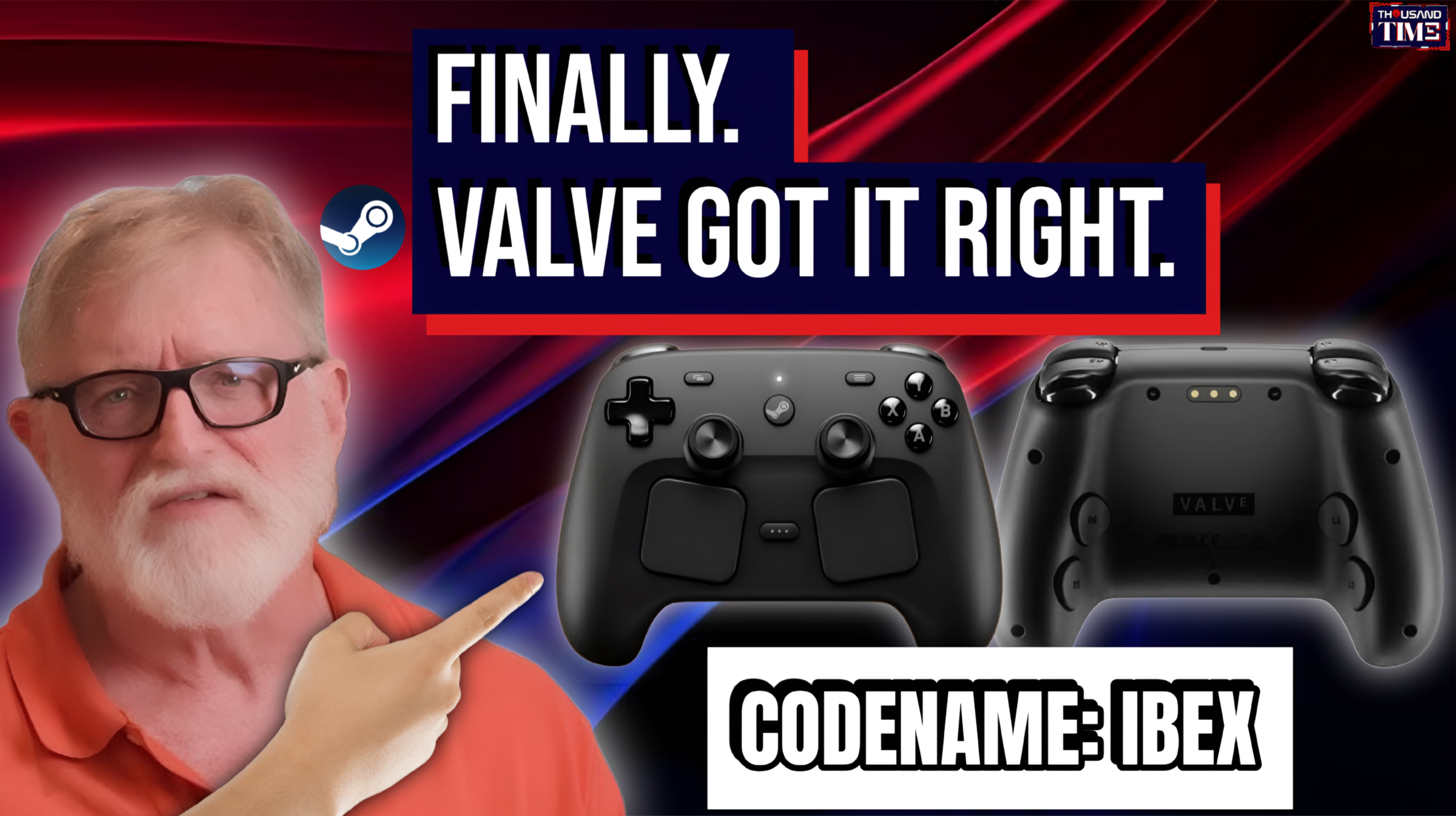
Valve’s $99 Steam Controller 2 skips Hall Effect for TMR magnetic sticks and dual trackpads. Here is why the “Ibex” is quietly rewriting the rules of premium PC gaming peripherals.
The original Steam Controller launched in 2015 to a reaction best described as baffled admiration. It was weird — deliberately, provocatively weird — with a single thumbstick, two circular trackpads where the right stick should have been, and a layout that seemed to dare you to figure it out. It sold 1.6 million units before Valve quietly discontinued it in 2019, leaving a devoted community of modders and firmware tinkerers to keep it alive on their own. For years, the question wasn’t whether Valve would try again. It was whether they’d learned anything from the first attempt.
On May 4, 2026, the answer arrived, priced at $99. What makes the Steam Controller 2 unique for PC gamers isn’t just one thing. It’s a specific set of deliberate choices — each one building on the last — that adds up to something no other controller on the market is actually trying to do.
The Part That Makes Engineers Excited and Everyone Else Should Too
Stick drift is one of those problems that the gaming industry has treated, for an embarrassingly long time, as an unavoidable fact of life. Controllers get used. The potentiometer contacts inside the thumbsticks wear down. Eventually, your character drifts left when you’re not touching anything. You buy a new controller. Valve decided to stop accepting that.
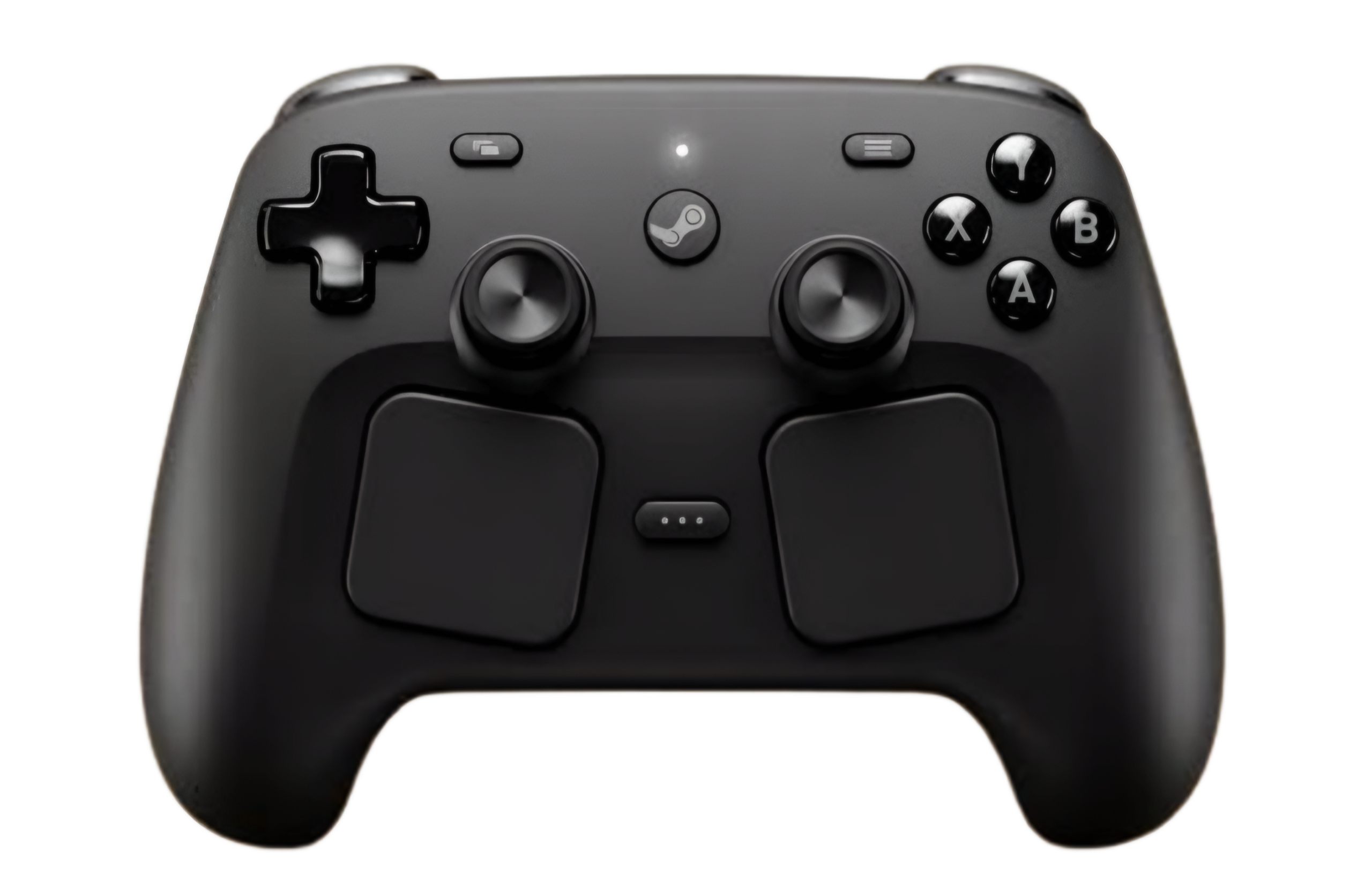
The Steam Controller 2’s analog sticks use Tunnel Magnetoresistance technology — a system that determines positions using magnetic fields rather than physical contact between components. Where Hall Effect sensors (which third-party manufacturers have only recently started adopting widely) already represented a meaningful improvement over standard potentiometers, TMR goes further still, using quantum tunneling physics to detect magnetic field changes with far greater precision and consistency over time. There are no surfaces grinding against each other. Nothing to erode. The mechanism that causes drift, in the traditional sense, simply doesn’t exist here.
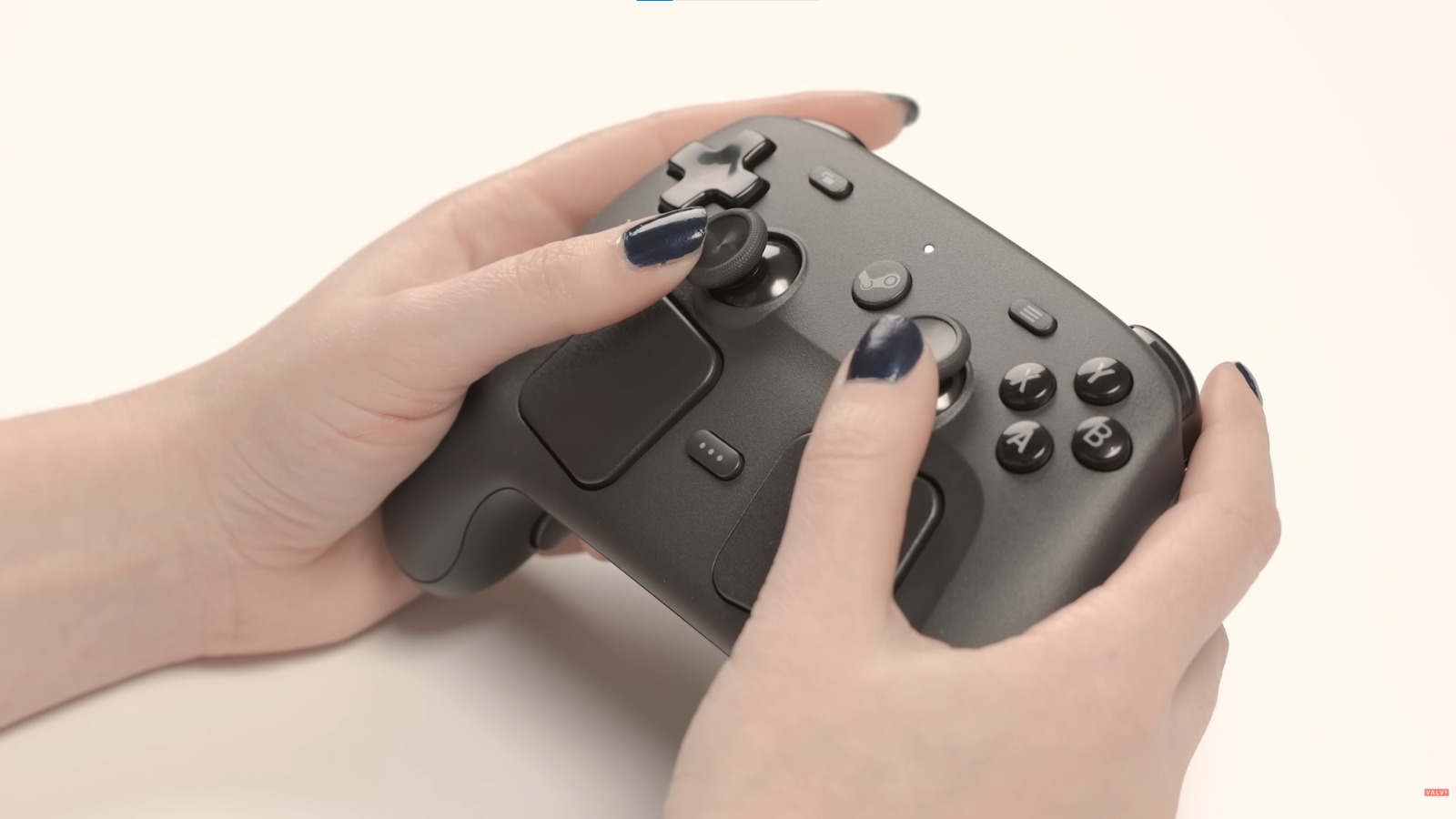
The same class of sensor has been used in the Steam Deck OLED for over a year without widespread reports of drift from that community. That’s a meaningful real-world data point, not just a spec sheet claim.
The significance here extends beyond durability. TMR sticks offer 12-bit precision — a level of granular input sensitivity that most games haven’t been designed around, but that matters enormously in practice for anything requiring fine analog control. Movement in shooters. Camera handling in open-world games. Precision aiming without the gyro engaged. The sticks feel, by early accounts, unusually accurate and responsive, and they do so without the gradual degradation you’d expect from any controller that gets genuinely heavy use.
This is Valve leapfrogging the industry at the exact moment the industry thought it had caught up.
The Trackpads Are Back, and They Actually Make Sense Now
The original Steam Controller’s trackpads were its most divisive feature. To fans, they were the point — a way to bring mouse-like precision to couch gaming. To critics, they felt like a compromise that satisfied nobody. The gaming mainstream largely moved on, and the idea of a controller with prominent trackpads remained niche. The Steam Controller 2 has two of them. Valve is not apologizing.
Each trackpad measures 34.5mm in diameter and supports haptic feedback alongside different pressure levels, allowing precise simulation of mouse movements. But what’s new here matters: these feature pressure-sensitive Force Touch clicks that distinguish between a light hover and a deliberate press, unlocking inputs that no other gamepad can replicate. The distinction between touching a surface and intentionally pressing it becomes a separate, mappable input. That’s a genuinely new dimension of control.
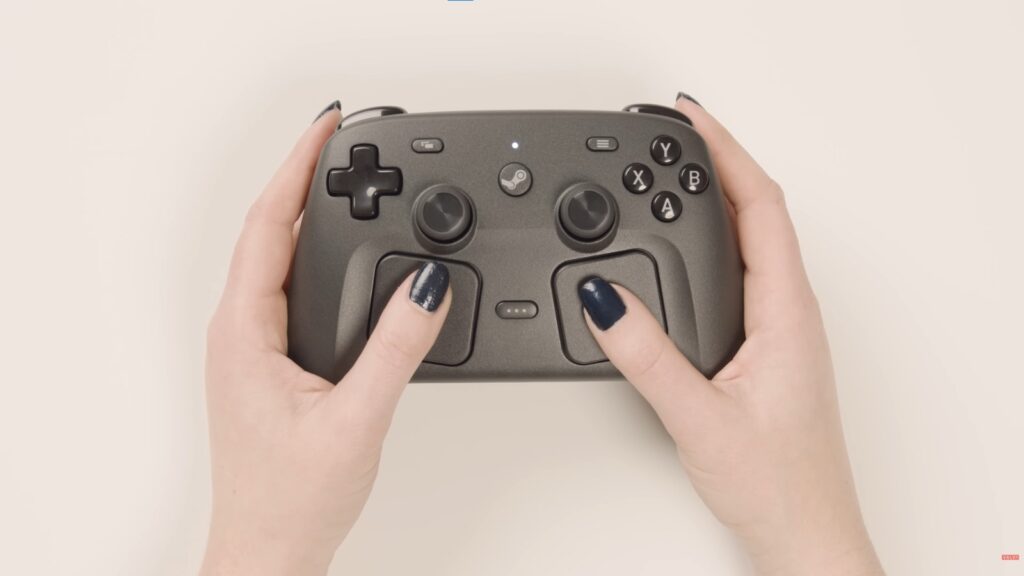
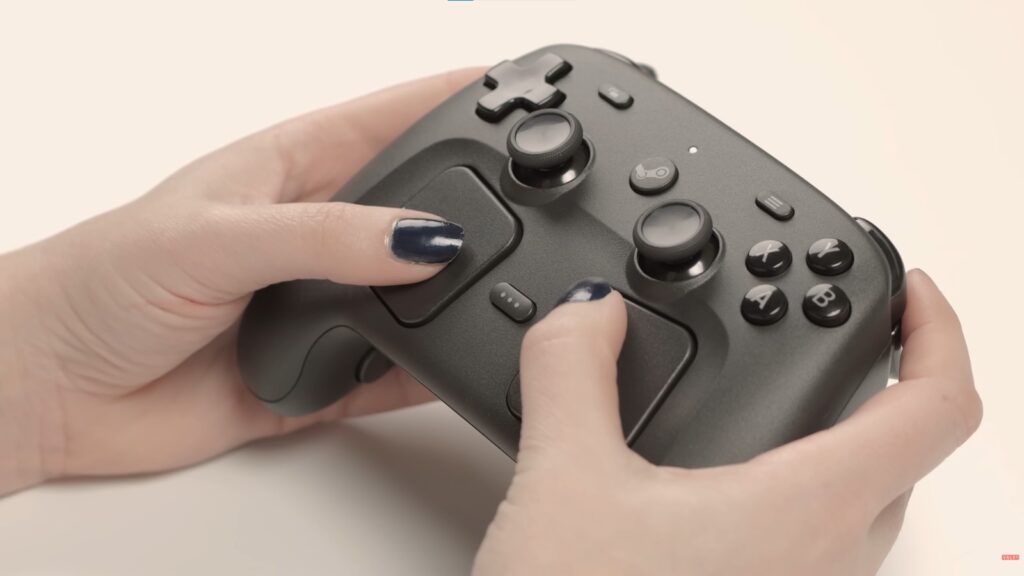
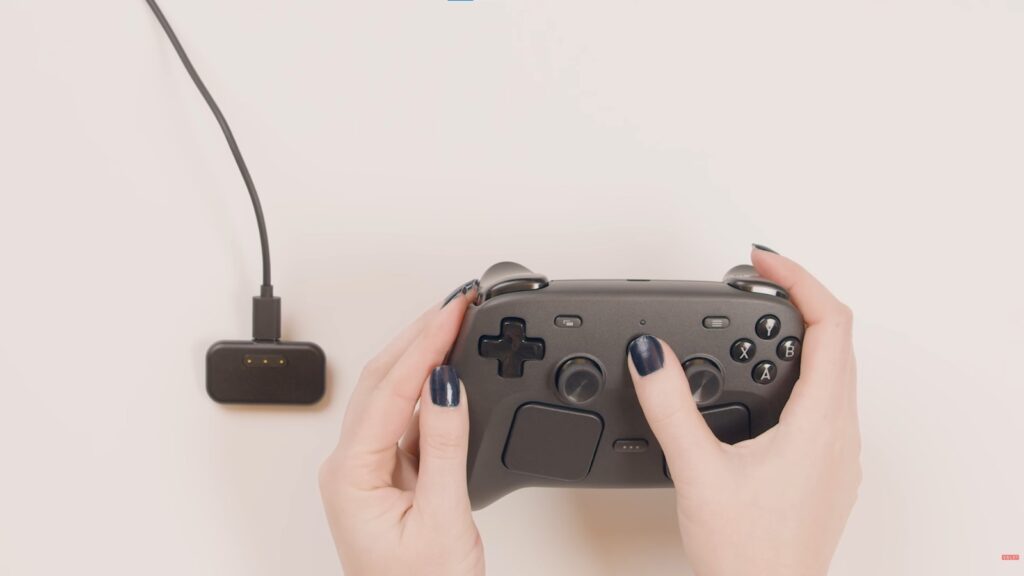
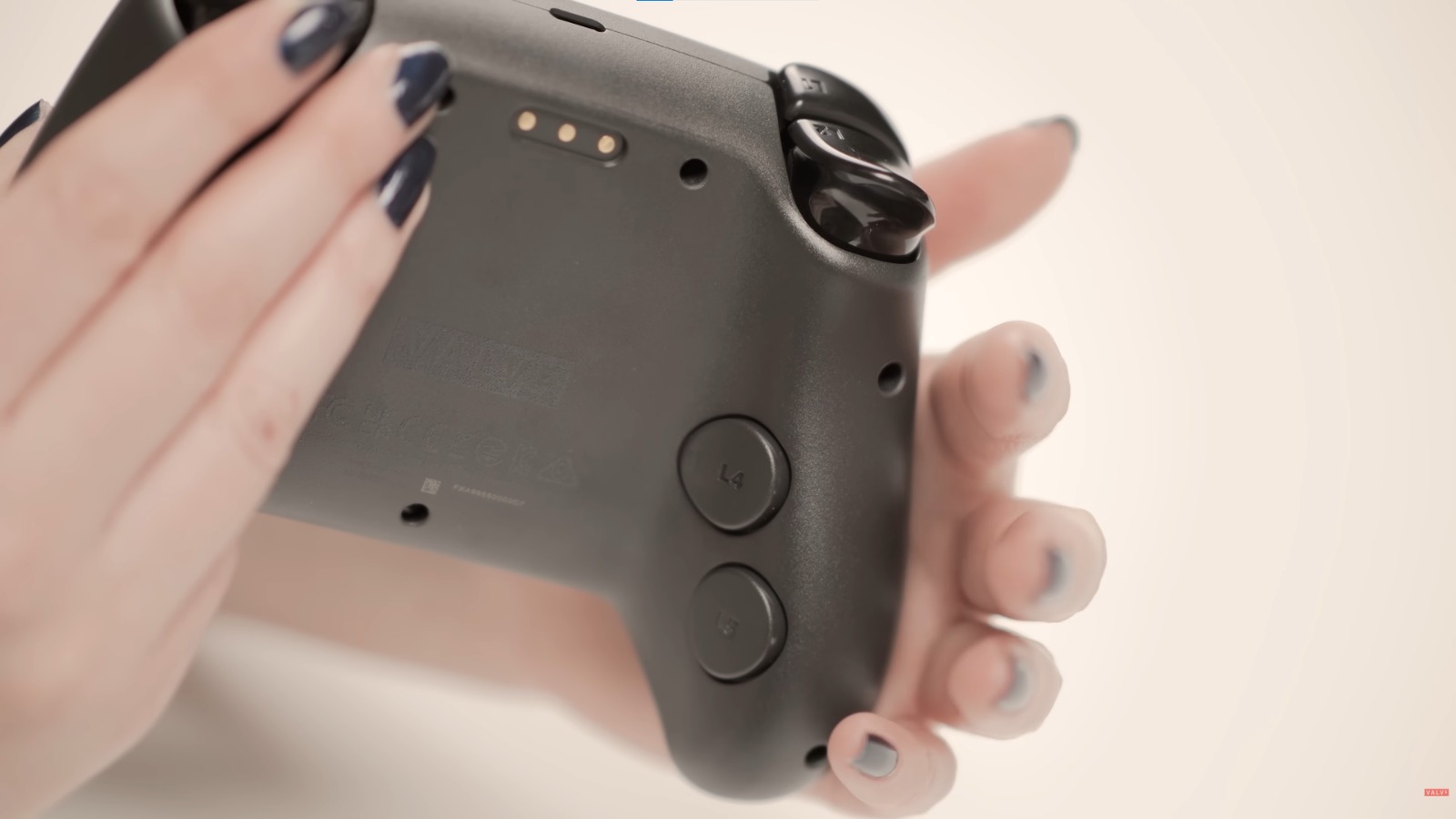
A built-in 6-axis gyroscope enables motion controls, and the Grip Sense function automatically activates the gyroscope when you touch certain areas on the back of the controller or the sticks — no button press required. The result is a system where flicking your wrist for fine aiming corrections in a shooter becomes something that happens naturally, triggered by your grip rather than a deliberate mode switch.
Think about what this means for the genres PC gaming does that consoles have always struggled to replicate from the couch. A real-time strategy game where trackpad cursor control replaces fumbling with a thumbstick. A CRPG where the gyro handles precision clicks without breaking immersion. A competitive hero shooter where the flick-to-aim feels measurably closer to a mouse than any dual-analog setup can manage. Four rear grip buttons, remappable to anything via Steam Input, add another layer of customization that power users have wanted since the Elite Series era began. SolidAITech
This is a controller that was designed around a library — specifically, the Steam library, which contains tens of thousands of games built with keyboard-and-mouse as the assumed input. That’s not an accident.
What $99 Actually Gets You
The pricing conversation around this controller has been interesting to watch unfold. Ninety-nine dollars is not cheap for a gamepad. A standard DualSense retails around seventy-five. A standard Xbox controller is sixty-five. Casual buyers will look at the Steam Controller 2 and feel a small amount of sticker shock.
But the relevant comparison isn’t to standard pads. The relevant comparison is to the DualSense Edge and Xbox Elite Series 2, both of which command prices north of $200. Against those options — which offer back buttons and improved sticks, but no trackpads, no gyro-with-Grip-Sense, and no TMR technology — ninety-nine dollars looks different. It looks, frankly, aggressive.
Valve sells the Steam Controller 2 exclusively through the Steam Store, eliminating retail markup and allowing the $99 price to hold without middleman inflation. That’s a conscious business decision that also functions as a philosophical statement: this is a product for Steam users, sold through Steam, designed around Steam. The ecosystem is the product.
Valve also partnered with iFixit for repairability, with official spare parts and 3D-printable accessories available post-launch. In an era when most controllers are designed to be replaced rather than repaired, that commitment is notable. It affects the real cost of ownership in ways that don’t show up on the price tag.
The controller launched, sold out in thirty minutes, and crashed Steam’s payment processing servers in the process. Valve’s response was measured: they acknowledged the sellout, confirmed restocks are coming, and said they were working to get units to people faster. Not the smoothest launch logistics. But it does rather clearly indicate that the market for a serious, PC-native gaming controller exists — and has been waiting.
A Peripheral That Knows What It Is
The most interesting thing about the Steam Controller 2 is how comfortable it is with its own specificity. It does not try to be everything to everyone. It is not the right controller for someone who plays primarily on PlayStation and occasionally boots up a PC game. It is not optimized for competitive fighting games, or for casual use across multiple platforms without configuration.
What it is — clearly, deliberately — is the best possible dedicated input device for someone who has a large Steam library, wants to play from their couch, and has grown quietly frustrated that no standard gamepad could ever quite handle a CRPG, an RTS, or a precision shooter the way the platform deserved.
The original Steam Controller was, in the words of one retrospective, a fascinating failure — too different, too soon, too unwilling to compromise. The 2026 version absorbs that lesson without abandoning the ambition. It’s built for the same purpose. It just has eleven more years of context behind it.
Thousandtime Thoughts
For most of gaming history, the controller question had a simple answer: buy whatever the console uses. Input design followed platform design, and platform design followed the mainstream. PC gaming’s complexity — the sheer breadth of its library, the genres that never translated cleanly to a gamepad — was treated as a compatibility problem to be tolerated, not solved.
Valve is asking a different question. What if the controller was designed around the library, rather than the other way around? What if PC gaming’s sprawling, genre-spanning chaos is actually an argument for more sophisticated input, not a reason to simplify down to dual analog?
The “Ibex” isn’t just a peripheral. It might be a thesis statement about where PC gaming input needs to go — and what it’s been missing all along.
PRODUCT IN THIS POST
STEAM CONTROLLER GEN 2
Content you might like after reading this
Asus ROG Cetra Open Wireless Review: Are Open Ear Earbuds Good For Gaming?
NASA Artemis Watch 2.0: The Smartwatch You Can Reprogram
Is the MacBook Neo Good for Students? Real-World Test
Surface Pro 11 Long-Term Review: The 2026 Reality Check

Galaxy Buds 4 Pro Without a Samsung Phone: The Reality

The iKKO Mind One: 2026’s Most Fascinating Smartphone Identity Crisis
Samsung Galaxy S26 Ultra: How It Mastered Concert Zoom, AAA Gaming & Ambient AI
Zenbook Duo Review: Can One Laptop Replace Your Entire Office?
How the 8.1mm Pebble Round 2 Champions Fashion-First Wearables Over Function-First Specifications in 2026