When a gaming mouse costs as much as a budget GPU, we have to ask: are you paying for aim precision, or just high-end desk jewelry?
Picture the modern high-performance gaming desk — not the one from 2015, drowning in RGB strips and branded mousepads the size of a small country. The new version is quieter. Deliberate. A matte aluminum monitor arm, a sixty-percent keyboard that cost more than most people’s first PC build, and sitting at the center of it all, a mouse that looks like it was machined for a satellite component rather than a first-person shooter. This is the world the AM Infinity was designed for. And if you’re already asking whether the AM Infinity mouse is worth it for gaming, you already sense that the answer is going to be more complicated than the spec sheet suggests.
The AM Infinity doesn’t exist in the same category as a standard premium gaming mouse. It exists in a different conversation entirely.
The Specs vs. The Flex
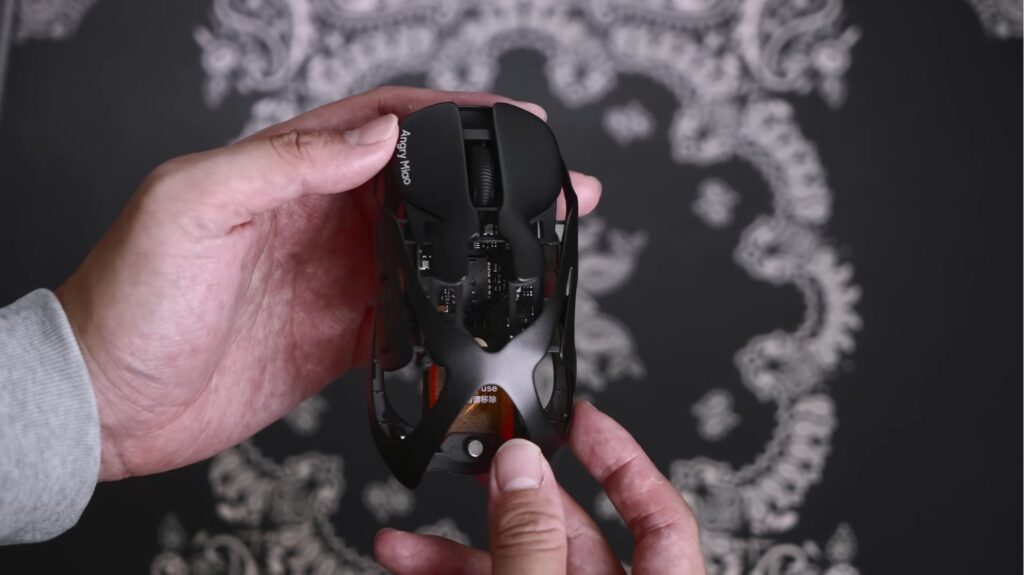
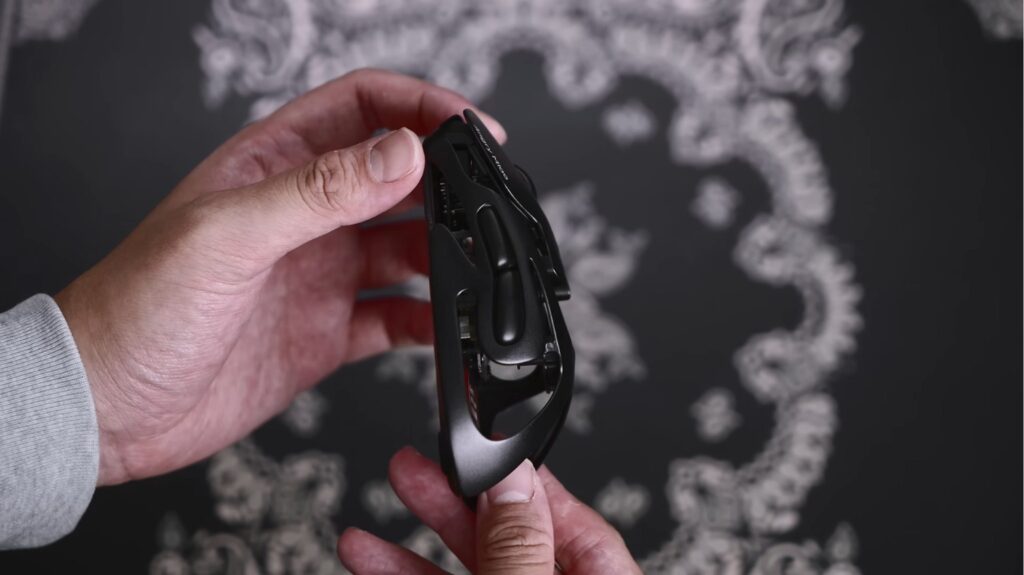
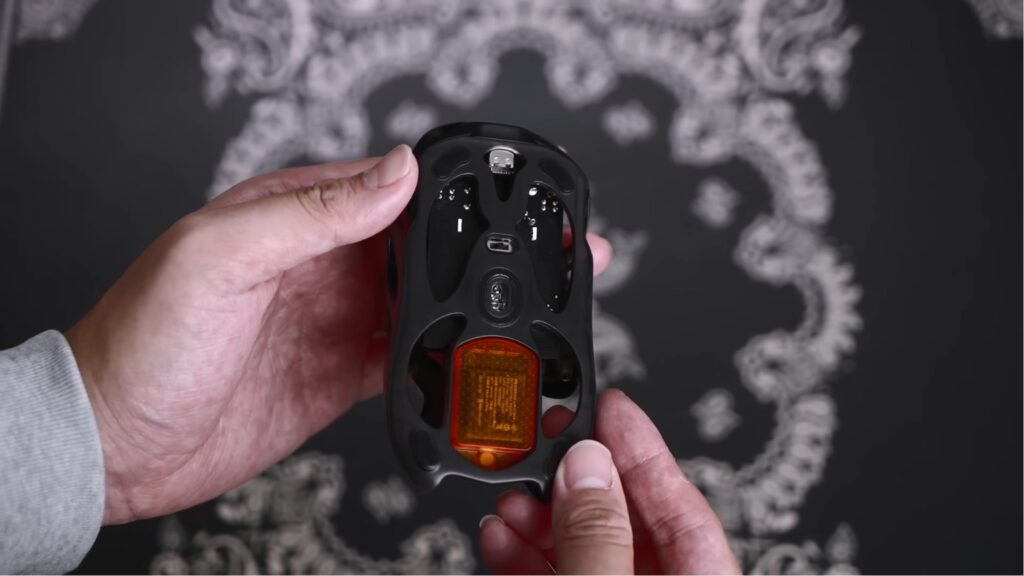
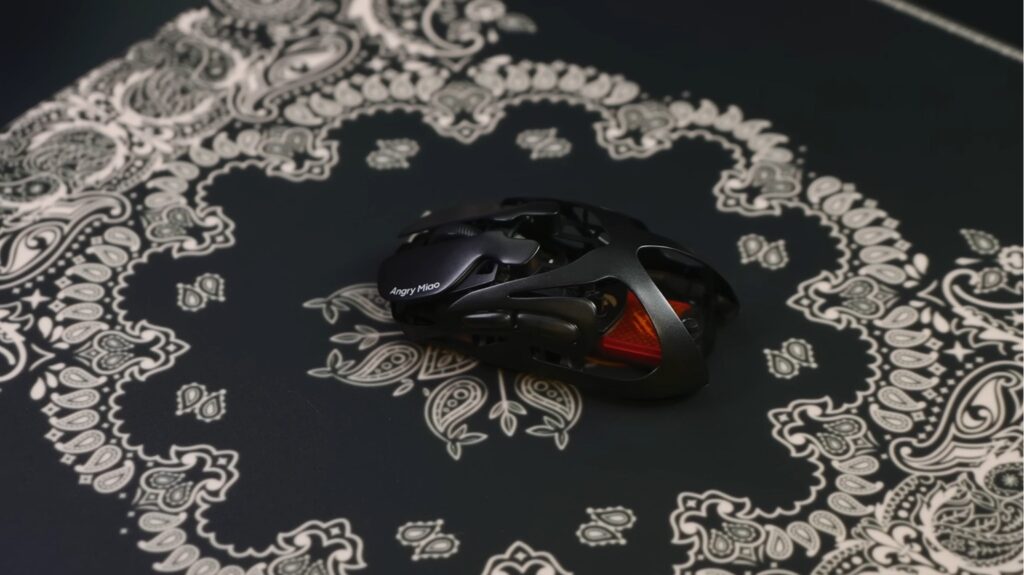
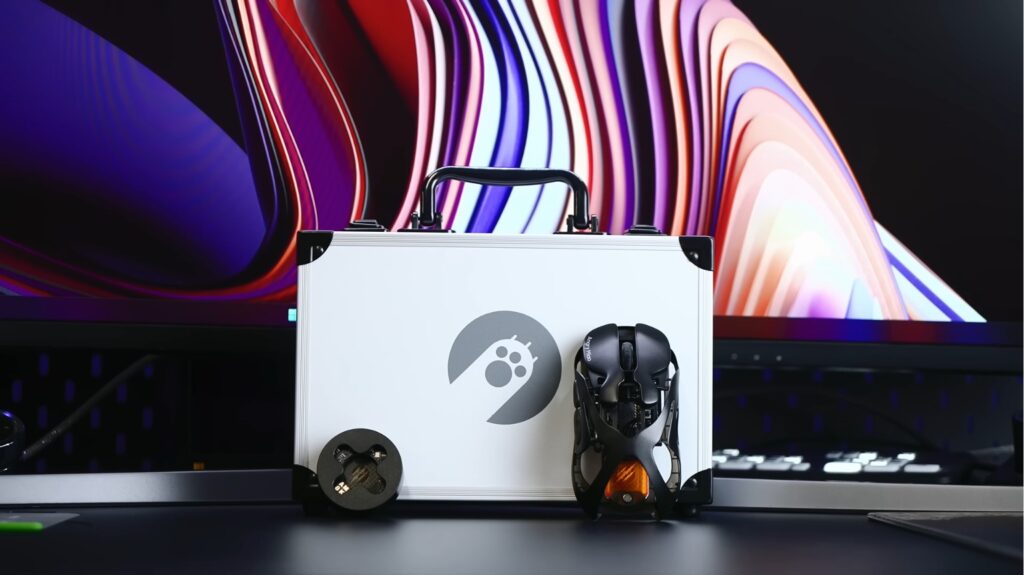
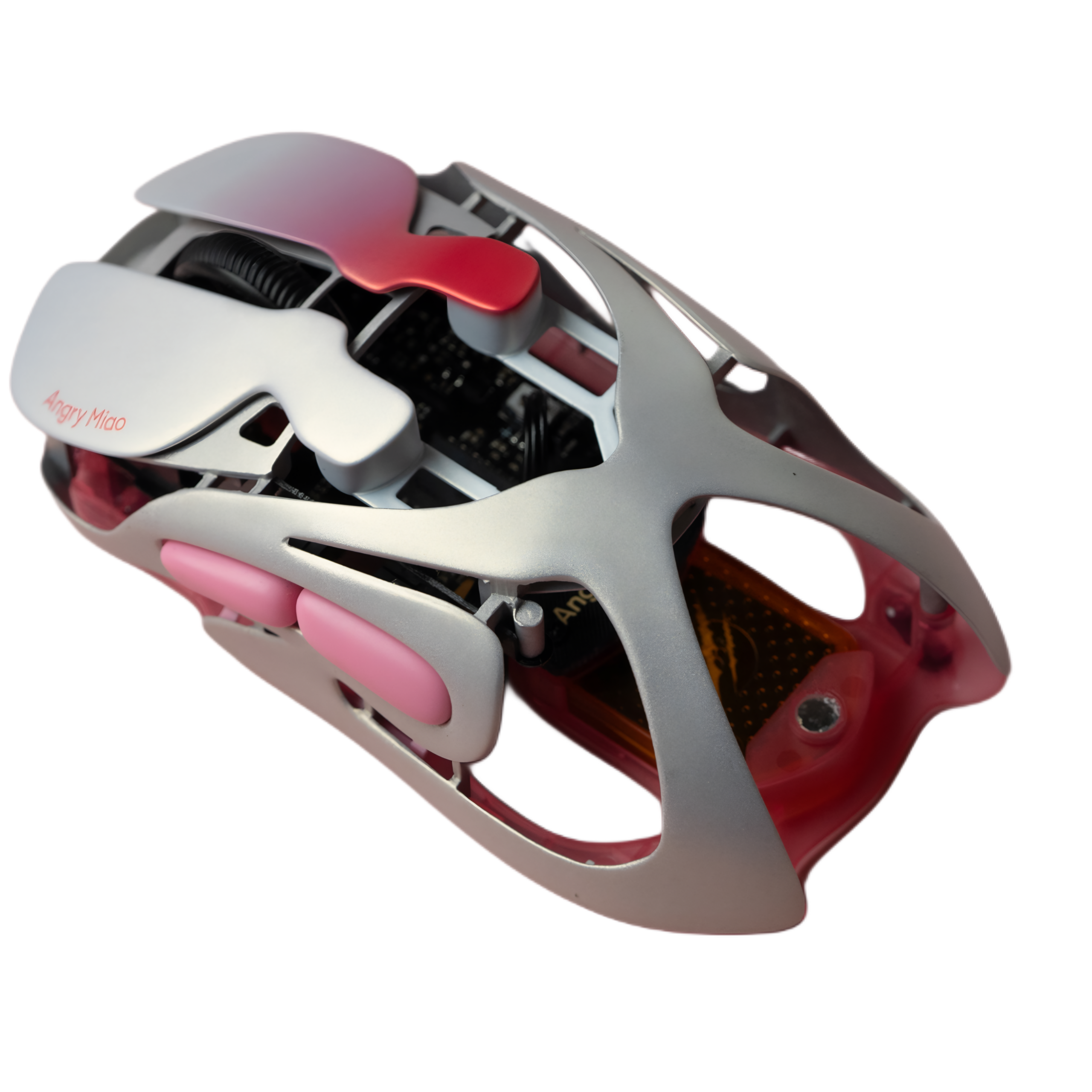
The build quality is the first thing anyone notices — and likely the thing that justifies most of the price tag in the mind of the buyer. Aerospace-grade materials, zero-flex structural rigidity, a chassis that doesn’t creak, bend, or give anywhere, ever. Pick it up and it communicates something immediately: this was not made carelessly. In a market full of hollow plastic shells that feel fine until you squeeze them slightly too hard, the AM Infinity feels like a finished product in a way that very few peripherals do.
The sensor is flagship-tier. Tracking is precise, consistent, and behaves exactly as expected at high DPI and low. There are no surprises there, and there shouldn’t be at this price. What the AM Infinity offers in sensor performance, though, is broadly comparable to what you’ll find in competitors that cost a fraction of the price. The PixArt sensors powering the top tier of competitive mice have been excellent for a few years now, and the gap between “good” and “great” at the flagship level has narrowed considerably.
Where things get more interesting is weight and weight distribution. The AM Infinity is not chasing ultralight numbers. This is a deliberate choice, and depending on your playstyle, it’s either a non-issue or a dealbreaker. Players who have spent years training muscle memory around a 45-gram featherweight mouse will feel the difference immediately. The AM Infinity’s weight carries differently — more planted, more intentional. It doesn’t glide effortlessly so much as it moves with a sense of authority.
Does that translate to better aim? For some players, genuinely yes. For others, no — and no amount of aerospace engineering will change the physics of what your wrist prefers.
Who This Mouse Is Actually For
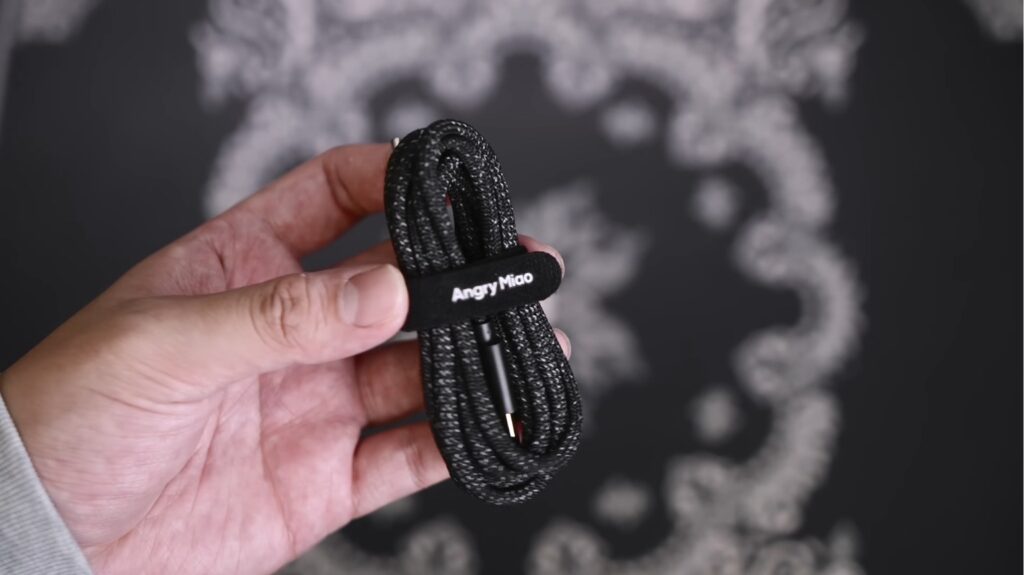
The AM Infinity makes complete sense for a specific type of person. That person treats their desk as a curated space rather than a functional workstation. They’ve built a custom water-cooled loop, specced out an aluminum keyboard with a $60 cable coiled like a sculpture, and they care deeply about the tactile and visual coherence of every object within arm’s reach. For this person, the AM Infinity isn’t an extravagance — it’s the logical conclusion of a philosophy they’ve already committed to. The mouse completes something.
It also makes sense for anyone who finds the zero-flex build quality genuinely meaningful to how they interact with hardware. There’s a real argument that confidence in your tools affects how you use them, and a mouse that feels absolutely solid in hand contributes to that confidence in a way that’s difficult to quantify but not difficult to feel.
Who should probably look elsewhere? Competitive grinders whose only metric is tracking performance and weight. If you’re climbing ranked ladders and every gram matters, the AM Infinity is not optimized for you — and it doesn’t pretend to be. You can get equivalent sensor performance in a lighter shell for significantly less money. The honest answer for that profile is: buy the Superlight, save the rest.
Budget-conscious players, obviously, don’t need to be told this isn’t their mouse. But there’s a third category worth mentioning: the person who wants to feel like a premium buyer without having fully committed to the aesthetic ecosystem the AM Infinity belongs to. Dropping this mouse onto a generic desk surrounded by budget peripherals won’t unlock anything. The mouse will feel excellent, but something about the mismatch will quietly bother you. These products reward context.
When Gaming Gear Started Behaving Like Sneakers
The most culturally interesting thing about the AM Infinity isn’t the mouse itself. It’s what its existence signals about where the peripheral market is heading.
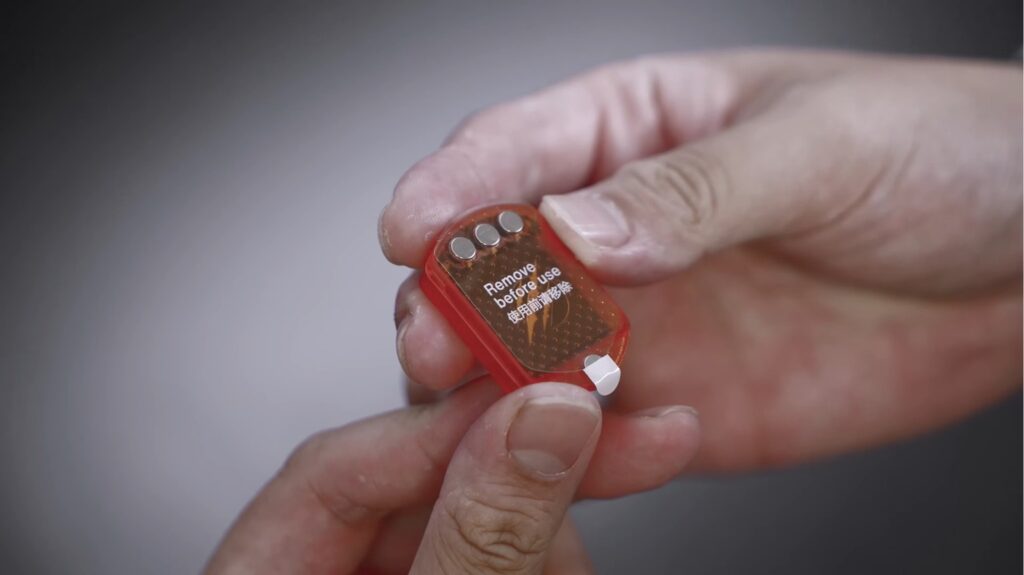
There’s a recognizable pattern here. Limited drops. Considered unboxing experiences that feel closer to opening a Japanese stationery brand than a gaming accessory. Marketing that leans into material science and manufacturing heritage rather than frame rates and esports partnerships. These are not random choices. They are a deliberate repositioning of gaming peripherals into the language of luxury goods — and it’s working.
The mechanical keyboard community figured this out years ago. A group buy for a custom aluminum keyboard can run to $400, $600, sometimes more, with a waitlist measured in months and a secondary market that treats colorways like collectibles. That community built an entire culture around the idea that input devices could be objects of genuine craft and desire, not just functional tools you replace when they break.
Gaming mice are now following the same trajectory. The AM Infinity is one of the clearest examples yet, but it won’t be the last. What’s happening is a fundamental shift in how a certain segment of gamers relate to their hardware — not as disposable kit, but as considered purchases that reflect taste, identity, and belonging to a community with high standards.
Buying into something like the AM Infinity is, in part, buying into membership. That’s not a criticism. It’s just worth naming clearly, because once you see it, the pricing starts to make a different kind of sense.
The question of whether you’re paying for performance or paying for status has always been present in consumer hardware. What’s new is that the gaming industry is finally leaning into the latter openly, without apology, and finding an audience ready for exactly that.
Thousandtime Thoughts
The AM Infinity is excellent hardware. It is also not the right tool for everyone, and it was never trying to be. It represents a deliberate choice to build something for a specific sensibility — a sensibility that values material quality, considered design, and the experience of owning something that feels genuinely premium, not just premium-priced.
If that sensibility resonates, the AM Infinity delivers on its promise. If you came here looking for a competitive edge measured in milliseconds and grams, the math simply doesn’t favor it. Plenty of excellent, lighter mice exist at a fraction of the cost.
But the more interesting thing to sit with is this: the question itself — is this worth it — is becoming increasingly complicated to answer when “worth it” no longer means the same thing to everyone buying gaming gear in 2026. For some, worth is measured in latency. For others, it’s measured in how the object makes them feel every time they reach for it.
Both are legitimate. The AM Infinity just happens to be betting on the second group — and judging by the direction the market is moving, that’s not a bad bet.
PRODUCT IN THIS POST
AM Infinity Gaming Mouse
Content you might like after reading this
Is the LGG Saturn Pro…
AM Infinity Review: When a…
Valve’s Ibex Just Rewrote the…
Is the Corsair Vanguard Air…

Should You Wait for the…
Best Controller for Docked ROG…
GPD Win 5 Review: Can…
AndaSeat Novice Review: The “Stealth”…
Razer Viper V3 Pro vs.…
How Intel’s New “Binary Tool”…
The Mountain Everest Max: Is…

SteelSeries QcK Review (2026): Still…
Why the Sony WH-1000XM6 Claims…