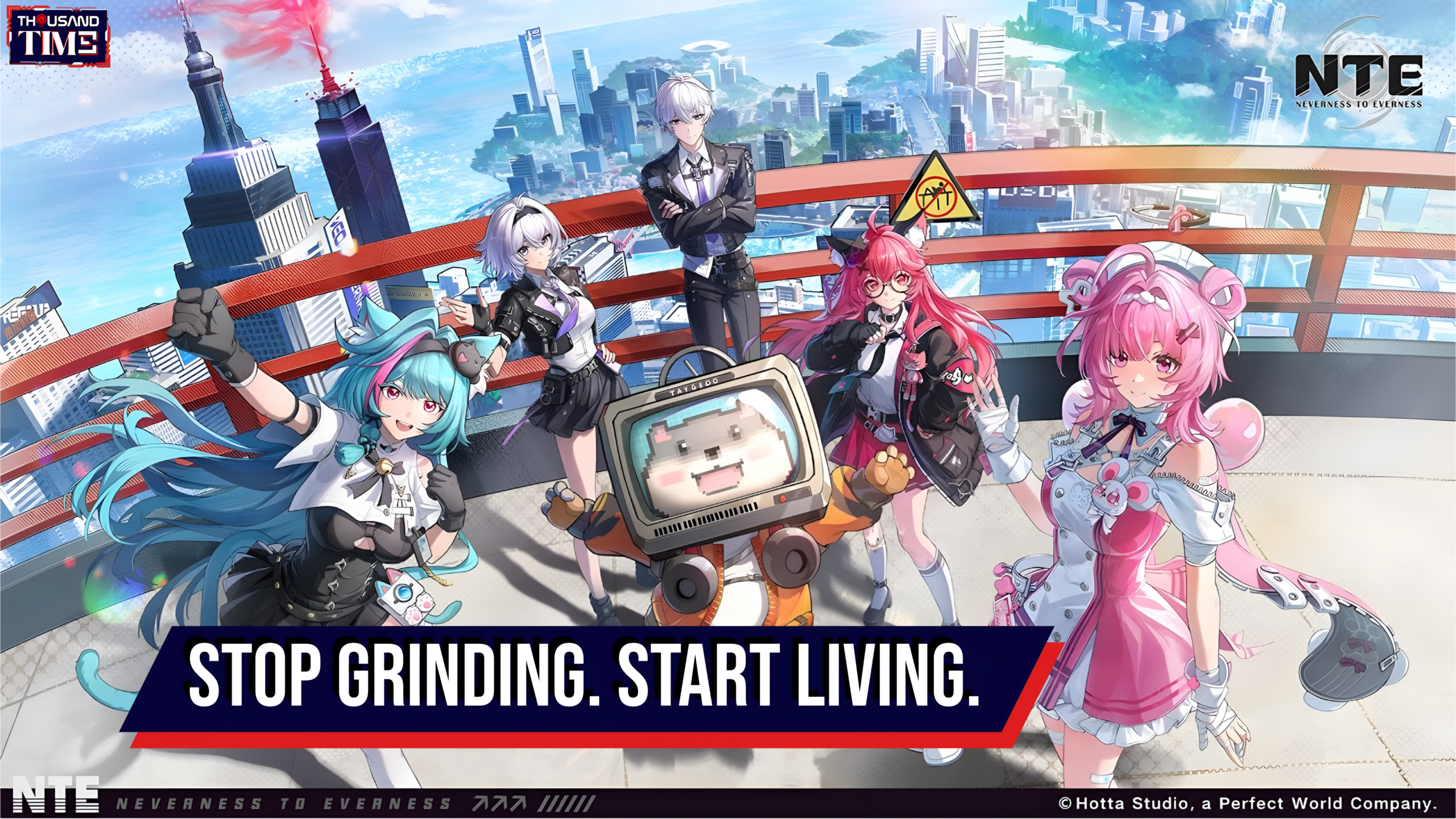
Tired of the endless daily combat grind? Hotta Studio’s new release ditches the sweaty domain runs for a fully drivable, supernatural urban lifestyle simulator.
At some point in the last two or three years, playing a gacha game stopped feeling like leisure and started feeling like a second job with worse benefits. Log in. Spend resin. Do your dailies. Farm the same domain for the fourteenth week in a row hoping the right stat rolls on the right piece of gear. Log out feeling vaguely hollow. Repeat.
It’s a design loop that once felt exciting, then tolerable, and now — for a growing share of players — genuinely exhausting. The genre that Genshin Impact effectively reinvented for a mainstream audience in 2020 has spent the years since perfecting its ability to make players feel perpetually behind.
So when Neverness to Everness launched globally on April 29, 2026 — built in Unreal Engine 5 by Hotta Studio, available on PC, PS5, and mobile — the real question wasn’t whether it could compete on combat. It was whether it understood why you should play Neverness to Everness at all, and whether its answer was more interesting than “better DPS rotations.”
You Came to Hunt Anomalies. You’ll Stay for the Real Estate
NTE is set in Hethereau, a dense supernatural metropolis where anomalies — paranormal disturbances that range from sentient graffiti to photography studios that invert into photo negatives — bleed into the texture of ordinary city life. You play as an unlicensed Appraiser working out of Eibon, an antique shop that doubles as your base of operations and stays afloat by taking on anomaly commissions from the public.
Hethereau is a real city. Not a backdrop, not an arena dressed up with ambient NPCs — a functioning urban space with day-night cycles, dynamic weather, rooftops you can wall-run across, and streets you can drive through in fully customizable vehicles with first-person perspective. You can buy an apartment, furnish it with Anomaly Furniture that carries functional properties, and spend an afternoon decorating it. You can manage your antique shop like a tycoon mini-game. You can fish. You can play Mahjong. You can put on Persona 5 music through the in-game Walkman and just cruise.
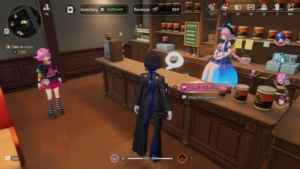
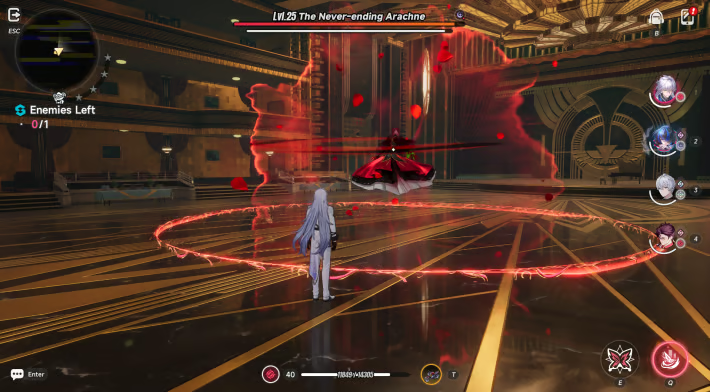
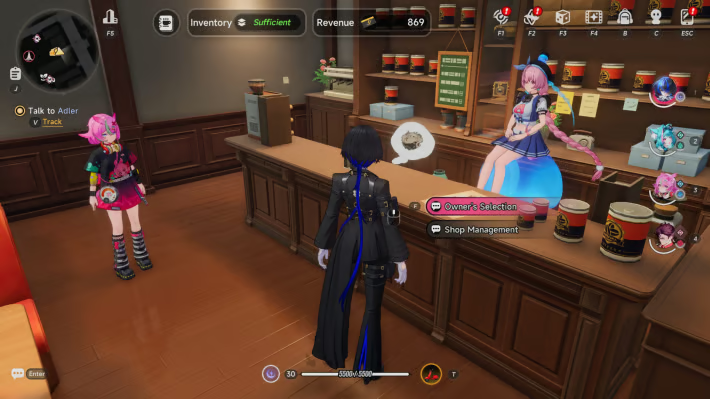
The description sounds absurd when listed out. In practice, it produces something that the gacha genre has rarely attempted and almost never pulled off: the feeling of actually living somewhere.
That distinction is what “Anime GTA” — the shorthand that’s been circulating in communities since the game’s beta — is really pointing at. It’s not that the game resembles GTA mechanically. It’s that it replicates the specific feeling of GTA’s urban freedom: the ability to ignore everything on your objective list and simply exist in the world, following whatever catches your attention. A street race. An anomaly event that pops up organically as you’re driving past. A character you want to call on your in-game phone because the conversation trees are genuinely good.
Who This Game Is Actually For (An Honest Answer)
NTE is not a game for everyone, and it’s worth being direct about that rather than talking around it.
If you play Zenless Zone Zero primarily for its combat — the precise parry windows, the high-speed instance clearing, the surgical rotation optimization — NTE is going to feel loose by comparison. ZZZ’s core exploration happens inside Hollows: contained, deliberate, designed for players who want their skill to be legible and measurable. The streets of New Eridu are vibrant, but they’re a hub between sessions rather than the session itself. NTE inverts that entirely. Its city is the experience. The combat is functional and shows real promise through team synergy and coordinated ultimates, but it’s not the reason you open the app.
Genshin Impact comparison is slightly more nuanced. Both games offer genuine open-world freedom, and players who love wandering Teyvat looking for hidden chests and environmental storytelling will find a natural analog in Hethereau. The difference is register: Genshin’s world is fantastical and painterly; Hethereau is urban, grounded, and wired. One feels like a fairy tale. The other feels like Tokyo at 2am.
The players who will get the most from NTE are the ones who have been quietly burned out by combat grind but haven’t found something else to hold onto. Casual explorers. Players who log into a game and just want to roam. People who find city life simulation genuinely compelling. Anyone who has ever sunk forty hours into a game just decorating a virtual space and felt zero guilt about it.
The gacha system reinforces this welcoming posture. NTE’s “Scarborough Fair” pull mechanic replaces the standard banner with a dice-board system where every roll lands on a reward — currency, items, or characters. Crucially, limited-character boards come with a guaranteed S-Class pull and no 50/50. You pull for the featured character, you get the featured character. For players who have spent real money into the 50/50 coin flip and lost it repeatedly, that’s not a small thing.
What Players Are Actually Asking For
The community feedback circulating since launch gives an honest portrait of the game’s rough edges — and importantly, the nature of those rough edges is revealing.
Nobody is complaining that the combat isn’t deep enough. The consistent asks from players are almost entirely immersion-related: NPCs that behave more organically rather than moving in visible loops; side quests that surface on the map without requiring manual tracking first; more variety in the in-game radio stations, which can start to repeat noticeably during extended driving sessions.
These are not the complaints of players who wish the game was different. They are the complaints of players who are so invested in the world that they want it more convincing. The distinction matters. When your core community is asking for better NPC behavior rather than harder combat tiers, you have built something that is working in the way you intended.
Then there’s the proper wishlist — the things players haven’t gotten yet but feel like natural extensions of what NTE is already doing.
✦ The Social Sports Scene Nobody Asked For (But Everyone Wants)
Players are asking for something competitive but casual — a basketball court in an empty lot, a tennis wall down by the waterfront, a space where you can challenge another player to something low-stakes and spontaneous rather than coordinating a full co-op raid. The kind of minigame that emerges from city life rather than being bolted onto it. Hethereau already has street racing woven into its DNA. Multiplayer sport feels like the same instinct applied to a slower, more social gear. The appetite isn’t for a sports game. It’s for the kind of drop-in, drop-out activity that turns a shared virtual space into an actual neighborhood.
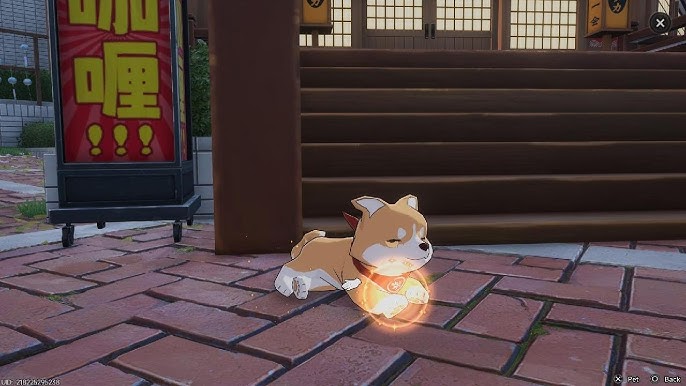
✦ A Pet System Would Change Everything About Coming Home
The apartment system is one of NTE’s quieter successes. Players have latched onto it in a way that suggests it’s filling a real need — a space to personalize, to return to, to treat as a home base rather than a menu screen. The next natural step, according to a vocal portion of the community, is a pet system.
It’s a small addition on paper. In practice, it would fundamentally change the emotional texture of returning to your apartment after a long anomaly commission. A cat on the couch. A dog that greets you at the door. Something alive in the space. Games like this tend to underestimate how much that kind of detail contributes to the sense that the world actually cares whether you show up.
✦ Getting Around: The Case for More Wheels (and a Few Wings)
The driving system is already one of NTE’s strongest hooks, but the community’s wishlist for traversal goes considerably further than four wheels and a racing event. Players are asking for skateboards, bicycles, and roller skates — slower, more intimate ways of moving through the city that would suit the quieter, exploratory side of Hethereau far better than a sports car. There’s a version of this game where you skate through a night market at dusk with Persona 5 playing through your Walkman, and it sounds genuinely appealing.
The more ambitious asks are boats and aircraft. Hethereau’s geography already hints at waterways and elevated terrain that feel underutilized from a traversal standpoint. Boats would open the waterfront as a navigable space rather than scenery. A glider or small aircraft would turn the city’s skyline into something players can actually move through rather than just look up at. Whether Hotta Studio expands the map to justify all of that is an open question — but the desire signals something meaningful. Players don’t want to leave the city. They want more of it.
None of these are complaints about what the game is. They are expressions of what players want it to become. For a live-service game building toward a long future, that’s probably the most useful signal Hotta Studio could hope for.
The story is another area where players have been honest about the slow start. The early chapters take time to build momentum, and the way level locks can interrupt narrative flow creates friction in the first several hours. It’s a real issue — the game asks for patience before it delivers. Most who push through seem to feel it was worth it. But prospective players should know it going in.
Thousandtime Thoughts
The interesting thing about Neverness to Everness is not that it added lifestyle features to a gacha game. It is that it made the lifestyle features the game. That is a different product decision, and it has measurable consequences for player retention.
When your daily activities include returning to an apartment you decorated, checking in on a business you are running, and planning a drive across a city you are beginning to know — those are the same loops that keep players in games like Animal Crossing for years. They are not exciting in the traditional sense. They are sticky in a quieter way.
The question for Hotta Studio is simple: can they keep building on that city fast enough to sustain the attachment? A living city that stops feeling alive is harder to forgive than a combat system that stops feeling challenging. Players who log in for a world expect the world to grow. That expectation is NTE’s biggest advantage and its most significant ongoing obligation.
GAME IN THIS POST
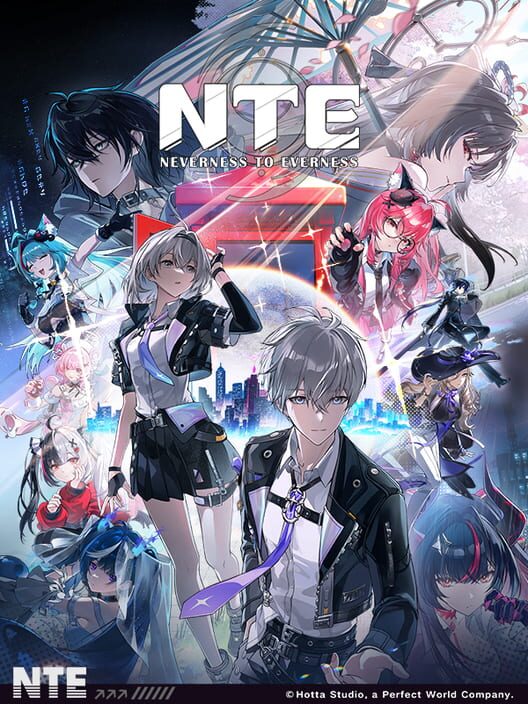
Neverness To Everness
Content you might like after reading this
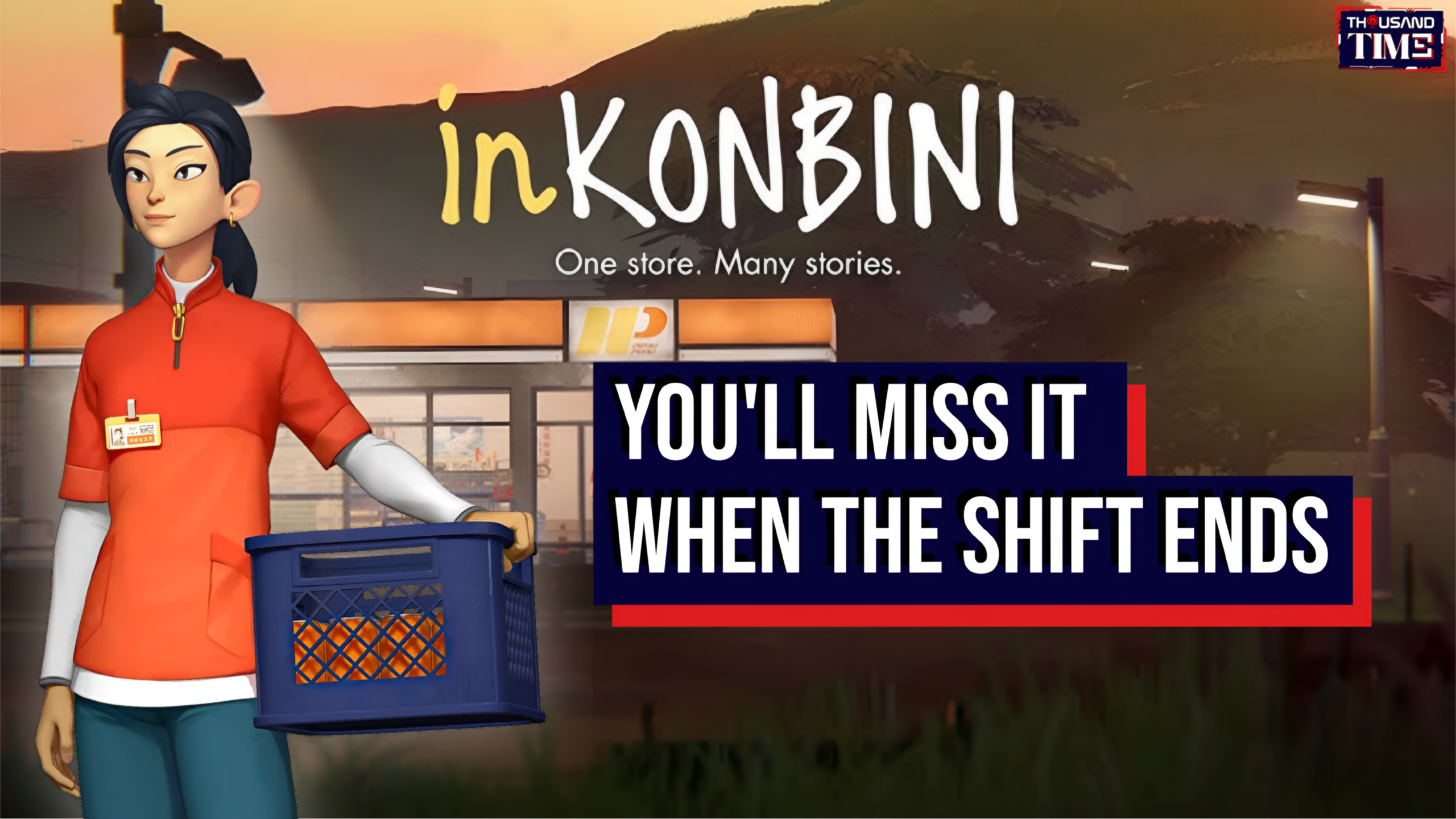
inKonbini: The Cozy Game That Finds Meaning in a Convenience Store
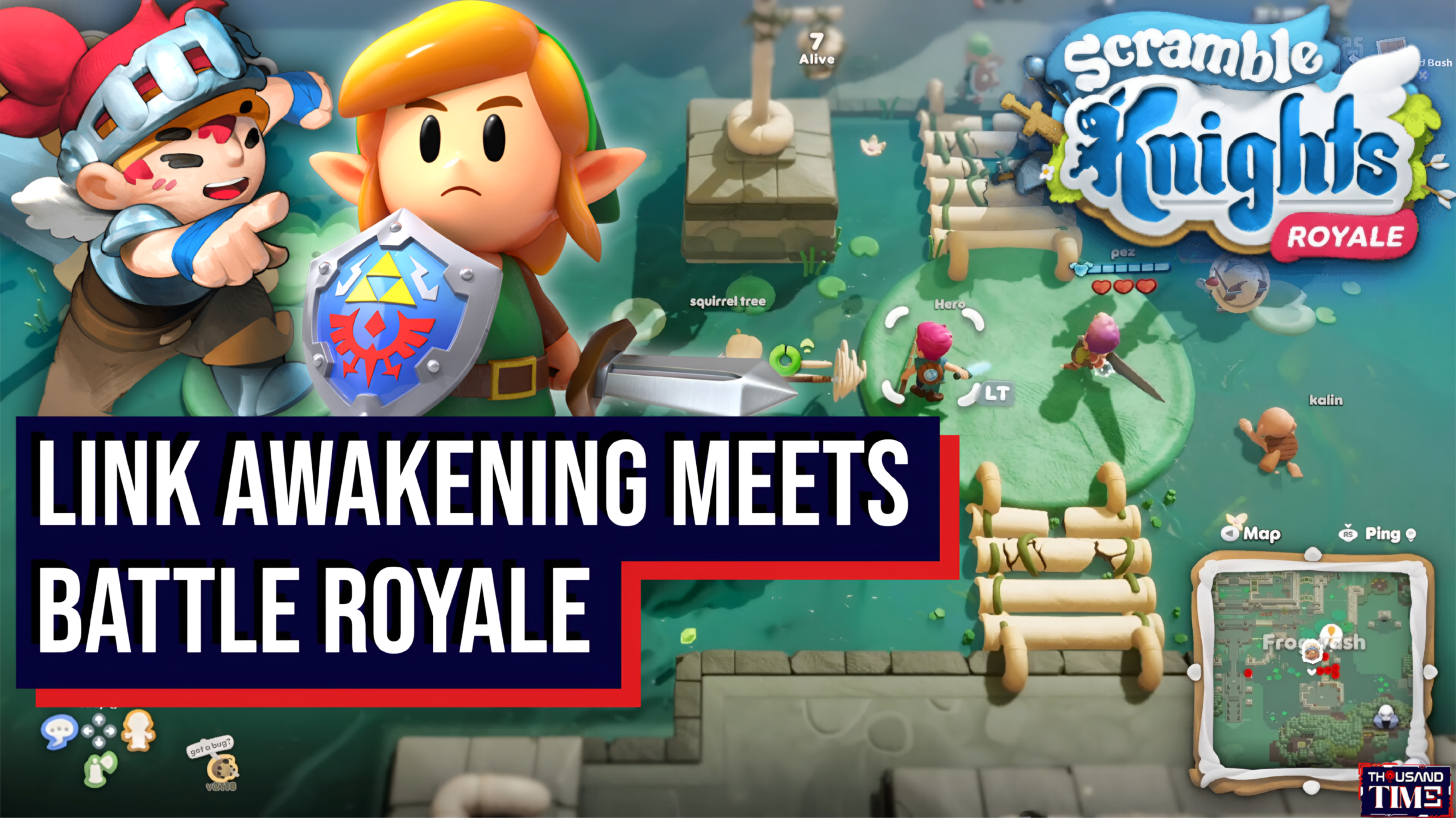
Scramble Knights Royale Explained: The Zelda-Style Battle Royale
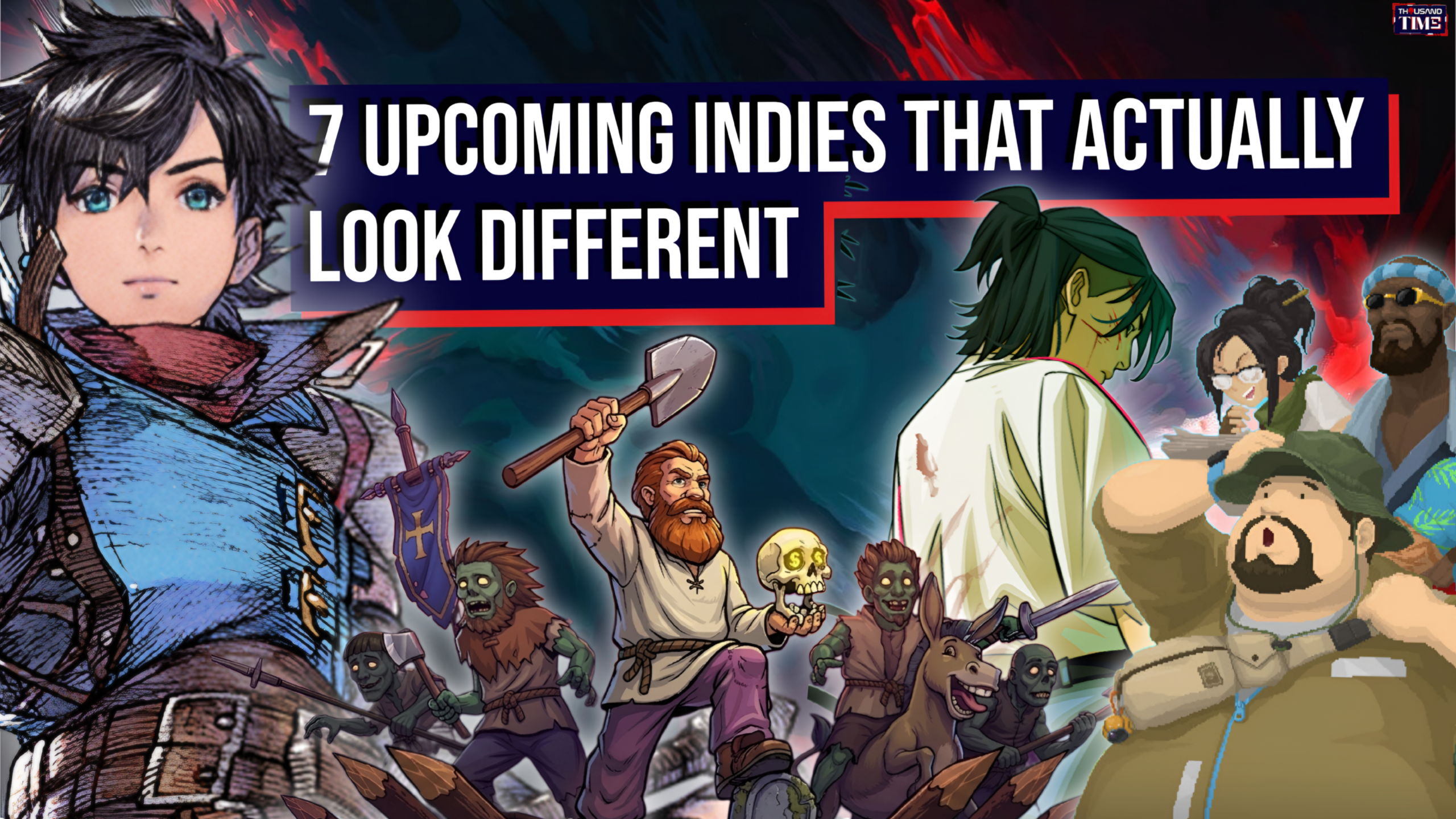
7 Best Indie Simulation & RPG Games to Wishlist in 2026 | Thousand Time Version
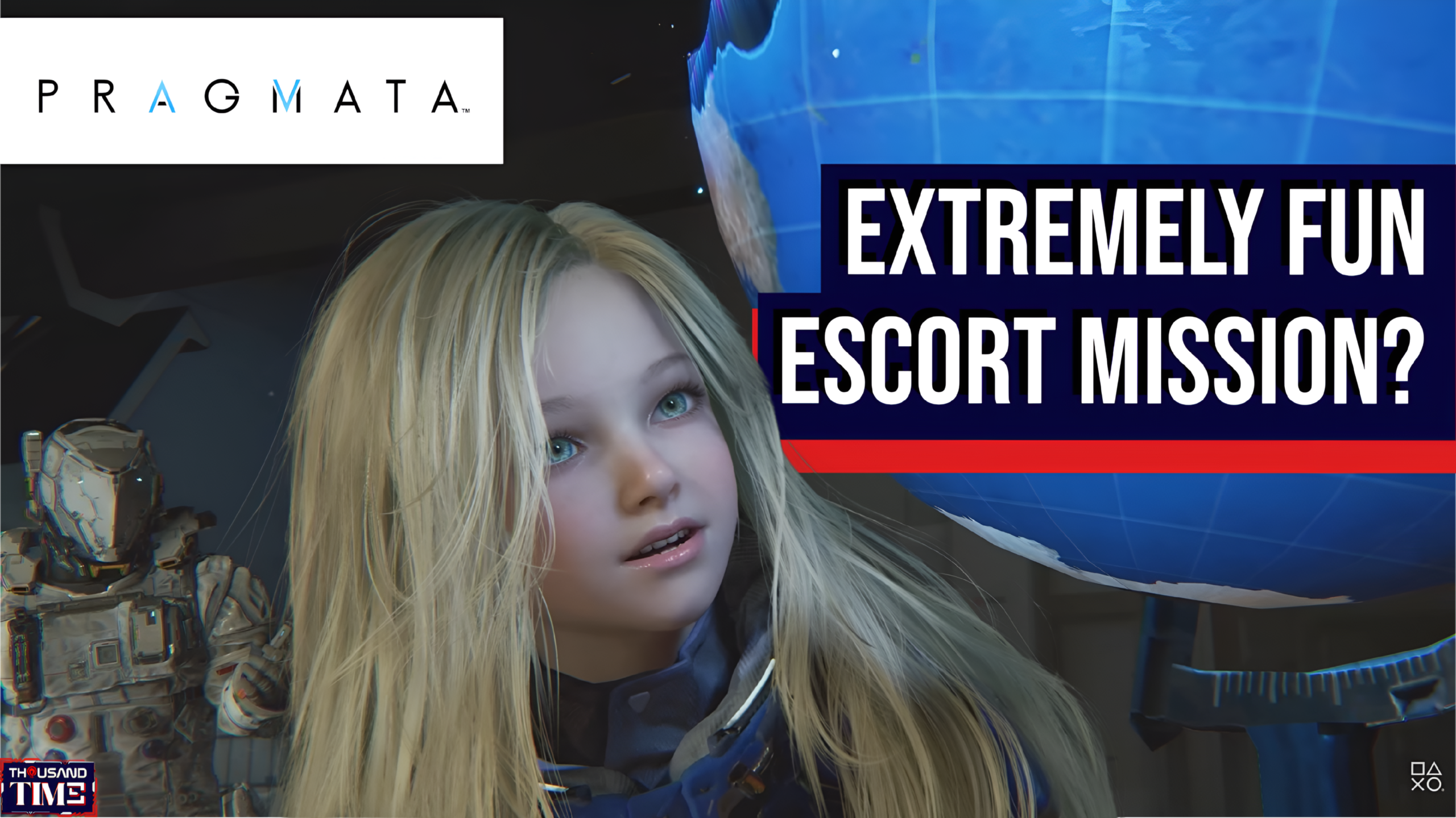
Why Pragmata Makes Escort Missions Actually Fun