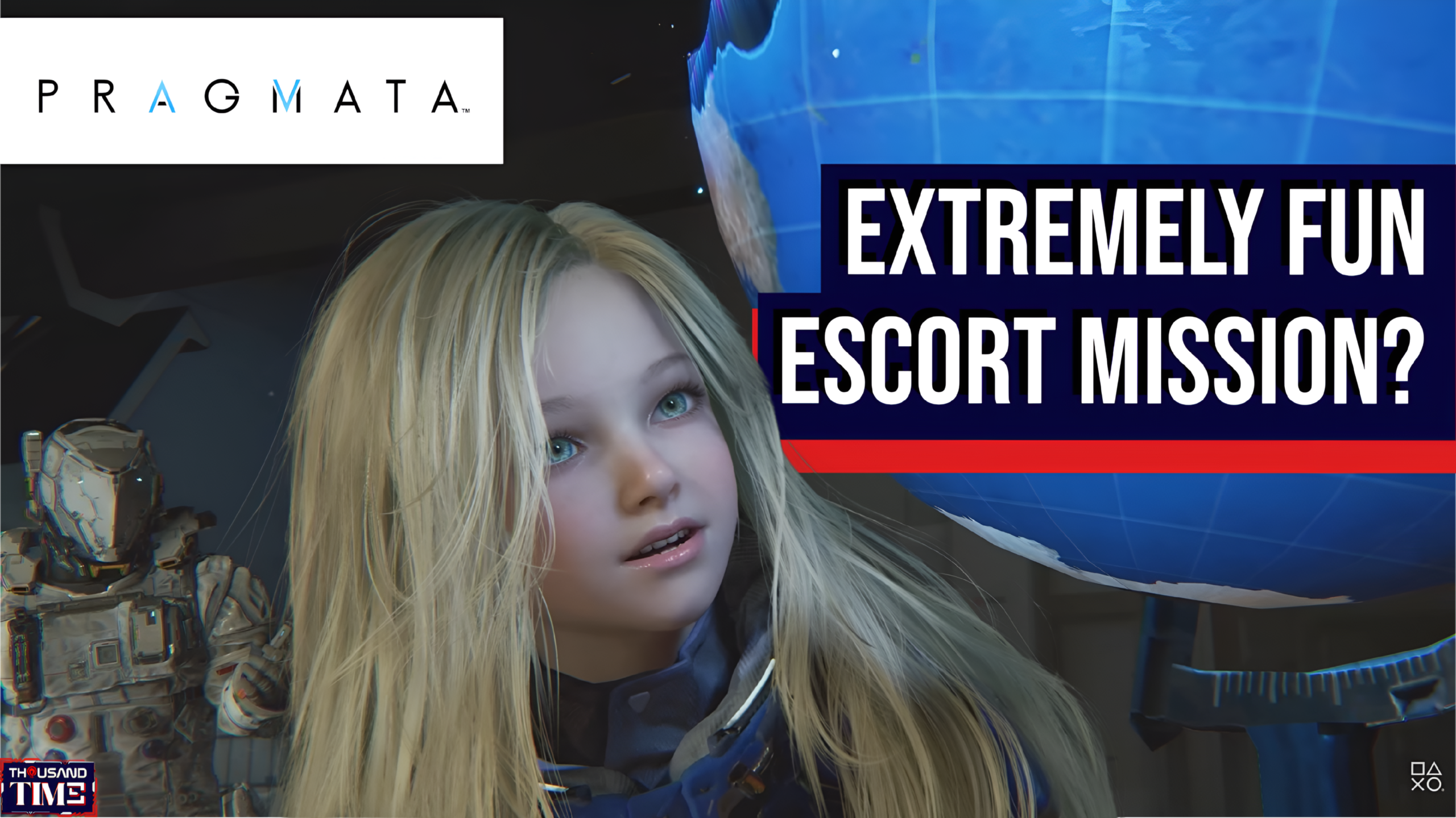
Capcom’s mysterious sci-fi thriller isn’t just about protecting a child — it’s turning gaming’s most hated mechanic into a symbiotic combat loop.
You know the feeling. The mission briefing ends. A cutscene plays. And there she is — some wide-eyed civilian, some trembling scientist, some small and impossibly fragile person who now, for the next forty-five minutes, is your entire problem. The escort mission has begun. Somewhere, a controller tightens in someone’s hands.
It’s one of gaming’s most reliable sources of collective suffering. And it has been, almost without interruption, for thirty years.
Which makes Pragmata a genuinely interesting thing to watch. Capcom’s long-delayed, enigmatic sci-fi title — finally arriving April 17, 2026, after a development journey that somehow began during the PS5 reveal event — is built entirely around the premise of protecting a child. A small android girl named Diana. On the moon. Among rogue machines. And somehow, everything we’ve seen suggests that Pragmata gameplay escort mission mechanics won’t feel like a chore. They might actually feel like the point.
The Mechanic Nobody Asked For (Again and Again)
The frustration isn’t really about protecting someone. Protection, as a concept, maps cleanly onto real human instinct. We understand it. We feel it. It’s why games like The Last of Us work on an emotional level that action games rarely reach — because Joel’s relationship with Ellie carries genuine weight.
The problem is the implementation. Classic escort missions took a straightforward concept and turned it into a battle against the game’s own systems. Your NPC companion would walk directly into enemy fire. They’d get stuck on corners. They’d panic and sprint the wrong direction at precisely the worst moment. The game gave you a person to protect and then made that person their own worst enemy. The frustration wasn’t about the stakes — it was about the AI turning your empathy into a liability.
Protection became babysitting. And nobody wants to babysit in a game they paid sixty dollars for.
Diana Doesn’t Need Saving. She’s the Weapon.
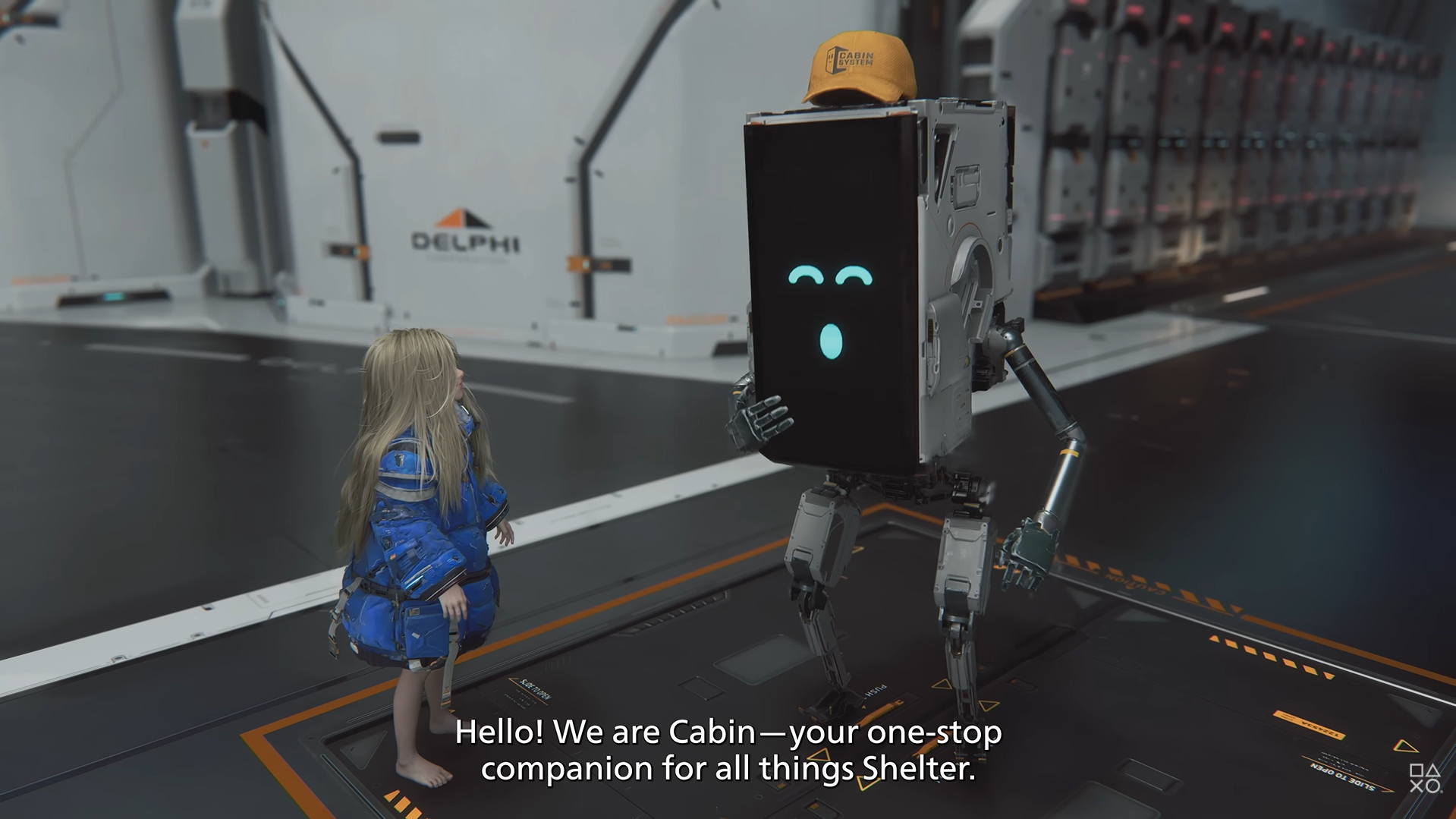
Diana doesn’t passively trail behind her protector — she actively hacks enemies, exposing their weak spots for Hugh to exploit, and she manipulates locked systems and closed doors that would otherwise block progress entirely.
That’s a fundamentally different contract between player and companion. Diana isn’t an objective to keep alive. She’s half the arsenal.
Hugh often carries Diana on his back during combat, shielding her from direct fire while she simultaneously works the battlefield from that position
which sounds like a small design decision until you think about what it actually does. It fuses the two characters physically. You can’t abandon her, and you can’t resent her, because she’s literally attached to the thing you’re already doing. The escort becomes the movement system. The protection becomes posture.
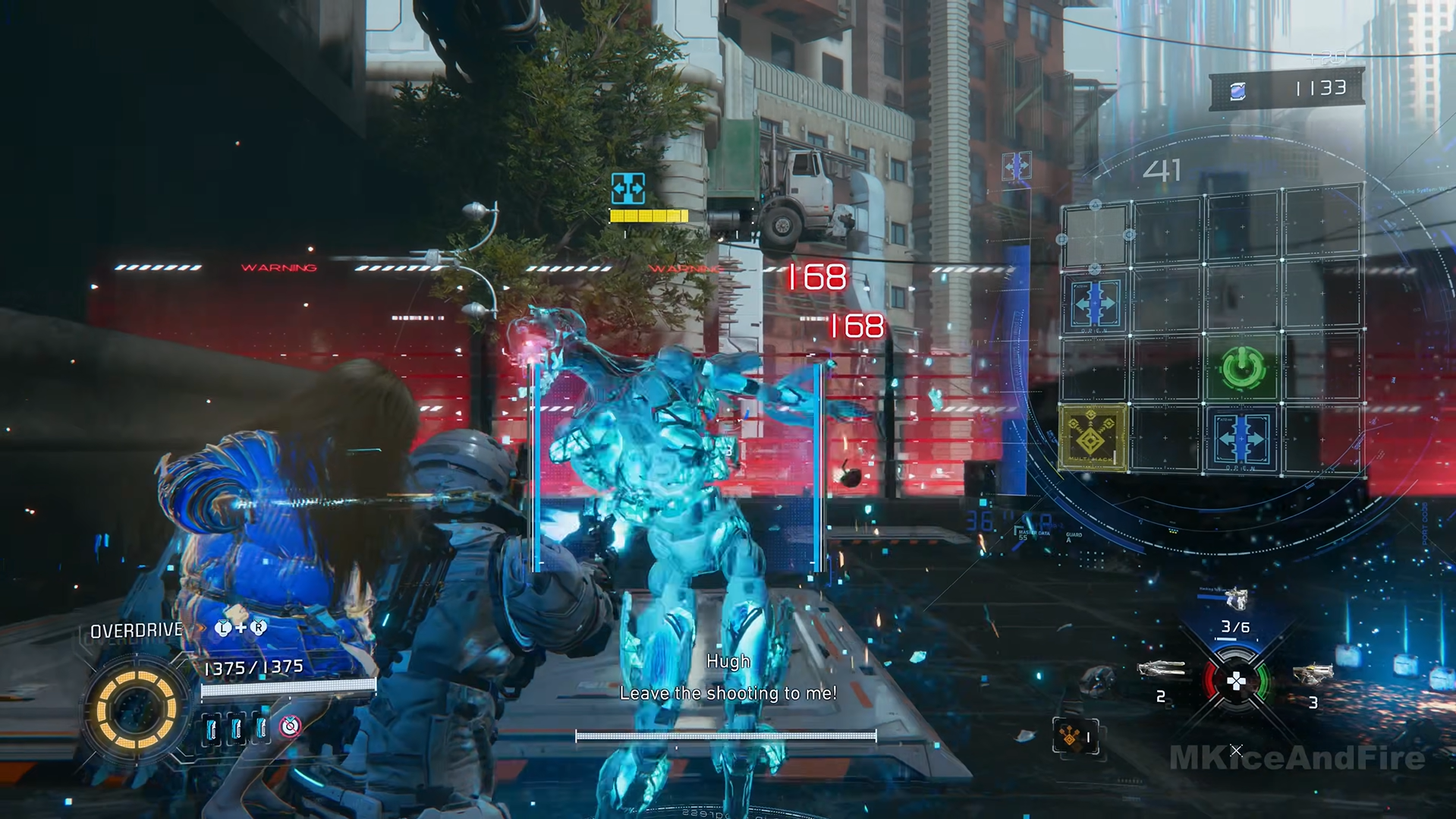
The design asks players to guide both Hugh and Diana simultaneously — one shooting and moving, the other hacking — in a system Capcom describes as pushing “your brain to its limits.” That dual-attention loop is closer in spirit to something like Brothers: A Tale of Two Sons than anything in the escort mission tradition. Two minds, one player, one fluid body.
The contrast with the classic model is stark. In a traditional escort mission, the NPC’s incompetence creates difficulty. In Pragmata, Diana’s competence creates complexity. Those are completely different emotional textures. One produces frustration. The other produces flow.
Capcom Has Been Building to This
It would be easy to frame Pragmata as a bold experiment. It is probably more accurate to call it a conclusion.
Capcom has spent the better part of a decade quietly reworking how companion AI feels to play with. The clearest case study is Ashley in Resident Evil 4. In the 2005 original, Ashley was the escort mission in its most distilled form — slow, vulnerable, prone to being grabbed by enemies while you were occupied six feet away. She was genuinely stressful in ways that felt punishing rather than exciting. Players tolerated her because the rest of the game was exceptional. They didn’t love the dynamic.
The 2023 RE4 Remake adjusted this without abandoning it. Ashley became more reactive, better at self-preservation, more naturally integrated into the tension of each encounter. She still needed protecting, but the friction had been sanded down. The relationship felt less adversarial between player and game design. Fans noticed.
You can trace a similar evolution through the Monster Hunter series, where Palicoes — your feline companions — shifted across entries from novelty decoration to genuinely useful combat support. Capcom kept testing the edges of what a companion could be, kept listening to how players responded.
Pragmata is the studio’s fullest expression of that research so far: two protagonists whose abilities are explicitly designed to be intertwined, where teamwork isn’t a narrative suggestion but a mechanical requirement at every step.
The Emotional Math of Useful Companions
There’s a design principle buried somewhere in all of this that the industry has been circling for years: players are more likely to emotionally invest in a companion they depend on than one they simply protect.
God of War (2018) understood this instinctively. Atreus begins as a burden — a child you’re escorting through brutal Norse wilderness — and gradually reveals himself as a force multiplier. His arrows interrupt enemies, reveal secrets, and shift the rhythm of combat. The moment players started using him strategically rather than managing him protectively was the moment the relationship clicked. You went from babysitter to partner, and the emotional stakes followed.
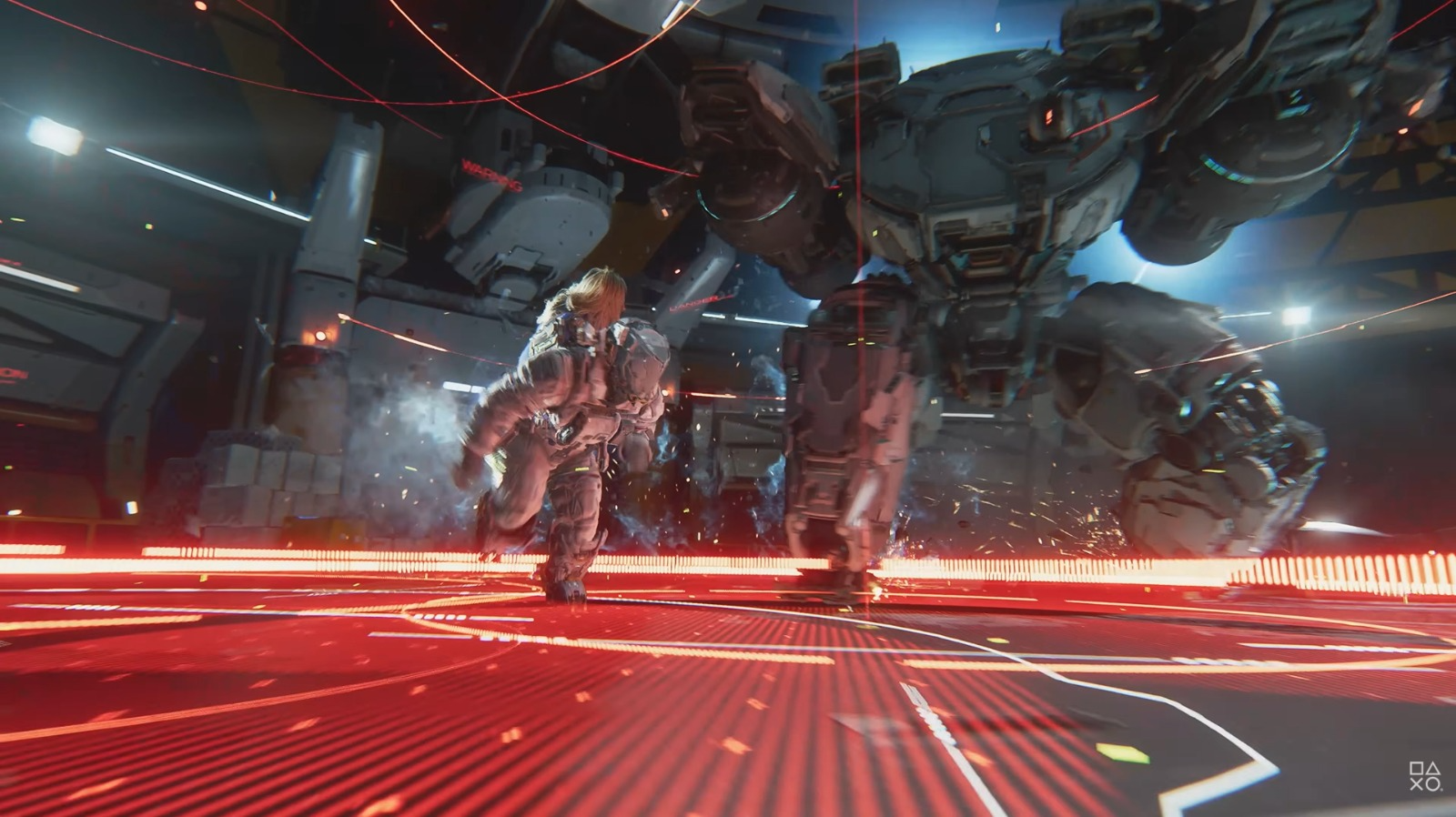
Pragmata seems to be arriving at the same destination via a different route. Diana’s role as a hacker means her value is legible and constant. She isn’t occasionally useful — she’s structurally necessary. Without her, locked systems stay locked, enemy weak points stay hidden, and Hugh’s combat options narrow considerably. The relationship is symbiotic by architecture, not sentiment.
And here’s the part that matters: mechanics create feelings. When Diana solves a problem you couldn’t solve alone, you don’t just appreciate the design. You feel something toward her. That’s not accidental. That’s the entire project.
A Long Time Coming
It’s worth noting — gently — that Pragmata has been a long time arriving. The game was announced during the original PS5 reveal in 2020, delayed from its initial 2022 target to 2023, and then delayed again indefinitely before a 2026 release date was finally confirmed at The Game Awards 2025. The wait has been unusual even by industry standards.
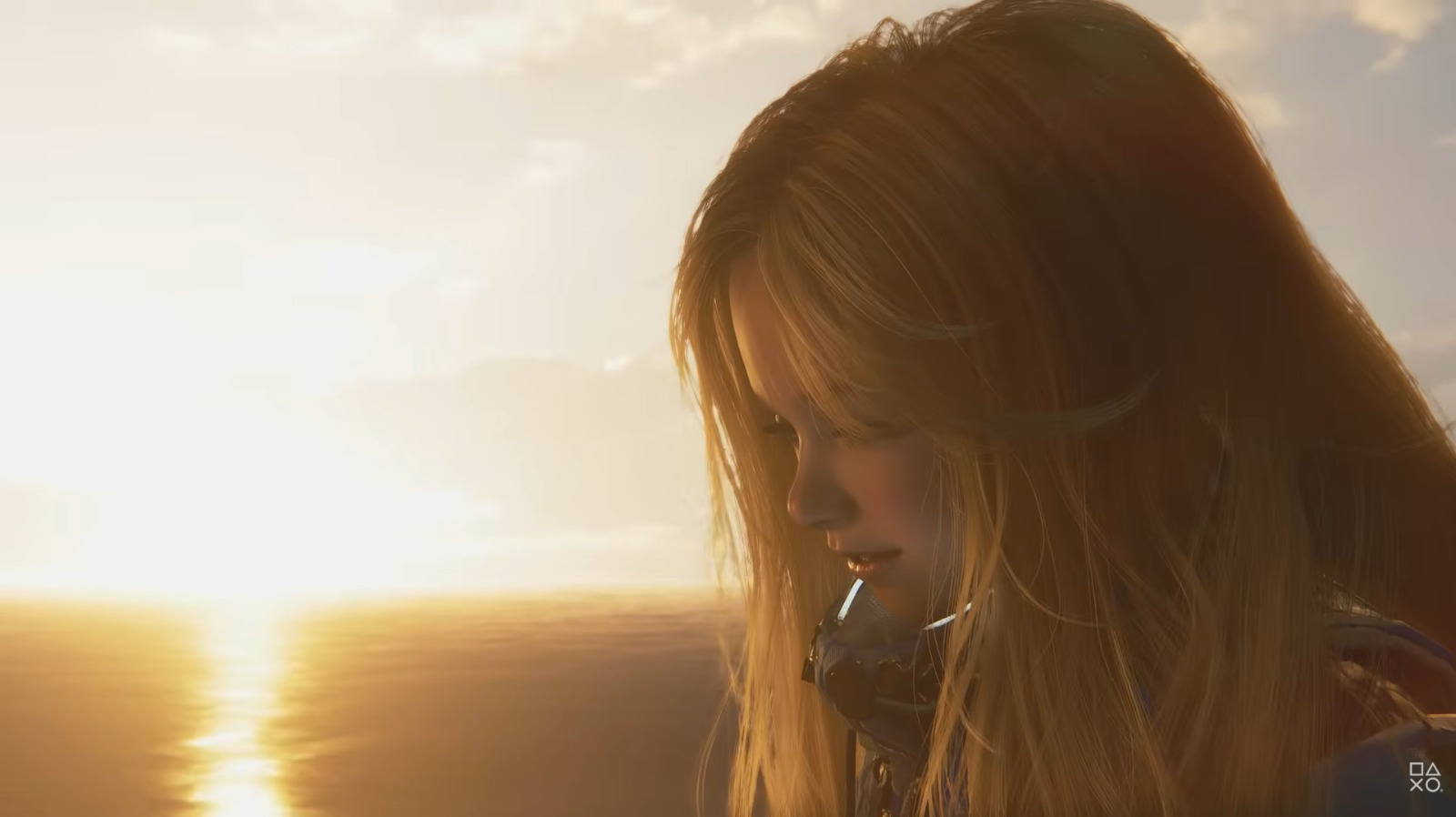
But the early signs from its demo are striking. Player response has been overwhelmingly positive — 97% of early Steam reviews suggest that whatever Capcom spent those extra years refining, it landed. The demo exists. People have played it. And the reaction is not the cautious optimism that often greets long-delayed games. It’s something closer to relief.
The game seems to be what it promised to be.
Which means the escort mission — that most reviled of gaming traditions — might be due for a genuine rehabilitation. Not by abandoning the idea of protection, but by making protection feel mutual.
Pragmata isn’t asking you to babysit. It’s asking you to fight in tandem. That’s a different game entirely.
Thousandtime Thoughts
Escort missions failed for a simple reason: the AI was never good enough to justify the emotional ask. Players were told to care about a character whose behavior made that care feel like a punishment.
What’s changed isn’t sentiment — it’s capability. Better pathfinding, smarter companion logic, and more deliberate mechanical design have finally caught up to what developers were trying to achieve emotionally all along.
Capcom isn’t reinventing the companion dynamic out of creative ambition alone. They’re doing it because the tools now exist to do it properly. Pragmata is less a bold artistic statement than a straightforward answer to a technical problem that took thirty years to solve.
Content you might like after reading this
Belmont’s Curse: The True Origin…

Why Pokémon Pokopia Sold 2.2…
Rinthine Game Early Access: Survival…
Darwin’s Paradox Review: Is the…