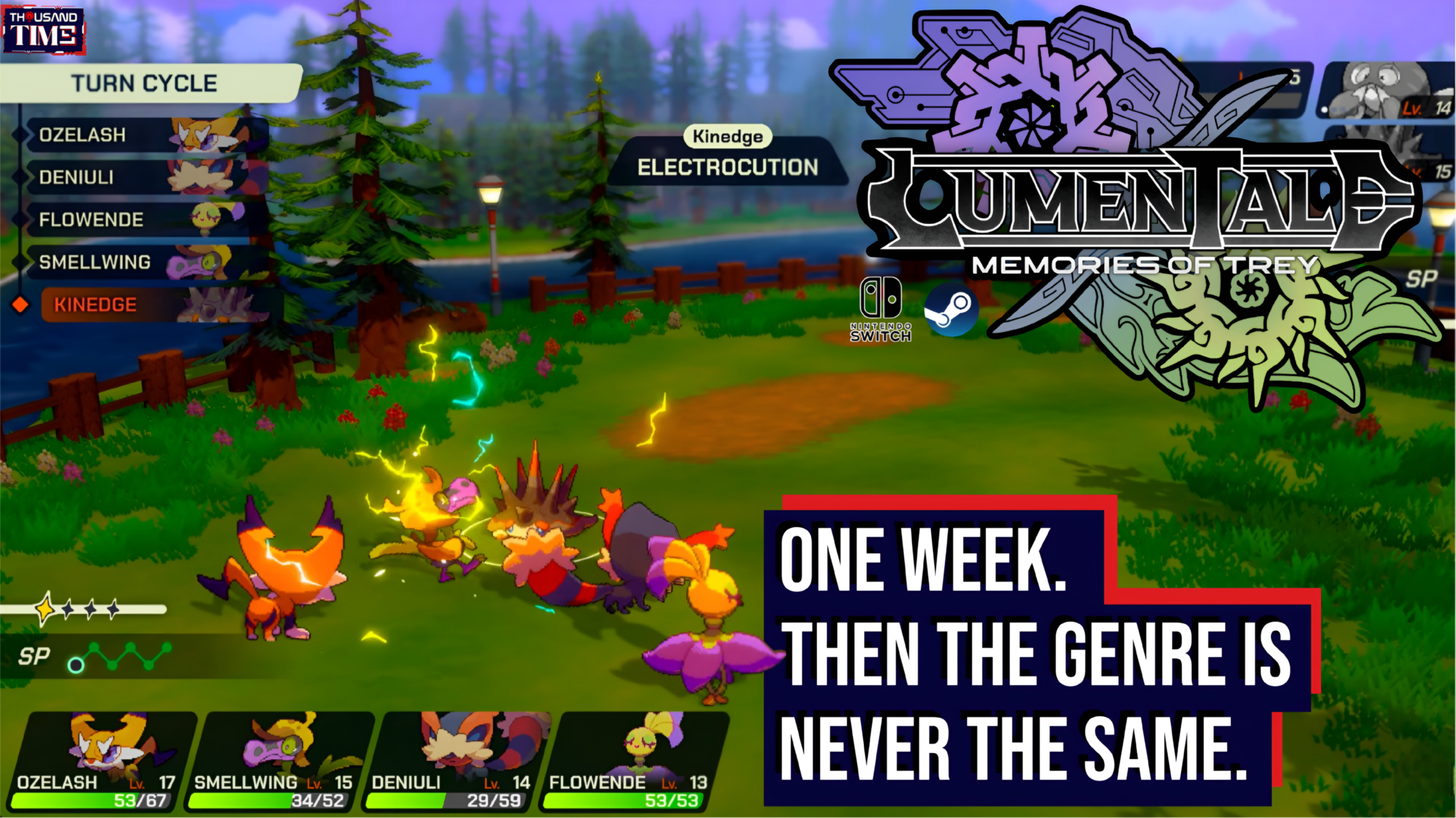
Beehive Studios isn’t just cashing in on nostalgia. They are actively rewriting the rules of turn-based creature collection.
There is a particular kind of disappointment that only veteran players understand. You boot up a new creature-catching game with genuine excitement, and within the first hour, the muscle memory kicks in. The silent kid protagonist nods their way through a cheerful opening cutscene. A professor hands you a starter. You grind through tall grass. You figure out that the fire type loses to water. The loop begins — and it is exactly the loop you have played a hundred times before.
The LumenTale: Memories of Trey vs Pokémon differences are not just aesthetic or cosmetic. Developed by Beehive Studios, the Italian indie team previously known for the fan-made Xenoverse: Per Aspera Ad Astra, and published by Team17, LumenTale arrives on Steam and Nintendo Switch on May 26, 2026 — and it arrives with a specific argument to make. That argument is this: the creature-catching genre has been running on autopilot for years, and someone finally decided to do something about it.
When the Type Chart Has Feelings
The most foundational mechanic in any monster-taming game is the elemental type system. Fire beats grass. Water beats fire. Ice beats dragon. Most players have this hierarchy so deeply memorized that it no longer constitutes strategy — it is reflex. You look at the opponent’s type, you select the counter, you win. Tactical depth is simulated rather than earned.
LumenTale approaches this differently — and the distinction matters. The game’s roughly 140 Animon species are distributed across 13 elemental types, each defined not by natural logic but by the emotion they are capable of evoking in people. Alongside the expected elemental anchors — fire, ice, electric — the roster expands into more abstract territory: Virus, Anomalous, and Chakra types that resist easy categorization. These are not elements derived from a periodic table. They are states of being.
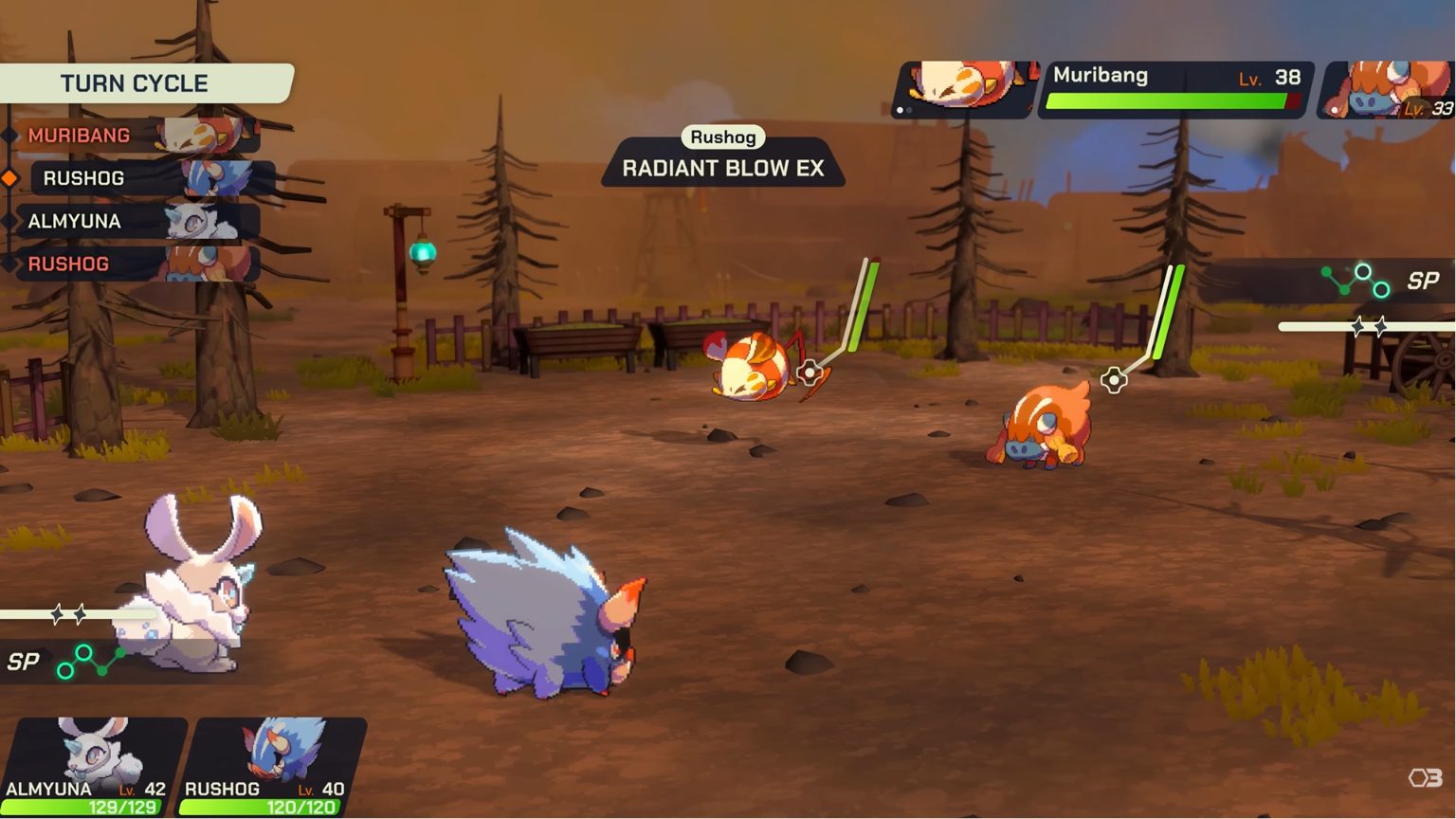
This is not a small distinction. When a type system is built around emotional resonance rather than physical counters, it changes what the player is actually being asked to understand. You are no longer mapping terrain — you are reading a room. The strategic layer shifts from “what cancels this out” to “what responds to this, and how.” Each Animon is further defined by one of five core battle attributes that determine its combat role, which adds another dimension of team composition that moves the game away from the flat rock-paper-scissors logic that has quietly stagnated the genre.
The combat system also introduces an initiative-based cooldown mechanic: how soon an Animon can act after a move is influenced by the power of that move. More powerful attacks impose longer wait times, forcing players to weigh immediate impact against recovery windows. It is a small thing on paper. In practice, it turns every major battle into a pacing problem as much as a type-matching puzzle. That tension — when to hit hard and when to conserve — is exactly what has been missing from the genre’s mainstream iteration for years.
A Cyborg Who Doesn’t Know Who He Is
The protagonist problem in creature-catching games has always been the same: the player character is a vessel, not a person. They exist to receive the adventure rather than drive it. They smile. They nod. They are handed a map. They do not have an interior life.
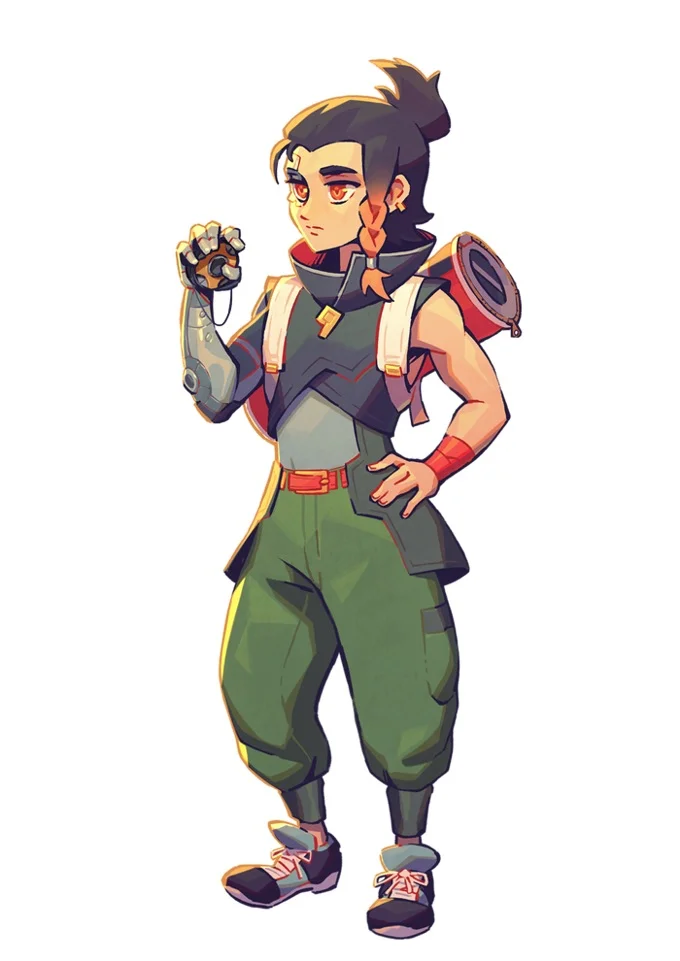
Trey is a cyborg who was found unconscious in the Scarlet Woods by a young inventor named Ales, who brought him to the laboratory of Dr. Kapan — one of Talea’s leading researchers in Animon science. He has no memories of who he was or where he came from. The journey to become a Lumen — the world’s term for a creature-tamer — is not a coming-of-age story. It is an excavation. He is not earning badges. He is trying to reconstruct himself.
The world of Talea has its own fractured history to mirror his: a former empire split between the northern hemisphere of Logos and the southern hemisphere of Mythos, two worldviews locked in a civil war that broke out when the Emperor died without naming a successor. Ancient ruin and living culture coexist uneasily. The lore is not flavor text — it is context. A world torn between reason and myth, hosting a protagonist who has lost access to both, is the kind of thematic coherence that most games in this genre never come close to achieving.
The game features multiple endings, with choices that actually matter to how the story resolves. Which means the player is not just building a collection. They are building a version of events. There is moral weight attached to the adventure in a way that silent badge-collection tours cannot replicate — and that weight is earned through actual narrative infrastructure, not just dialogue choices bolted onto a conventional structure.
None of this is incidental to the gameplay. When the person at the center of the story is a fractured consciousness searching for coherence, the act of forming bonds with creatures — of assembling a team that represents trust rather than just power — takes on a meaning it otherwise would not have.
Your Creatures Don’t Live in a Spreadsheet
Here is the quiet cruelty at the heart of most creature-catching games: you catch hundreds of them, and you interact with six. The rest disappear into a storage interface — a digital warehouse organized by number. They are inventory. The implied relationship between player and creature, the one the genre trades heavily on for its emotional marketing, dissolves the moment you exceed party size.
The Anispace in LumenTale is a dedicated zone separate from the main world where captured Animon reside and train — a customizable space that players can furnish, design, and shape into something that feels genuinely inhabited. Officially described as “a place that exists and doesn’t exist at the same time,” it operates somewhere between a home base and a pocket dimension, and its purpose is specific: to ensure that every creature you catch has somewhere meaningful to be.
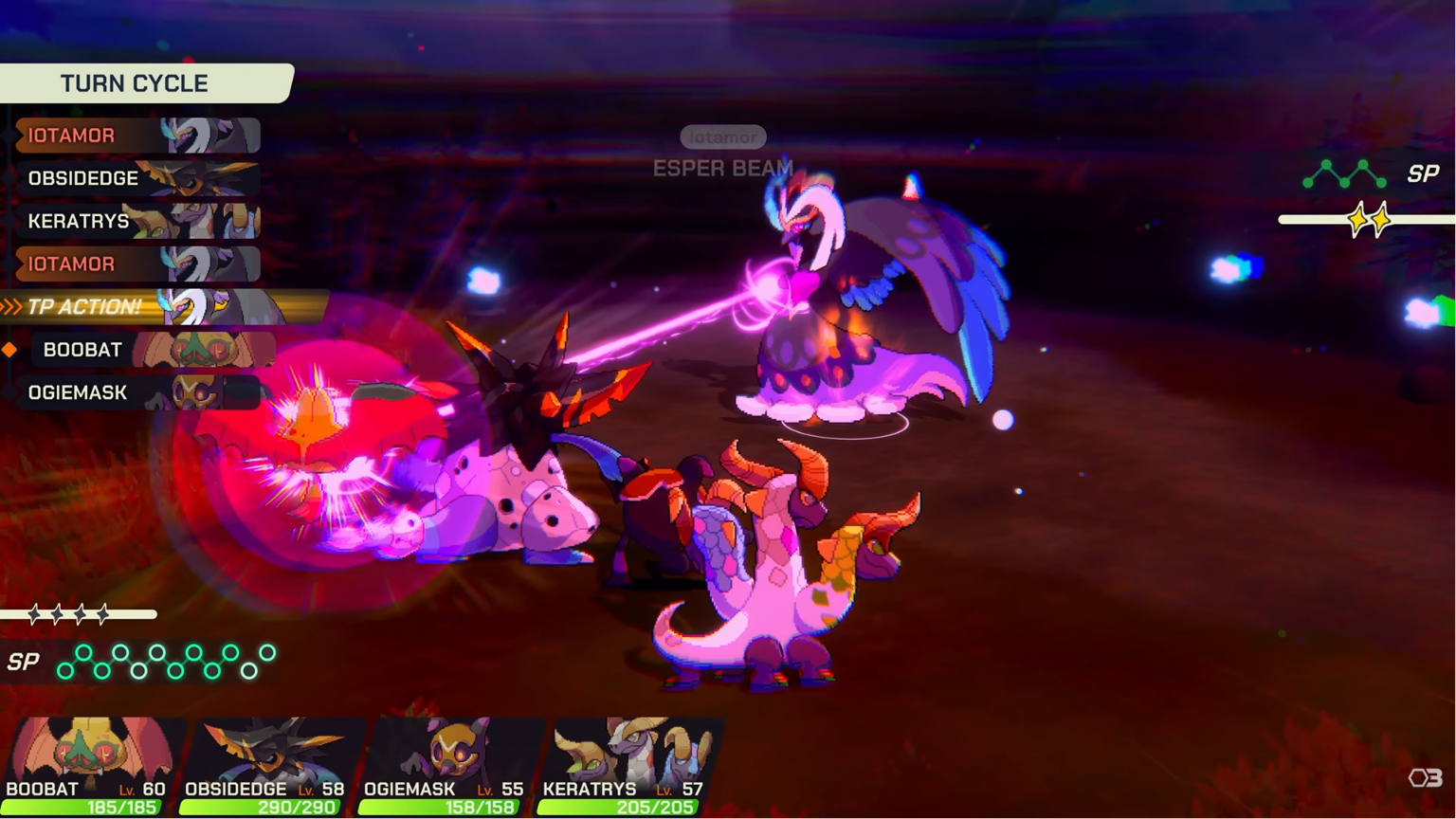
Furniture can be crafted or purchased from vendors throughout Talea, giving players the ability to build distinct rooms and environments within the Anispace. The Animon that live there are not locked in stasis. They are present. This transforms the collection from an archive into something closer to a community — which changes the psychology of catching entirely.
When every capture has a place to go, the act of capturing carries a different weight. You are not hoarding. You are building. The Anispace gives intrinsic value to your entire roster, not just the six creatures currently strong enough to earn a spot in your active party. It is a system designed around attachment rather than optimization — and that distinction is the difference between a game that uses emotion as marketing and one that actually earns it through design.
The Genre’s Disillusioned Veterans Have Been Waiting
LumenTale: Memories of Trey is not trying to appeal to everyone. It is clearly built for a specific player: someone who grew up with creature-catching games, who still cares about the genre’s potential, and who has been quietly losing faith in the mainstream’s willingness to take any real creative risk. The Kickstarter campaign raised €160,948 from nearly 3,000 backers — a number that tells you something about who was waiting for this.
Beehive has also committed to long-term post-launch support, with seasonal events and additional Animon planned for after release, suggesting this is a game designed to grow rather than to ship and retreat. That matters in a space where the dominant franchise has often treated post-launch content as an afterthought.
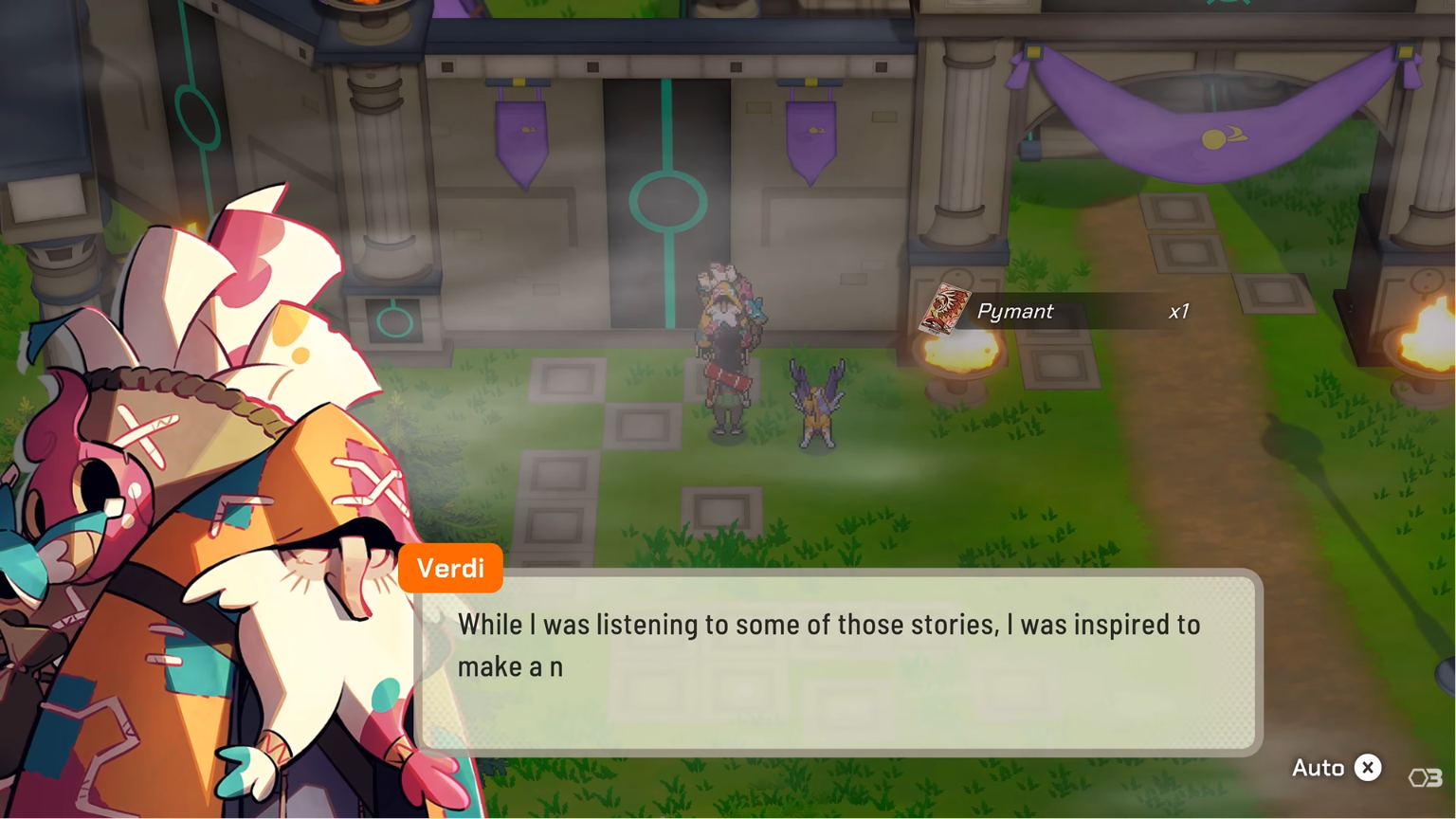
The honest question this game asks is not whether it can compete commercially with the genre’s giants. It cannot, and it was never trying to. The question is whether an independent studio — operating on a fraction of the budget, with no billion-dollar legacy to coast on — can build something that takes the form more seriously than the form’s biggest players currently do. Based on everything in front of us, the answer appears to be yes.
Thousandtime Thoughts
There is a convenient assumption in the games industry — that mechanical conservatism in creature-catching is a reasonable commercial strategy. Players know what they want. Players come back for what they know. Why complicate it?
What Beehive Studios makes visible, simply by existing, is that this framing has always been a choice rather than a constraint. The tools for more ambitious design have always been available. The genre has never been too complex to evolve — the appetite for evolution has just been inconvenient for studios whose market dominance depends on friction-free familiarity.
An Italian indie team, funded by fewer than three thousand people, has shipped a creature-catching game with emotional type systems, a protagonist with actual interiority, and a living space for your collected creatures. They did this without a franchise, without a legacy install base, and without a marketing budget that could paper over the gaps.
Content you might like after reading this
inKonbini: The Cozy Game That…
Scramble Knights Royale Explained: The…
Why Pragmata Makes Escort Missions…
Belmont’s Curse: The True Origin…
Rinthine Game Early Access: Survival…