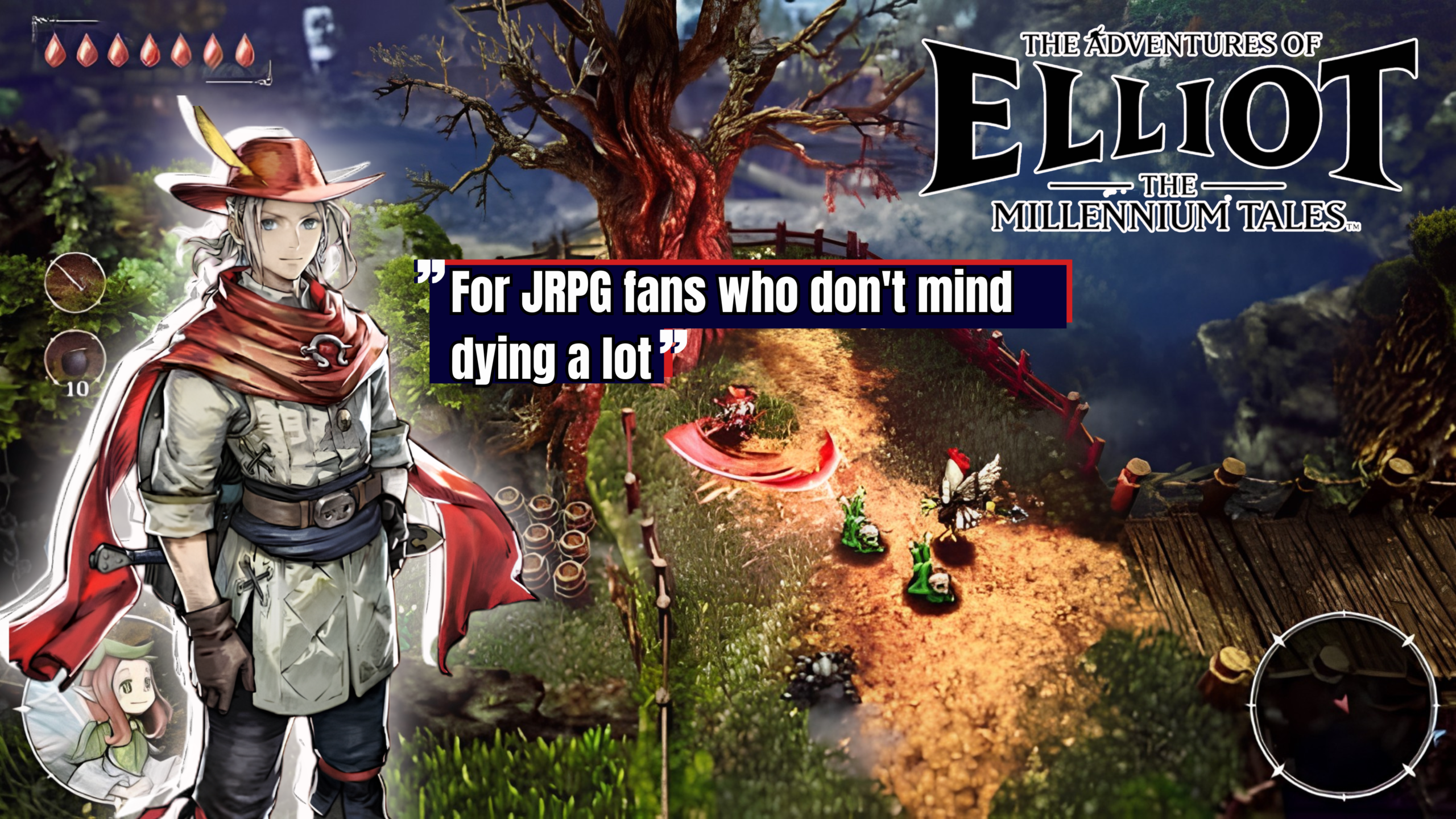
It bills itself as a cozy pixel-art escape, but unexpected difficulty spikes might disrupt your relaxing weekend.
There’s a genre of video game built for exactly one purpose: filling the background of an evening when your brain has already clocked out for the day. Open a map, wander somewhere pretty, half-listen to a podcast, repeat. Call it the podcast game — a category defined less by mechanics than by mood, and one that’s become a genuinely reliable growth area in an industry increasingly interested in keeping players around rather than testing them.
Is The Adventures of Elliot: The Millennium Tales worth it for chill gamers hoping for exactly that kind of evening? On paper, absolutely. This is a gorgeous HD-2D adventure from the Square Enix team behind Octopath Traveler I-II and Triangle Strategy, and in every trailer and screenshot it looks like precisely the game you’d want humming quietly in the background of a low-effort Saturday. What the marketing doesn’t quite prepare you for is a difficulty curve that occasionally demands your full, thumb-aching attention.
That gap — between how a game presents itself and what it actually asks of you — is worth sitting with. It says something about the promises “cozy” has started making that game design doesn’t always keep.
For what it’s worth, the reviews have landed favorably overall, with critics broadly recommending the game and praising its visuals and exploration. None of that is in dispute here. What’s more interesting is the specific shape of the friction underneath all that polish — the parts of the experience that quietly contradict the “chill” framing the marketing leans on.
The Softest Rules in Modern JRPGs
Elliot, the game’s title adventurer, spends four separate historical eras chasing a curse and a doorway through time to save his kingdom. None of that matters nearly as much as how loosely the game holds you while you do it.
There’s no aggressive quest tracker screaming at you to hurry up. The overworld rewards aimless wandering — chests, cats, hidden shrines, stray upgrades — with the same generosity whether you’re following the main story or ignoring it entirely for an hour to go pet things. The game’s Magicite system, which lets you customize Elliot’s weapons with modular fragments collected across the world, can be reshuffled at will. There’s no wrong build here, no permanent mistake waiting to punish an experiment. You try a loadout, it doesn’t click, you try another.
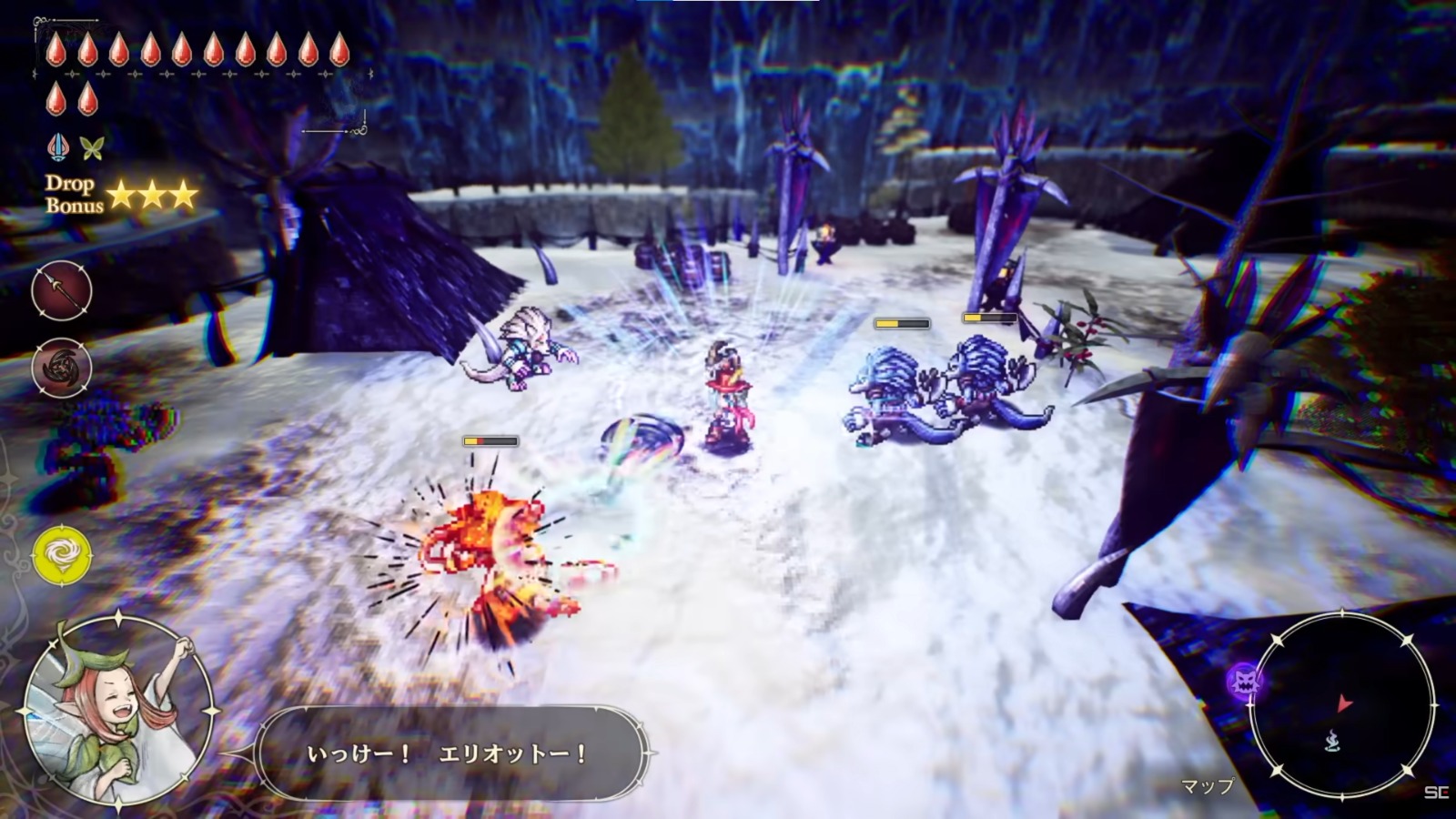
Even death carries less weight than it should. Elliot’s fairy companion, Faie, can revive him on the spot the moment he falls — no reload, no long walk back from a save point, no lost thread of momentum. It’s the single biggest reason the game feels forgiving rather than punishing: failure doesn’t erase your progress.
It just costs you money. And that’s where things get interesting.
Where the Cozy Facade Cracks
Faie’s revival isn’t actually free. Every time she brings Elliot back, she charges him in the game’s currency, and the price climbs with each subsequent death. Die once in a tricky room and it’s a minor toll. Die six times in the same room and you’re staring down a fee that starts to feel almost personal — like your own fairy started running surge pricing on your survival.
It’s a small design choice, but it quietly undercuts the “zero stakes” pitch. There’s no game-over screen waiting to erase your last hour, but there is a slow, escalating tax on your incompetence, and a tax turns out to be its own kind of pressure — just quieter, and better dressed.
You’ll pay it, too, because the platforming here is not cozy-game platforming. Shrines scattered across the overworld — small, self-contained trial rooms not unlike the ones in recent Zelda titles — demand real precision jumps across narrow, floating ledges, with a Shard of Life waiting for anyone who clears them cleanly. Later stretches introduce underwater sections where a mistimed dive costs you air and progress in equal measure. And more than one area asks you to hop across boulders sinking into lava while triumphant battle music tries to convince you this is exhilarating rather than stressful. Critics who spent real time with the game reported dying repeatedly even on its standard difficulty setting — which suggests this isn’t a skill issue unique to any one player. It’s baked into the design.
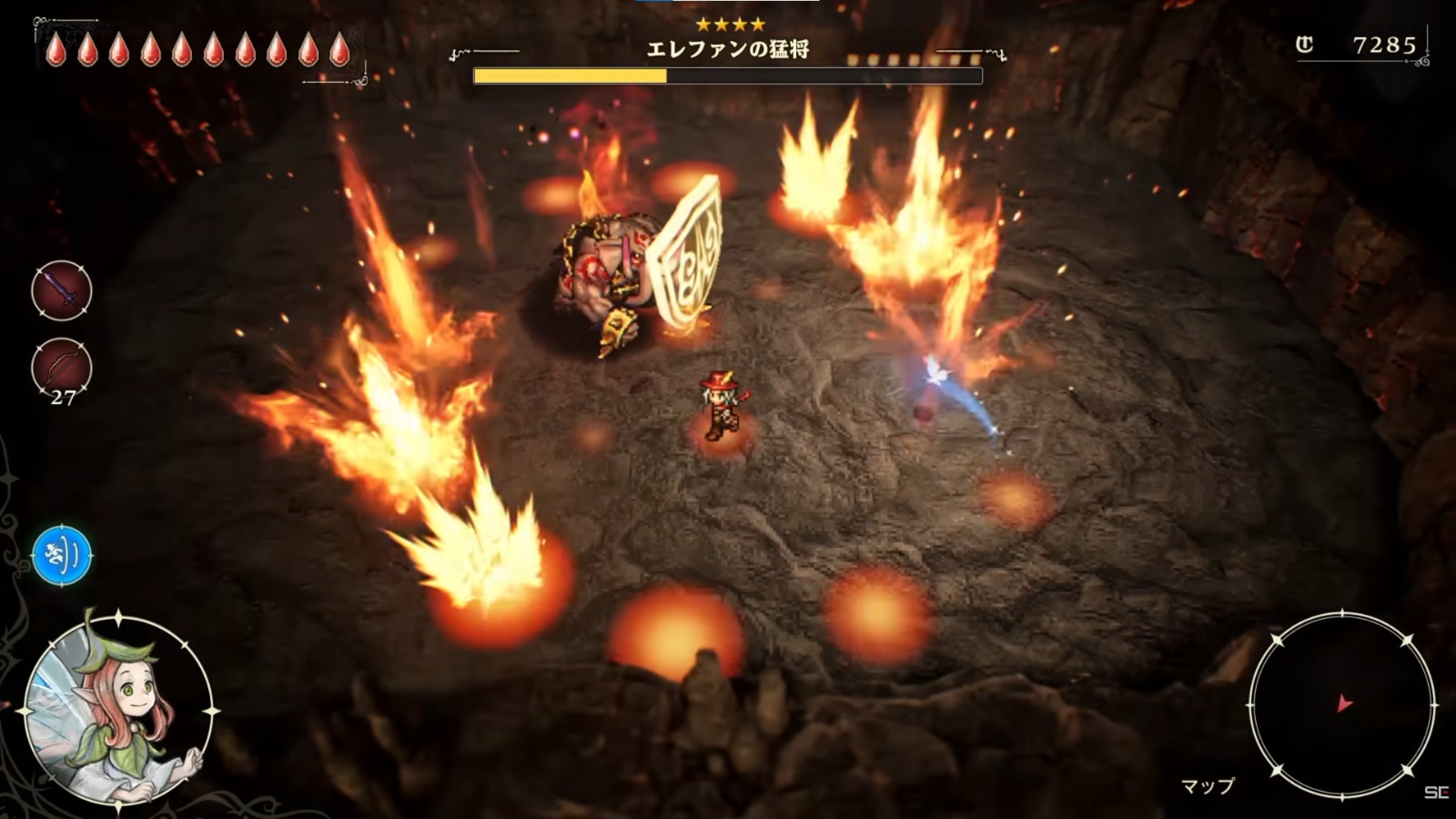
None of it is unfair, exactly. It’s just not what “cozy pixel-art escape” usually promises. Then there’s the talking.
Faie doesn’t just revive Elliot — she narrates him. Hints, reminders, commentary, more hints. Multiple reviewers, independently, reached for the same comparison: she’s this generation’s answer to Navi, the famously naggy fairy guide from Ocarina of Time, minus thirty years of nostalgic goodwill to soften the edges. It’s not that her help isn’t genuinely useful in combat and exploration. It’s that “genuinely useful” and “please, for the love of god, stop talking” can apparently coexist in the same fairy.
To the game’s credit, there’s a settings option to tone her chatter down. That it needs one at all tells you something about how loud a supposedly chill experience can get.
Who Should Actually Playing This
Strip away the marketing and two fairly different players emerge from the reviews.
If you love builds — swapping Magicite combinations, min-maxing a loadout, retrying a tough jump because you know the respawn costs you seconds and not hours — this lands as one of the stronger HD-2D adventures Square Enix has shipped. The exploration is rich, the combat has real depth for a two-button system, and the forgiveness baked into its death mechanic means experimentation rarely feels like a genuine risk.
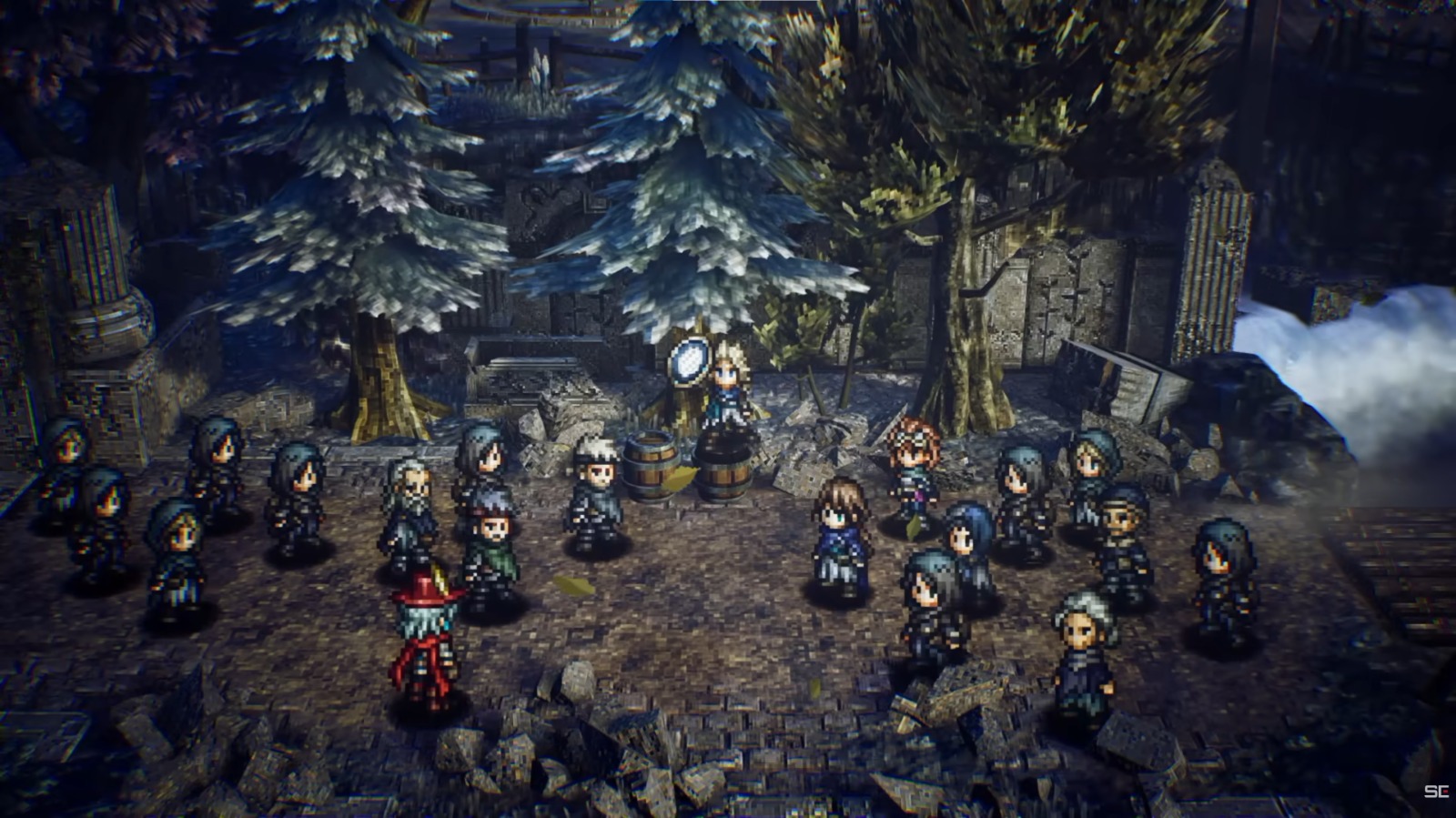
If you wanted something closer to a passive narrative stroll — hands loose on the controller, brain elsewhere, the actual podcast-game experience — the platforming sections and repeated mini-boss gauntlets will yank you right back into focus, whether you want them to or not. The four historical eras, while narratively distinct, reuse a lot of the same map geography and dungeon shapes, which can wear thin fast if you’re not fully engaged with the combat holding it together. It’s a smart structural trick for padding runtime without building four entirely new worlds from scratch, but it also means the wandering — the part that’s supposed to feel meditative — starts to feel a little like retracing your own footsteps by the third era.
“Chill” and “forgiving” turn out to be two different promises. Elliot keeps one of them completely.
Thousandtime Thoughts
We’ve started sorting games by mood board instead of mechanics, and Elliot is a tidy symptom of that. Soft palettes, gentle music, a fairy sidekick — these read as “cozy” the same way a candle reads as “relaxing,” regardless of what’s actually inside it. Difficulty has quietly become an aesthetic judgment instead of a mechanical one.
That’s worth noticing, because it flattens a real distinction. A game can be forgiving without being easy — death without consequence isn’t the same as death without difficulty — and marketing has gotten very good at letting players assume the two are interchangeable. Elliot isn’t dishonest about this so much as it’s overconfident, trusting its visual language to do the persuading that its actual design can’t fully back up.
So here’s the question worth sitting with: if you die ten times clearing a single room, does it matter that each death cost zero seconds to undo? At some point, the count starts to feel like the price, whatever the load screen says.
Content you might like after reading this

Persona 6: Vtuber Theory and…
LumenTale vs Pokémon: How It…

inKonbini: The Cozy Game That…
Scramble Knights Royale Explained: The…

Why Pragmata Makes Escort Missions…

Belmont’s Curse: The True Origin…
Rinthine Game Early Access: Survival…